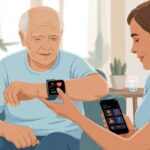
Let’s be real—keeping tabs on our health isn’t always as easy as it sounds, especially when the toughest thing we’ve done all day is search for our glasses. But what if there’s a gadget that helps us stay active, sleep a bit better, and even gives us a virtual high-five when we hit our step goal?
A fitness tracker gives us a simple way to monitor our health, daily movement, and even our heart rate so we can feel more confident and independent.

Some folks think fitness trackers are just for tech-obsessed teens or marathoners, but honestly, these gadgets can be a game-changer for seniors. The displays are clear, the buttons are simple, and those gentle reminders? Surprisingly helpful.
We can track steps, check our sleep, and get a better sense of our health without a medical degree. Some trackers even buzz us if our heart rate looks off.
We don’t need to become fitness gurus overnight. Getting the hang of a fitness tracker is about as tough as checking the weather—except now, our wrist does the talking.
If we’re ready to add a digital cheerleader to our lives, let’s see how a fitness tracker can make things a little more fun, a bit healthier, and maybe even spark some friendly competition.
Understanding Fitness Trackers for Elderly Care
Fitness trackers aren’t just trendy wristbands counting steps. They give us a peek into our health by tracking activity, sleep, and other daily stats.
With a little patience, these wearables can become one of our secret weapons for elderly care.
What Is a Fitness Tracker and How Does It Work?
Think of a fitness tracker as that friend who always remembers the details. We wear these gadgets on our wrist, just like a watch.
They track things like steps, heart rate, sleep patterns, and even how many times we sneak to the fridge at night.
Most fitness trackers use sensors for counting steps and checking heart rate. Some of the fancier ones—hello, smartwatches—do even more by alerting us to calls, tracking workouts, and reminding us to move if we’ve been stuck in a chair for a while.
These devices connect to our phones or tablets with Bluetooth. That means we can see our stats in an easy-to-read app.
The best devices for seniors are usually simple to set up and use, at least according to Consumer Reports.
Benefits of Wearable Devices for Seniors
Let’s admit it: sometimes we need a nudge to keep moving. Fitness trackers can motivate us to stay active by setting step goals and celebrating with a buzz when we reach them.
Some trackers send reminders so we don’t forget to take a walk or stretch. Staying active isn’t just for bragging rights at dinner.
We can monitor our heart rate, see calories burned, and check our sleep quality. This helps us and our caregivers notice changes early, which lets us stay independent.
Devices like smartwatches track health conditions over time, which is great for seniors who want to keep an eye on things, as Discovery at Home points out.
With these gadgets, tracking health doesn’t have to feel like a chore. It’s like having a cheerleader on our wrist—minus the pom-poms.
Setting Up a Fitness Tracker for Older Adults
Setting up a fitness tracker for seniors might sound complicated, but with the right device and a bit of patience, we can make it pretty painless.
Let’s talk about picking the right tracker and making setup as smooth as possible.
Choosing the Right Device for Seniors
Picking a fitness tracker shouldn’t feel like rocket science. For seniors, comfort, big displays, and easy controls are what matter.
Fitbit and Garmin make models that are simple and easy to read. Devices like the Fitbit Charge 5 or Garmin Vivosmart 5 have big screens and one-button controls, which are perfect for anyone who doesn’t want to squint at tiny text.
Water-resistant trackers are smart, because let’s face it—showers happen. Some models offer fall detection and emergency contacts, which can be a real comfort.
You’ll also find heart rate and step tracking, so we can see our activity levels without running a marathon. If the reviews make your head spin, the Consumer Reports guide for seniors can help.
User-Friendly Setup and Tips
When we open the box, we don’t have to panic at the flashing lights. Most trackers pair with a smartphone app—just follow the prompts and let the device do its thing.
Pick a large font and crank up the contrast so every stat pops, even if we’ve misplaced our glasses. Charging is usually simple—just click the magnetic charger in place.
Remember to enter personal info like age, weight, and step length so the tracker doesn’t think we’re training for the Olympics. Some devices let us sync with family or a caregiver, so our loved ones can keep tabs (or gently nag us).
For a setup walkthrough and some handy tips, the Best Buy fitness tracker guide for seniors is worth a peek.
Core Features That Support Health in Elderly Care
When we use a fitness tracker, it isn’t just a flashy wristband. It actually helps us keep tabs on important health details—like heart rate, sleep, and daily movement.
Let’s check out the features before our step count resets.
Heart Rate Monitoring and Its Benefits
Heart rate monitoring is one of those things we don’t realize we need—until we do. If our heart’s working too hard or not enough, a fitness tracker can buzz us and let us know.
This feature checks our pulse all day, not just after we’ve had our morning coffee. Some trackers even send alerts if our heart rate gets too high or low, even while we’re binge-watching game shows.
That means we can spot issues early and maybe skip an extra trip to the doctor. With regular heart rate data, we can see trends over time.
This lets us talk to our doctor with real numbers, not just “it felt weird.” Many senior-friendly devices throw in perks like ECG recording or blood oxygen tracking, so we can keep an even closer eye on things.
Sleep Tracking for Restful Nights
Tracking sleep feels like hiring a tiny scientist to watch us snore—without the embarrassment. Fitness trackers use sensors to measure when we nod off, wake up, and how long we spend in each sleep stage.
If we’re tossing and turning all night, the tracker doesn’t judge—it just nudges us to do better. Comparing our sleep patterns week by week can help us see what works.
Maybe a cup of tea helps, or maybe it’s time to ditch late-night TV. Understanding our sleep cycles can even warn us about bigger issues, like sleep apnea.
Better sleep means more energy during the day. Honestly, that’s a win, even if we do go to bed at 8:00.
Real-Time Monitoring of Activity
A fitness tracker won’t yell at us to walk (yet), but it cheers us on as we rack up steps and minutes of movement. Real-time tracking puts our steps, calories, and distance right on our wrist.
It’s not just for showing off to the grandkids—it helps us stay motivated and set daily goals. We can log different activities, from walking to gardening.
Some trackers remind us to move if we’ve been sitting too long—so long, couch potato days. Special features like easy-to-read screens and fall detection make these gadgets even more useful for seniors.
That way, we keep active and can call for help if we take a tumble. Sometimes, technology really does have our back.
Managing Chronic Conditions with Fitness Trackers
Fitness trackers give us more than step counts and gentle reminders. These little gadgets help us keep an eye on serious health issues like diabetes and high blood pressure, making life a bit easier—and maybe even a little more interesting.
Tracking Diabetes and Glucose Monitoring
For diabetes, tracking blood sugar isn’t exactly thrilling, but it’s important. Some modern fitness trackers can sync with a glucose monitor and give us real-time updates right on our wrist.
Features we might use:
- Continuous glucose monitoring (with compatible devices)
- Alerts for high or low blood sugar, so we can act before things get dicey
- Easy data sharing with our doctor or—let’s be honest—nosy family members
Data can go straight to remote monitoring systems, so our doctor can check in from miles away, not just during the yearly visit. For more info, these ways wearable devices help with chronic conditions are worth a look.
Monitoring Hypertension with Wearables
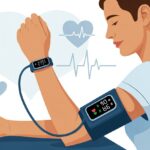
Hypertension doesn’t always wave a big red flag, so we need clever tools to catch it early. Some fitness trackers measure blood pressure, giving us more control and helping us avoid surprise doctor visits.
Key features can include:
- Automatic blood pressure monitoring
- Trend tracking with easy charts (no PhD required)
- Reminders for medication—because who hasn’t forgotten a pill?
Using this data, our health team can keep a closer eye on us without moving in or calling every day. Tools like these provide real-time care for chronic conditions, taking some of the guesswork (and maybe a little stress) out of managing hypertension at home.
Encouraging Physical Activity and Healthy Habits
A fitness tracker isn’t just about counting steps—it’s a sneaky way to nudge us to move more and break old habits. With the right approach, we can turn daily chores into chances for exercise and boost our motivation with simple tracking tools.
Motivation and Behavior Change for Seniors
Let’s be real—sometimes just getting up and moving sounds like a lot. That’s when a fitness tracker steps in as our personal cheerleader. These little gadgets beep, buzz, or even nudge us with reminders if we’ve been sitting too long. There’s nothing quite like a wristwatch tattling on us to get us moving!
Fitness trackers show us actual numbers, not just guesses. We can track steps, distance, and sometimes our heart rate too.
That feedback gives us a gentle nudge when we need it. Watching our progress turns daily activity into something visible—and, honestly, chasing those numbers can be kind of fun.
We can share our victories too. Many trackers connect to apps, letting us challenge friends or grandkids.
Suddenly, a walk around the block feels like a competition. As we tweak our habits, we usually start to feel better and even sleep better, according to research about fitness tracking and older adults.
Setting Achievable Goals
Small goals keep us moving way better than big, intimidating ones. Instead of shooting for 10,000 steps right away, why not start with 2,000 and see how it goes?
Most fitness trackers let us set our own targets and cheer us on when we hit them.
We can use our data to build habits that actually stick. Maybe we notice we always sit before dinner, so we decide to take a short walk while the potatoes boil.
Here’s a simple goal-setting list to try:
- Pick one goal per week.
- Check progress each evening.
- Celebrate every little win, even if it’s just a silly dance in the kitchen.
Tracking these goals with a fitness tracker makes them harder to forget and a lot more fun (especially if it plays music when we win).
With realistic targets and daily feedback, our healthy habits slowly pile up into more active days. One step at a time, right?
Monitoring Mental Health and Well-Being
When we strap on a fitness tracker, we’re doing more than counting steps. These gadgets help us peek into our moods and social lives—no magic required.
Detecting Patterns in Mood and Activity
Sometimes our moods are a total mystery. Fitness trackers can collect clues through activity levels, sleep, and even mood check-ins (if we bother to log something besides “fine”).
By tracking how much we move, how we sleep, and how often we tap “I’m tired,” trackers help us spot changes that might need attention.
If our activity drops or sleep gets restless, the tracker can warn us when our mental health might be slipping. That buzz on the wrist might be annoying, but it’s a nudge to talk with family or our doctor.
We might notice trends over time too. Maybe we walk less on rainy days or feel grumpy after a bad night’s sleep.
These patterns can show us where to make small, positive changes. Using fitness trackers like these gives us real data about how our habits tie into our moods.
Social Engagement Features
Let’s face it—sometimes we need a little push to text the grandkids or show up at bingo night. Many fitness trackers have social engagement tools that help keep us connected, which is great for mental health.
Some trackers let us join walking challenges with friends or family. Who doesn’t want to brag about beating their sister’s step count?
There are also reminders and messaging features, so we can send each other encouraging notes. Think of it as digital nagging—but way friendlier.
These features matter for those of us living alone or feeling isolated. Staying social isn’t just fun—it keeps our brains happy and helps us avoid loneliness.
According to experts, staying in touch with friends and group activities through a fitness tracker can really boost how connected we feel.
Integrating Fitness Trackers with Professional Healthcare
When it comes to our health, we want everything to work together—like peanut butter and jelly, honestly. By combining fitness trackers with healthcare professionals, we add more eyes (and maybe a few robot brains) to our health issues.
This teamwork helps us keep closer tabs on activity, heart rates, and all those numbers our doctors love.
Sharing Data with Healthcare Professionals
A fitness tracker can beep at us for missing step goals, but we need real experts to see that data too.
When we share our tracking info with healthcare professionals, they can spot patterns, catch surprises, and even remind us about the salad we swore we’d eat.
Many trackers sync with health apps or clinic portals so our care team can see steps, heart rate, and even sleep.
Sharing info lets them adjust meds, recommend activities, or nudge us to stay active. It’s almost like bringing our doctor along for our walk—minus the bouncing stethoscope.
Some health systems use special tools like the WATCH checklist to fit trackers right into our care routines.
With good communication, our gadgets and doctors work together to keep us moving.
Remote Patient Monitoring for Seniors
We love nurse visits, but we don’t need a team in the living room every day. With remote patient monitoring, fitness trackers send our health numbers straight to the pros—no one needs to hunt for parking.
Our daily stats—steps, heart rate, blood pressure, even falls—can go right to doctors or nurses. The care team sees real-time alerts and trends, so they can jump in fast if something’s off.
It’s like having a personal health assistant, but one that actually likes math.
Recent studies show this combo helps seniors manage chronic health issues better than just using trackers alone. If something changes, healthcare pros can catch it early and tweak our care plan before we miss a beat.
We get to enjoy our crossword puzzles at home, knowing someone’s keeping an eye on our health from afar—not just at checkups.
Safety, Privacy, and Tech Support for Seniors
Using a fitness tracker or any wearable device means we need to keep our info safe and know what to do if the gadget acts up. Protecting privacy and handling tech hiccups doesn’t have to be scary—just takes a little prep.
Ensuring Data Privacy and Security
Let’s talk about secrets. Our fitness tracker knows a lot—steps, heart rate, sometimes even our location. It’s basically a nosy neighbor on our wrist.
We should make sure only the right people see this info.
Here’s how to protect ourselves:
- Set strong passwords on all connected devices. Please, not “password123” (unless we want to make a hacker’s day).
- Double-check app permissions to limit what the tracker can access. Does it really need our contacts?
- Most trackers let us control who sees our health data. If we don’t want the grandkids seeing our step count, just tweak those privacy settings.
- Choose devices that use encrypted data transmission. Look for brands that mention security features, like medical alert buttons or real-time location tracking—handy for those of us who forget where we left our shoes…or ourselves. Here’s a guide to GPS tracking and privacy controls.
- Keep device software updated. Updates might not make the gadget smarter, but they do keep out the bad guys.
Helpful Tips for Troubleshooting
Let’s be honest—sometimes these gadgets have a mind of their own. If the tracker freezes or claims we ran a marathon while watching TV, troubleshooting comes in handy.
Here’s what actually helps:
- Restart the device—the classic “turn it off and back on again” fixes more than we’d like to admit.
- Check Bluetooth connections. If nothing’s syncing, maybe it’s just napping and needs a little prod.
- For charging problems, try another cable or outlet before blaming the whole house.
- Don’t panic if the app stops working. Updating, or deleting and reinstalling, can work wonders—like a digital cup of coffee for sleepy software.
- If all else fails, most brands offer tech support and guides for seniors. We can find trackers built for us, with support included, as shown in this guide to senior fitness trackers.
It’s totally okay to call the grandkids—but only after we’ve tried turning it off and on at least twice!
Conclusion: Embracing Technology for a Healthier Golden Age
Let’s be honest—our step counts don’t just show up unless we actually get moving. (Or, well, unless someone’s secretly shaking the tracker under the breakfast table. Don’t pretend you haven’t thought about it.)
When we strap on fitness trackers, we basically get personal coaches right on our wrists. They never yell, they’re pretty affordable, and honestly, they don’t care if we’re still lounging in pajamas.
Here’s why you might want to keep a fitness tracker close by:
- Reminders: You’ll never forget to stand up again. Sorry, cozy couch.
- Step Goals: Maybe you’ll compete with the grandkids. Or at least give it a shot.
- Heart and Sleep Tracking: Who doesn’t love a colorful graph now and then?
Staying connected with these gadgets lets us share progress with friends or family. Suddenly, those lazy Sunday afternoons can turn into unexpected “activity challenges.”
Fitness trackers offer some surprisingly helpful safety features. They can send alerts if we need a little backup. It’s like having a friendly sidekick who never steals your snacks. There’s more about these features in this guide to enhancing health and wellbeing for seniors.
So, why not try a bit of tech? We can laugh, move a little more, and keep enjoying life—one step at a time.

From a young age, I have always had a big interest in technology, and this blog is an extension of that interest. Through this blog, I hope to provide others with all of the information they need regarding tech options to consider, and things such as compatibility. Some of the different items I will be discussing include headphones, smartwatches, and how to fix common issues.
- Why do my Bluetooth headphones not block outside sound? Sorry, They’re Not Mind Readers! - October 5, 2026
- How to Use a Smartwatch for Running Without Looking Like You’re Checking Your Stocks - October 4, 2026
- Best Bluetooth Headphones for Long Flights: Ears Happy, Neighbors Jealous - October 4, 2026
Related Posts: