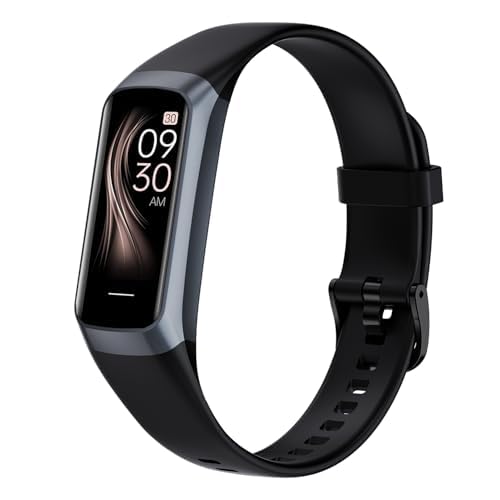
Staying active matters for everyone, but honestly, it feels even more important as we age. Fitness trackers help us count our steps, keep an eye on our heart rate, and even check our sleep—all packed into that little wristband.
We love these gadgets because they nudge us to move (especially when we’d rather stay on the couch) and, in some cases, can call for help if we take a spill.
When we pick fitness trackers for elderly care, we focus on what really matters: big, easy-to-read screens, comfy straps, and batteries that don’t die halfway through bingo. Some trackers go the extra mile with medication reminders or alerts for family and caregivers.
Let’s be honest—no one wants to feel like they’re launching a spaceship just to check their pulse. Simple menus and easy buttons are huge pluses.
With so many options out there, we wanted to figure out which fitness trackers actually work for older adults. We spent weeks comparing different models to see which ones make tracking health easy, not a chore.
Best Fitness Trackers for Elderly Care
Let’s face it—none of us are getting any younger, and our joints keep reminding us of that. We’ve pulled together the best fitness trackers to help us and our loved ones keep tabs on steps, sleep, and maybe even those late-night snack runs.
If you want an affordable senior smartwatch packed with features (and you’ve got the patience for setup), this one might be worth a shot.
Pros
GPS, SOS, and fall detection for peace of mind
Soft silicone strap feels comfy all day
Voice calls straight from your wrist
Cons
Setup is as tricky as a Rubik’s Cube blindfolded
Battery life doesn’t last long
SIM card not included—don’t forget to grab one
We strapped on the Fajocru watch and found the band surprisingly comfortable. It didn’t scream “giant computer” on our arm, either.
This watch brings a bunch of handy features: real-time GPS, two-way calls (hi, Mom!), and an SOS button for emergencies.
The GPS works, but don’t expect pinpoint accuracy—it’ll get you close, but maybe not right on top of your favorite lost walker. Step counting and health alerts help us keep up with daily habits.
Now, about the setup: you’ll need a SIM card, and putting it in feels like defusing a tiny bomb. We had to follow the instructions exactly, or else nothing worked.
There’s no WiFi, and the battery usually gives up before dinner, so you’ll want to keep the charger close. For folks with patience, though, the Fajocru Senior Fall Detection Watch offers a lot for the price—just don’t toss the manual!
The screen pops—reading heart rate and steps doesn’t feel like squinting at tiny letters. It fits pretty much any wrist, and after a while, you barely notice it.
The waterproofing means you can wash dishes without worry, which is good, since we’re not always the neatest.
Menus are simple to navigate, though all the sport modes make it feel like scrolling through a diner menu. No, you can’t track your snack intake—yet.
Setting up with the app was easy, but the design could use a facelift. The notifications feature is handy if your phone likes to hide in purses or couch cushions.
It tracks steps, calories, heart rate, and body temp, so you can geek out over your daily stats. The battery really surprised us, lasting several days.
While blood pressure readings seem a little wishful and sleep tracking is too generous, it’s still a great way to keep loved ones active and in the loop.
If you want a simple tracker that doesn’t nag you to install more apps, this one’s a solid pick for elderly care.
Pros
No phone or app needed—finally, some peace!
Large color screen is easy on tired eyes
Quick charge, almost a week of battery
Cons
The instructions could use, well, better instructions
Sleep tracking is hit or miss
Sometimes buzzes out of nowhere
We laughed when we realized we didn’t need to fumble with smartphones or beg grandkids for help. The Pautios Senior Pedometer Watch just works—no apps, no nonsense, just step counting and heart rate.
The display is bigger than some TV remotes, and the touchscreen means no more smashing tiny buttons. It tracks steps, calories, and even tells you how much you snored last night.
Charging is fast, so you’re not stuck waiting for hours. Sleep tracking isn’t perfect, and the instructions could definitely be clearer, but if you stick to steps and heart rate, this one does a lot for the price.
The random buzz now and then is almost funny—a little reminder that you’re still kicking. If you want a no-fuss tracker that just works, this is an easy choice.
Step count sometimes thinks you’re sprinting while you’re just watching TV
Sleep tracking can get confused (maybe you just look peaceful napping)
Sports tracking is basic
Using the Zeacool Fitness Tracker made us feel a bit more high-tech than we actually are. It fits well, even on smaller wrists, and the screen is bright enough for quick checks without reaching for glasses.
The band is comfy, so you’ll probably forget you’re even wearing it. Heart rate, blood oxygen, and blood pressure tracking run all day.
We found it handy for checking our stats after walks or stairs, though sometimes it congratulated us a bit too much for light activity. The waterproofing let us wash dishes and survive a garden hose mishap—no drama there.
Sleep tracking is a fun idea, but it sometimes gives us bonus points for dozing off in front of the TV. The pedometer gets a little overexcited, counting steps that didn’t really happen.
Still, for the price, you get loads of features, and it makes health tracking a lot simpler—even if it sometimes thinks we’re Olympic athletes.
If you want a fitness tracker that won’t confuse Grandma or break the bank, the Aukire deserves a spot on your list.
Pros
Lightweight design—barely noticeable
Bright, colorful screen that’s easy to use
Battery lasts longer than we expected
Cons
Not a ton of custom watch faces
App setup takes a little patience
Some seniors might need help with charging
The Aukire Fitness Tracker made us feel like we had a personal nurse—minus the awkward small talk. Tracking heart rate and blood oxygen was oddly satisfying, especially when we could brag about our numbers at family dinners.
The screen is clear and colorful, so no squinting required. Switching between sports modes felt like flipping TV channels—fast and easy.
We tried walking, running, even golf mode, and tracking felt pretty accurate. The water reminder nudged us to drink more, so we spent less time searching for glasses and more time using them.
Connecting to the app took a few minutes of head-scratching, but nothing a grandkid couldn’t solve. Charging is quick, though finding the magnetic connector the first time felt like a mini treasure hunt.
In the end, we liked that it gave us health stats without overwhelming us—we’re here to walk, not launch a rocket!
If you want a fitness tracker that keeps up with your parents (and maybe you too) without making them feel like they’re launching a rocket, this one fits the bill.
Pros
Intuitive touchscreen is easy on aging eyes and fumbly fingers
Tracks everything but our lost TV remote (heart rate, sleep, steps, and more)
Battery life lasts longer than most of our hobbies
Cons
Small screen might test our reading glasses’ superpowers
Menus can feel a bit busy at first
Customizing watch faces may take a little patience
We took the Mindrose for a spin and really liked how clear and bright the display looks. The band fits our wrists—no matter who needs it that day—and it doesn’t look clunky or “hospital-ish.” That’s a relief since we all want to keep things stylish.
Touch controls feel smooth, and the big icons mean less squinting while checking numbers. Staying in the loop is easy since text and call alerts pop up right on the screen. Now, Mom never misses our check-in texts or her doctor’s reminders.
The health monitoring options gave us some peace of mind, especially the 24/7 heart tracking and sleep reports. It’s like having a nurse on our arm, just way less chatty.
Even with all these features, we didn’t have to charge it every day. The battery lasted nearly a full week. Sometimes we tapped through a few screens to find what we wanted, but after a day or two it felt natural.
For anyone who needs a practical, easy-to-use tracker for elderly care with a dash of style, this Mindrose Smart Tracker is a solid pick.
If you want reliable health tracking without shelling out for a luxury watch, the BSLIZHEN Fitness Tracker C60 is a good option.
Pros
The bright AMOLED display is easy on our tired eyes—no squinting required.
Continuous tracking for heart rate, oxygen, and sleep keeps us in the loop even if we forget to check.
Lightweight and comfy enough that we sometimes forget we’re even wearing it.
Cons
The app setup takes a bit of patience—and possibly our grandchild’s help.
Touchscreen can be fussy for those of us with “athletically-sized” fingers.
Must stay charged, or it’ll just be an expensive wrist accessory.
Getting started with this tracker is a little adventure. We had to charge it, download the “Keep Health” app, and play a quick game of “find the Bluetooth.”
Once we connected, it delivered a clear, colorful display that didn’t make us squint or dig out reading glasses. The customization options made us smile, especially swapping watch faces or slapping a family photo on the dial.
We like how the C60 quietly checks our heart rate and blood oxygen 24/7. It nudged us to move when we sat too long—maybe a little too attentive, honestly. The sleep tracking gave us insight into our rest, and now we might finally have proof that we don’t snore… much.
Alerts for messages and calls kept us in the loop without grabbing our phones every minute. On the downside, the touchscreen felt less forgiving when our fingers got clumsy. If we forgot to charge it, well, it was back to the “wristwatch dark ages.”
Overall, it’s a practical pick if you want a simple way to keep tabs on your health.
If you want a fitness tracker that just works without twenty frustrating app setups, this might be your best bet.
Pros
No smartphone or app required for tracking
Large, easy-to-read screen (even for our most stubborn glasses-wearers)
Waterproof, so it survives dish duty and rainstorms
Cons
Heart rate readings can be off compared to medical devices
Some features are limited without using the optional app
Looks more basic than high-end smartwatches
Let’s be honest, not everyone wants to spend an hour syncing a watch to a smartphone just to count steps. This Pautios Senior Pedometer Watch skips the app headaches entirely.
We just strapped it on and immediately felt as tech-savvy as our grandkids—well, almost. The menus are big and colorful, so we can actually see how many steps we’ve taken, and yes, it reliably shames us for skipping the evening walk.
Simplicity stands out for our group. Everything happens on the screen—no need to bother with any apps or complicated connections.
Battery life also deserves applause. We charged it once, and then mostly forgot about it for nearly a week—except for a few moments of panic when it slipped under the sofa cushions.
A couple of hiccups came up. The heart rate feature sometimes gave readings that made us question if we’re time travelers, but otherwise, it tracked our steps and sleep pretty well.
Looks-wise, it’s not going to be mistaken for a fancy brand. But if you just want to out-walk your neighbors and keep things simple, it does the trick.
If you want your favorite seniors to track their health without needing a PhD in technology, the Fitbit Inspire 3 keeps things simple and actually fun.
Pros
Checks heart rate, sleep, stress, and steps without fuss
Super light and the battery lasts longer than our attention spans
Bright color screen that even cranky eyes can read
Getting everyone to wear their tracker is half the battle, but Inspire 3 is so slim and comfortable most of us forgot we had it on.
We gave it the nap test and it surprised us by tracking not just our sleep but also our “accidental dozing off during TV.” The sleep score felt a bit judgy, but it also helped us spot what was ruining our shut-eye.
Setting things up took a few tries (and maybe a call to a grandchild), but once we got rolling, it was smooth sailing. Heart rate and stress alerts popped up right when we needed them, even during those “exciting” bingo games.
The daily readiness and stress scores made it easy for us to decide if we should go for a walk or just sit and admire our fitness tracker for the day.
On the downside, the Inspire 3 needed our phones nearby if we wanted to track walks or jogs using GPS. The best features—like deep sleep insights and stress reduction tools—teased us a bit before saying, “You’ve got to pay extra for that.”
Still, if you want your elders to stay motivated, check heart rate, and keep moving, this friendly gadget is hard to beat.
If you’re looking for a fuss-free fitness tracker for elderly loved ones, this little AKUMAKA band nails it without making us tear our hair out.
Pros
No subscription fees ever (our wallets are thrilled)
The app is a breeze to set up and actually enjoyable to use
Share health data with the family without becoming tech support
Cons
No flashy display—this thing’s as stealthy as a ninja
Band adjustment can be a tiny struggle if you have sausage fingers like us
You’ll need to use your phone for all the juicy stats
Here’s the best part: finally, a tracker that doesn’t make us sign up, log in, give a blood sample, and pay a monthly fee just to see our steps. The app connects with shocking ease; even our pickiest aunt figured it out before her tea got cold.
Wearing the AKUMAKA band feels like putting on a regular bracelet—no chunky screens or embarrassing neon lights here.
We’ve been testing the step counting, heart rate, and sleep tracking—turns out, we’re walking more than we thought (thanks, dog). It quietly vibrates when our phone buzzes, so we don’t get scolded for loud ringtones at bridge club.
The family group feature is fantastic; now, we can overshare our sleep scores and remind Dad to take more walks, whether he likes it or not.
Charging is quick, and it lasts for days. The only hiccup is that there’s no screen, so if you love glancing at data on your wrist, you’re out of luck.
But for those of us who’d rather check on the phone—and have fewer things blinking at us all day—it’s a win. We wouldn’t recommend it for anyone looking for high-tech flashiness, but if simplicity and peace of mind matter most, the AKUMAKA Health Tracker Band really delivers.
Buying Guide
Let’s be honest—choosing a fitness tracker is almost like picking out a new pet, except this one nags us when we’ve been sitting too long. What should we actually pay attention to when picking one for elderly care?
1. Easy-to-Read Display
Nobody wants to squint just to check their steps. Look for a screen with big, clear numbers and bright colors. If you can’t read it faster than your grocery list, it’s probably not the right one.
2. Comfortable Fit
Itchy wrists are the worst. Go for a light, breathable band that doesn’t pinch or dig in. If it feels uncomfortable, you’ll probably stop wearing it.
3. Long Battery Life
Nobody wants to charge another device every single night. Find a tracker that can last a week or more—it really makes life easier.
4. Health Features
Some features matter more than others, especially for elderly care.
Feature
Why It Matters
Heart Rate Monitor
Keeps tabs on heart health
Step Counter
Motivates daily movement
Fall Detection
Adds safety, alerts caregivers
Sleep Tracking
Offers insight on sleep patterns
Emergency Alerts
Calls for help if something’s wrong
5. Simple Controls
If you need a thick manual just to get started, skip it. One-button or touchscreen controls make everything simpler, so you can get moving without fuss.
6. Water Resistance
We all forget sometimes. A water-resistant tracker survives rain, hand washing, or the occasional tea spill. That’s one less thing to worry about.
Hi, my name is Garrett Jones, and I am a tech enthusiast. I enjoy researching the new tech that has been released, and have a vast knowledge of the best tech to purchase.
From a young age, I have always had a big interest in technology, and this blog is an extension of that interest. Through this blog, I hope to provide others with all of the information they need regarding tech options to consider, and things such as compatibility. Some of the different items I will be discussing include headphones, smartwatches, and how to fix common issues.