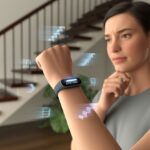
Smartwatches used to feel like something out of a sci-fi flick, but now they’re everywhere—counting steps, buzzing with texts, and generally making us feel a bit more futuristic. These gadgets have become health sidekicks too, tracking stuff our phones just can’t, like heart rate, sleep, and—yep—allergy symptoms.
Allergy tracking on a smartwatch? It’s actually pretty normal now. A lot of newer smartwatches let us log sneezes, sniffles, and even check pollen levels, all without grabbing our phones. Some models nudge us to take meds, steer clear of high-risk spots, or just hide inside when the outside world turns into a pollen parade.
Before we dive in, let’s talk about what really matters. Not every watch will work for allergy tracking. We need to think about how simple the watch is to use, which health apps it supports, how well it pairs up with our phones, battery life (because allergies don’t exactly run on a schedule), and whether it’s comfy enough for all-day wear. When pollen counts spike, the last thing we want is a watch that makes us itch even more.
We spent a bunch of time researching and comparing smartwatches with allergy tracking features to figure out which ones actually help us breathe a little easier.
Best Smartwatches for Allergy Tracking
Allergies seem to pop up faster than our Wi-Fi can drop out, right? That’s why we went looking for the best smartwatches to help us stay one sneeze ahead. Here are our top picks to keep sniffles, sneezes, and mystery rashes under control.
If you want a good-looking, allergy-aware smartwatch that feels just as at home in the gym as it does at brunch, the Amazfit Active 2 stands out—unless you’re the type who needs maps in the shower.
Pros
Stylish enough to dress up any wrist
Tracks health and sleep better than our memory of last night’s sleep
Battery lasts through our most forgetful days
Cons
Offline maps are handy, but don’t try swimming with them
Allergy tracking is more DIY than automated
Voice control sometimes gets confused in noisy places
We tried on the Amazfit Active 2 and liked how it looked right away. It didn’t scream “fitness tracker” at the coffee shop, but still felt ready for a workout—especially when we had to sprint for the bus. The big, bright screen stayed readable, even when the sun was doing its best to mess with us.
For allergy tracking, it lets us log symptoms, keep an eye on our heart rate, and track sleep—stuff that allergies love to mess up. The heart rate monitor works well, so we can actually blame hay fever for that tired feeling. While there aren’t any built-in allergy sensors, the Zepp App makes it easy to jot down symptoms and spot trends.
We didn’t have to charge it every night, which is honestly a lifesaver for the forgetful. Voice commands helped, though sometimes it just didn’t catch what we said when things got loud. If you want a stylish smartwatch that helps you keep tabs on allergy symptoms (and maybe gets you out of bed on time), the Amazfit Active 2 Smartwatch is a solid pick—just don’t expect it to predict pollen counts for you.
Only Android gets quick SMS replies (sorry Apple folks)
Health data helps, but can’t stop a pollen attack
When we tried the Amazfit GTR Mini, we couldn’t believe it only needed charging twice a month. That 14-day battery life is real, and it’s great for anyone who’s tired of hunting for a charger every night. It’s especially handy when allergies make bedtime routines drag on forever.
Wearing it felt easy. It’s so light, we forgot it was there—unlike those heavy fitness trackers that feel like bricks. The health monitoring gave us plenty of info, from heart rate to stress and SpO₂, which is great when we’re feeling stuffy and can’t tell if it’s allergies or just life. The sleep tracking was detailed enough that we could even tell when the neighbor’s dog woke us up.
We did miss being able to take calls from our wrist, but notifications showed up fast, so we never missed a reminder to take allergy meds. There aren’t any pollen sensors (we wish!), but it works with health apps to help track symptoms. If you want a watch that quietly does its job and doesn’t double as a phone, the Amazfit GTR Mini Smart Watch is a great pick—especially for anyone who sneezes for sport.
If you want to track allergies without breaking the bank (or charging every night), this one’s a no-brainer.
Pros
Big, bright screen makes allergy data easy to read
Syncs with apps like Apple Health, so everything’s in one place
Battery outlasts our last attempt at a juice cleanse
Cons
Notifications can get a bit overwhelming
Not the fanciest design—think “practical” over “influencer”
Sometimes the data feels like a lot if you just want quick info
When we put on the Amazfit Bip 5, we noticed right away how readable everything looked on the chunky, colorful screen. Allergy symptoms, heart rate, and even stress levels were easy to spot—super useful when pollen is out to ruin your day.
This watch just keeps going for days without needing a charge. We liked how it worked with both iPhones and Androids, and our allergy tracking synced smoothly with Strava and Apple Health. No more tech silos or panic about which flower is out to get us.
Sometimes the alerts come in a bit too fast, and the design is more functional than flashy. But if you care more about what it does than how it looks, it delivers. For tracking allergies and more without draining your wallet, the Bip 5 is a safe (and maybe slightly nerdy) choice.
If you want to track allergy triggers and feel like a tiny weather station, this one’s for you.
Pros
Tracks health stats that actually help spot allergy patterns
Six-day battery means fewer charging headaches
Stress and sleep tools shine during allergy season
Cons
Some health features need a paid Premium membership
Allergen tracking isn’t built-in and takes a little setup
Touchscreen can be stubborn with sweaty fingers
Wearing the Fitbit Sense 2 made us feel a little smarter about our allergies. It monitors heart rate and blood oxygen (which is great for pollen-filled lungs), and it’s got stress and sleep tracking to show just how cranky allergies can make us. We started checking the Health Metrics dashboard every morning—sure, it won’t warn us about ragweed, but seeing trends helped us figure out which days to stock up on tissues.
The battery life was a relief. We made it almost a week before needing to charge, which is better than most smartwatches we’ve tried. The stress management features got plenty of use during allergy peaks. The touchscreen usually worked, but sweaty fingers sometimes annoyed it—still, it’s better than earlier models.
There’s no “pollen alert” out of the box, but with a few favorite allergy apps and a little setup, we stayed in the loop. Just a heads-up: the best health insights come with a Premium membership after the free trial. For anyone tired of sleepless, sniffly nights, this smartwatch gives us a real shot at figuring out what’s going on inside.
If you’re looking for a solid allergy-tracking sidekick with decent health features and don’t plan on dropping it much, this watch could be a practical pick.
Pros
Clear, bright screen that’s easy on tired allergy eyes
Loads of health and fitness features you’d usually only find in pricier watches
Custom watch faces so you can pretend you’re more put together than allergy season allows
Cons
Battery life drops off faster than your sinuses during pollen season
Not the toughest—one drop and it’s not happy
Setup takes some patience, and figuring out all the functions isn’t instant
Honestly, when we tried out the Yowow BIT, the crisp 2.04-inch display jumped out right away. Checking heart rate and stress after a sneezing fit? Turns out, that’s pretty handy.
The health tracking gives just enough info to make us feel on top of things—even if we lose track of our tissues. With more health modes than we probably need, like 24/7 heart, blood oxygen, and even temperature, this watch covers a lot.
It pairs up with your phone, so you can sneak a look at notifications while pretending to ignore group chats. Customizing the watch face is a breeze, so it can look stylish even if your nasal voice isn’t.
One hiccup: the battery isn’t “legendary” by any stretch. Track a rough allergy week, and you’ll be charging more often than you’d like.
And please, don’t drop it—it didn’t survive a fall from the kitchen counter. There’s a bit to learn with all the apps, but once you get the hang of it, it’s smooth sailing (unless you forget to plug it in overnight).
If you want to get serious about allergy tracking but still look cool while scratching your nose, this is worth a look.
Pros
Skin temperature tracking gives a heads-up on weird allergy reactions
Battery life lasts longer than most people’s attention span
Fitbit app offers health insights without the jargon
Cons
Needs a Google account, so there’s another password to forget
Some features hide behind a paid subscription after the free trial
Not exactly a budget watch
Navigating allergy season with the Fitbit Sense on your wrist feels like you’ve upgraded your body’s operating system. That skin temperature sensor helps you spot when allergies are acting up or if that sneeze is just bad luck.
We like how the app breaks down sleep and catches odd patterns—good for figuring out if sneezes are from pollen or just bad dreams. The range of health tools packed into such a light watch is impressive.
Heart rate alerts show up when you’re stressing out (probably while dodging pollen), and the stress tracking pairs nicely with the allergy features. The battery keeps going for days, so you’re not desperately hunting for a charger every night.
Setting up the Google account forced us to reset a password—again. Some of the better insights need a Premium subscription, so you’ll have to decide if it’s worth it.
For tracking allergy symptoms and just about everything else your body does, the Fitbit Sense packs a punch—and it looks good doing it.
If you want to nap through allergy season and still keep tabs on your health, this watch makes it easy—though not perfect.
Pros
Hands-free Alexa makes life lazier and safer during sneezing fits
Tracks key health stats like heart rate and blood oxygen, which helps spot flare-ups
Battery lasts longer than most New Year’s resolutions—less charging, more watching
Cons
App must stay open for some features, so your phone battery takes a hit
Can’t use every function on PCs, tablets, or when you feel fancy with other gadgets
The silicone strap attracts lint almost as much as we attract pollen
Unpacking the Tensky Smartwatch with Alexa was a breeze. We asked Alexa if we’d survive allergy season—she didn’t know, but she set our alarm and reminded us to take medicine.
The built-in health sensors kept an eye on heart rate, oxygen, and stress every time the neighbor mowed the lawn. Calling and texting without grabbing the phone made us feel like secret agents, minus the tux.
Notifications came in instantly, which is great for tracking medication reminders or checking the weather before planning an outdoor sniffle-fest. With over 100 sports modes, we could log our pharmacy runs for tissues.
One thing we wish worked better: the companion app has to run in the background for everything to sync. That means our phone battery took a hit, especially after all the allergy alerts.
Still, for the price and these features, it’s worth a look—just maybe pick a dark-colored band if you shed as much lint as we shed tissues.
If you want a smartwatch that tracks health and allergies without screaming “I love tech,” this one fits the bill.
Pros
Clean design that looks more like a classic watch
Tracks temperature and breathing—both handy for catching allergy flare-ups
Easy-to-use screen, even when you’re half awake during pollen season
Cons
Battery issues might turn that 30-day claim into wishful thinking
Not the most feature-packed compared to fancier gadgets
Limited smart features—more clever watch than smartphone on your wrist
Wearing the Withings ScanWatch 2 feels like cheating at adulting. It looks refined, so nobody knows you’re checking your heart rate and blood oxygen every five minutes.
The temperature tracking brings peace of mind, especially during allergy season—if you spike a fever after a sneeze, this watch lets you know instead of leaving you guessing. We love how it tracks breathing at night and gives a heads up on disturbances.
It covers the basics and then some, without making wild promises. If you care about wellness more than the latest notifications, the ScanWatch 2 is a solid pick—especially if you want something that looks sharp with anything but a tux.
If you want an allergy-friendly smartwatch that does a bit of everything (sometimes all at once), the COCO BT2-Z is an interesting pick, but it’s got a few quirks you can’t ignore.
Pros
Tracks basics like blood oxygen and sleep in real time
Handy emergency call buttons and fall alerts for extra peace of mind
Comes with extra straps, so your wrist never gets bored
Cons
Fall detection can be hit or miss (like our yoga attempts)
Display is big—people will notice it before your allergies flare up
Watch faces and straps might not match what you ordered (surprises aren’t always fun)
Every time we use the COCO BT2-Z, it tracks blood oxygen quickly—super useful when allergy season hits harder than a double shot of pollen. The health features let us log heart rate and sleep, so we know when to take extra care.
The big screen makes those numbers impossible to miss. Emergency call buttons offer real peace of mind, especially if you worry about allergy-related incidents or random falls.
Medication and hydration reminders are a nice touch. If only it could remind us not to leave lunch in the fridge, it’d be perfect.
Downsides? Sure. Fall detection sometimes skips a beat, so don’t count on it to replace common sense. The size is hard to ignore—it’s chunky, even for strong wrists.
Sometimes the little things, like band colors and watch faces, just don’t match what you expected. It’s like ordering allergy medicine and getting vitamins; helpful, but not quite what you wanted.
The COCO BT2-Z keeps track of health stats and those unpredictable allergy days, but honestly, it’s the quirkiest member in our smartwatch lineup.
If you want a health-monitoring watch with plenty of features, a few quirks, and some personality, this one might keep you entertained. It won’t always keep you perfectly connected, but hey, that’s part of the adventure.
Pros
The big, bright screen is friendly for aging eyes.
Lots of health tracking—heart rate, SpO2, and stress—so you can even worry about how much you worry.
Emergency call button and fall detection kind of make you feel like a secret agent.
Cons
Bluetooth connection range is shorter than your patience on a Monday.
Memory fills up faster than your email inbox.
Setting up reminders feels a bit like herding cats.
COCO Smartwatch BT2 really tries to become your wellness watchdog and backup nurse. It buzzes you to take meds, stretch, and drink water.
The emergency call button sits right up front. That can be a lifesaver—if you’re still close enough for it to catch a smartphone signal.
I actually used it during a sneezing fit from allergies, even though my phone was buried somewhere in the couch cushions.
I liked the big, colorful screen. It’s easy to swipe, swipe, and, well, swipe again.
Stress and breathing monitors are a nice touch. But honestly, can any device really measure the panic of forgetting your allergy meds at home?
Pairing with the phone is supposed to be easy. Sometimes, though, it feels like the wind just knocks you offline.
My experience with medication reminders was mixed. They’re great for remembering pills, but the constant nudging sometimes feels like having a nagging parent on your wrist.
If you want peace of mind and don’t mind a little trial and error, this watch offers plenty. But if you need a rock-solid allergen tracking companion, you might want to keep looking.
Buying Guide
When you’re picking a smartwatch for allergy tracking, you probably want more than just a digital clock and another reminder about your terrible sleep. Let’s get into what actually matters here.
Key Features to Look For
Allergy Tracking:
Does it track pollen, air quality, or both? The more details, the better—especially for those of us who sneeze all spring.
Notifications:
Fast alerts matter. Nobody wants to stroll right into a pollen cloud because their watch zoned out.
Battery Life:
You need your watch working while you’re outside. A dead battery when pollen spikes? That’s just cruel.
Here’s a quick cheat sheet:
Feature
Why It Matters
Pollen & Air Alerts
Helps you stay ahead of sneezes
Water Resistance
Handy if you’re washing your hands a ton
App Compatibility
Plays nice with your favorite allergy apps
Comfort
You’ll want to wear it all day
Custom Alerts
No more surprise sniffles
Check how easy it is to use. Wrestling with tiny menus when your eyes itch? Hard pass.
Style isn’t everything, but let’s face it—it matters. A smartwatch that looks good and keeps tabs on pollen? Yes, please.
And hey, make sure it syncs with your phone. Real-time alerts beat getting hit with news after the sneezing fit.
Hi, my name is Garrett Jones, and I am a tech enthusiast. I enjoy researching the new tech that has been released, and have a vast knowledge of the best tech to purchase.
From a young age, I have always had a big interest in technology, and this blog is an extension of that interest. Through this blog, I hope to provide others with all of the information they need regarding tech options to consider, and things such as compatibility. Some of the different items I will be discussing include headphones, smartwatches, and how to fix common issues.