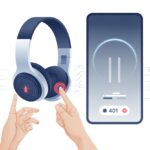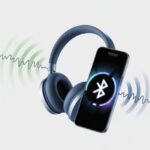
Who hasn’t been there—ready to enjoy music or jump into a meeting, only to get smacked with that annoying Bluetooth headphones error code 101? Suddenly, those wireless headphones become a puzzle, and you’re left mashing buttons, wondering if you should’ve just stuck with a tin can and string.
If error 101 has turned your wireless dreams into wired nightmares, resetting your headphones and restarting your device usually gets things back on track.
Let’s face it, Bluetooth connection issues like error code 101 happen more often than we’d like. You don’t need to be a tech genius—usually, disconnecting and reconnecting, or toggling Bluetooth off and on, sorts it out.
If you’re tired of this happening and want to put a stop to it, stick around—we’ll make error 101 a distant memory and get your music flowing again.
Understanding Error Code 101 on Bluetooth Headphones
Let’s be real: Error Code 101 is the Bluetooth gremlin nobody wanted at the party. It pops up with a big “oops! this should not happen” energy and can ruin a perfectly good playlist.
We’ll break down what it means, why it happens, and how to spot it before your day goes off the rails.
What Is Bluetooth Headphone Error Code 101
Error Code 101 acts like the “headset not connected” message, but with attitude. When your Bluetooth headphones refuse to connect or suddenly drop the connection, this code usually shows up.
It’s basically your device throwing up its hands and saying, “I give up!” instead of playing your music or calls.
If you’ve ever tried to fix it by turning things off and on a dozen times, you’re in good company. Lots of headphone brands and models use this code.
What makes it so frustrating? Usually, it means something basic in the connection chain broke down. Maybe your headphones and phone stopped talking, or they just broke up mid-song.
Either way, Error 101 is the breakup text nobody wanted.
Common Causes of Error Code 101
Sometimes it’s simple, sometimes it’s weird. A low battery can be the culprit—tired headphones just don’t want to deal.
Too many Bluetooth devices in the area can also cause chaos, all fighting for attention like kids at a birthday party.
Pairing failures happen too—your devices just can’t agree on the handshake. Glitchy Bluetooth on your phone or a pending software update can also cause trouble.
If you wander too far from your device, the Bluetooth signal might quit and sulk. Interference from Wi-Fi, microwaves, or other gadgets can crash the Bluetooth party.
For battery tips and common pairing issues, this Wired guide has good advice.
Symptoms and Messages You Might See
Let’s be honest: Error 101 doesn’t always make a dramatic entrance. Sometimes, your headphones just refuse to pair.
Other times, you get classic messages like “headset not connected,” or “oops! this should not happen.”
You might notice:
- Headphones disconnecting out of nowhere
- Endless spinning or searching messages
- The Bluetooth device not appearing in the list
Sometimes, the connection drops mid-song, and your audio stroll turns into awkward silence. You might get stuck in a loop of connecting, disconnecting, and reconnecting—like your devices are doing a bad dance. It’s not pretty, but at least you’ll know what’s up when Error 101 hits.
Quick Troubleshooting Steps
When Bluetooth headphones start acting up and throw error code 101, it’s easy to feel like tech is out to get you. But with a few quick moves, you can get your Bluetooth back in line—and maybe avoid losing your cool.
Restarting Your Bluetooth Headphones
Nothing says “enough already” like a restart. Seriously, most Bluetooth problems—including error 101—vanish when you power your headphones off and on again.
Here’s how to do it:
- Turn the headphones off completely.
- Wait 10-15 seconds. (Take a breath, too.)
- Turn them back on and check for those blinking lights.
Restarting clears out minor glitches or bugs. Some headphones have a reset button, but if yours doesn’t, a quick look at the manual or a web search might help.
If a normal restart doesn’t cut it, you might need a factory reset. This wipes all pairings and resets settings. Only go there if nothing else works.
Restarting Your OSS or Operating System
Sometimes it’s not the headphones—it’s your device’s operating system (OSS) acting up. Restarting your phone, tablet, or computer can clear out a lot of Bluetooth headaches, including those sneaky error codes.
Here’s a simple routine:
- Close any apps or windows using Bluetooth.
- Hit restart or reboot and let the device chill for a sec.
- After it boots up, try reconnecting the headphones.
An OSS restart clears temp files, resets connections, and kicks stuck programs out of the way. Save your work first—nobody wants to lose cat memes or homework mid-reboot.
Checking Your Bluetooth Device Connections
Before blaming the headphones or OSS, check your Bluetooth connections and settings. Sometimes the answer is right there.
Make sure:
- Bluetooth is actually on (we’ve all missed this at least once).
- Your headphones show up in the list of available devices.
- If your device lists a bunch of Bluetooth connections, disconnect the ones you’re not using. Some headphones get fussy if they’re paired to too many things at once.
Try forgetting the headphones from the Bluetooth menu, then pair them again like it’s the first time. If things still don’t work, check battery levels—low power can make headphones cranky, as this WIRED guide explains.
Sticking to these steps can save you hours of confusion and maybe a support call or two.
Fixing Connection and Detection Issues
Sometimes Bluetooth headphones go into hiding. Other times, they just ghost you or make your screen flicker like a disco.
Here’s how to bring them back to a stable relationship.
Headset Not Connected: Solutions
First, double-check that Bluetooth is actually on. It sounds silly, but you’d be surprised how often this fixes things.
If that’s not it, try forgetting the device and pairing again. Go to Bluetooth settings, select the headset, and hit “Forget.” Then turn both devices off and on, and pair them fresh.
If Error Code 101 keeps popping up, watch for any antivirus, firewall, or VPN apps that might block the connection. Sometimes, security software plays bouncer at the Bluetooth door. Try disabling these (just for testing) to see if that helps.
Still nothing? Time for the classic restart. It’s not magic, it’s just tech’s way of clearing its head.
How to Handle ‘The Headset Cannot Be Detected’
So your device says, “The headset cannot be detected.” Rude. This usually means your headphones and your phone or computer aren’t talking at all.
Put your headphones in pairing mode. Most need you to hold the power button or a special Bluetooth button until a light blinks.
If they’re still invisible, check if other devices are hogging the connection—maybe your smart TV is the sneaky Bluetooth thief.
If nothing works, clear out all previously paired devices from both the headphones and your phone. Some headphones get confused by too many old friends in their history.
Make sure both devices are charged up too. Dead batteries ruin the party every time.
Stabilizing Your DisplayPort Connection
Using Bluetooth headphones with a PC and a DisplayPort monitor sometimes brings up another headache: “DisplayPort connection is not stable.” This can come from hardware or driver issues.
Check your cables and ports—are they loose or unplugged? A shaky DisplayPort connection can mess with the audio signals sent to your headphones.
Update your display and Bluetooth drivers. Old drivers love to cause drama. It’s better to get updates from the manufacturer’s site than trust Windows to handle it.
If you’re still stuck, try a different port or cable. Sometimes, tech just wants a change of scenery. For more tips, check out this discussion about connection errors.
Solving Audio and Firmware Problems
Sometimes Bluetooth headphones just go silent or start flashing odd error codes. These issues can come from connection problems, failed updates, or just plain bad firmware luck.
No Audio Coming From the Headset
Honestly, wearing Bluetooth headphones with no sound is like eating ice cream with the lid still on.
First, check if your headphones are actually paired with the right device. Sometimes they sneakily connect to an old phone hiding somewhere.
Next, make sure the headphones aren’t muted. It happens more than you’d think. Maybe the volume is down, or your device is sending audio somewhere else.
Try disconnecting and reconnecting the headphones, or just restart your device. Bluetooth gremlins often disappear after a reboot.
If you still get silence, check the audio settings. On Windows 11, for example, your computer might not recognize the headphones as an audio device even when they’re connected. Sometimes, just picking the Bluetooth headphones as the output does the trick.
Audio Update Failed: What Next?
When we see that dreaded “audio update failed” or “Error 101,” it usually means the firmware update crashed and burned somewhere along the way. Maybe our computer, headphones, or even the cable just decided to misbehave. Sometimes, it feels like the universe is just begging us to step away and grab a snack.
So, what can we actually do about it?
1. Restart both the device and the headset.
2. Power cycle any link boxes or converters we’re using.
3. Try running the firmware update again, making sure everything’s plugged in tight.
For some gear, like VIVE headsets, this step-by-step routine comes straight from their official troubleshooting. If nothing works, we might have to reset the headset or reach out to support before giving the update another shot. Sometimes, stubbornness (and a pinch of luck) gets us through.
Firmware, Software, and Hardware Updates
Bluetooth error codes love to pop up when firmware is buggy or software is out of date. Our cameras or VIVE equipment can also throw fits, so keeping things updated is our best defense—even if it feels like chasing a herd of cats.
Headset Firmware Update Failed
When our headset flashes “firmware update failed,” it isn’t just being dramatic—there’s something up.
Let’s make sure we’re using the official app or tool from the brand. Updating over a solid WiFi connection is pretty non-negotiable. If a factory reset is available, we should back up our stuff and give it a try.
Plugging the headset directly into the computer (using the right software) often saves the day. It’s not glamorous, but sometimes we’ve got to drag out the USB cable. If that doesn’t work, we might need to check for corrupted files, try a different device, or, sigh, chat with customer support.
Quick Fix Checklist:
- Charge the headset all the way
- Use official apps
- Try other USB ports
- Restart everything—twice if we’re desperate
Update VIVE Software and Firmware
If we’re dealing with the VIVE, buckle up. That “update failed” message just loves to crash the party. VIVE’s support suggests rebooting both the computer and the USB connection.
We should double-check that SteamVR and VIVE Console are up to date. Sometimes the update servers are just in a mood. Restart both the link box and headset, then check for error codes. If Error 101 shows up, unplug and replug everything.
Keeping all the pieces updated means fewer jump scares and random disconnects.
Try These Steps:
- Reboot headset and PC
- Check for VIVE software updates
- Reconnect USB and power
- Update through SteamVR
Camera Firmware Update Issues
Camera owners, you’re not getting off easy. A failed firmware update on the headphones’ built-in cameras can cause weirdness, missing features, or Bluetooth that just ghosts us.
Always check the battery before updating. If the update gets interrupted, we could end up with a bricked device (unless we love paperweights). If it fails, reset the camera and grab the latest firmware from the official site—don’t trust random files floating around online.
Some cameras want a microSD card for firmware, others use the app. Just follow the steps and resist the urge to multitask—this isn’t the time to get creative.
Tips for Updating Camera Firmware:
- Charge the camera fully
- Stick with trusted firmware files
- Don’t unplug during the update
- Follow the manufacturer’s instructions
Cables, Ports, and Physical Stuff That Goes Wrong
Let’s be honest—even the fanciest Bluetooth headphones can’t escape old-school physical issues. Sometimes, it’s not the tech—it’s the setup. Maybe a cable’s loose, a driver’s snoozing, or a USB port just isn’t feeling it today.
DisplayPort Cable Is Disconnected
When a Bluetooth error pops up, checking the DisplayPort cable probably isn’t our first move. But hear me out. If we’re pairing headphones with a PC that’s connected to a monitor, a loose DisplayPort cable can mess things up.
Windows sometimes tries to send audio to a monitor instead of headphones. If the DisplayPort cable wiggles out, the computer gets confused and starts sending sound to the wrong place. We should make sure all cables are snug before we start panicking.
If the monitor isn’t fully powered on—even if it looks like it is—Windows might act like it’s missing. Unplugging and replugging the DisplayPort can force Windows to wake up and send audio where it belongs.
Please Update Graphics Card Driver (and Have a Cookie While You Wait)
Outdated graphics card drivers can make Bluetooth audio go haywire. Sure, headphones aren’t graphics cards, but drivers control where the sound goes—including over Bluetooth. Old drivers can break connections, send audio into the void, or trigger error 101.
Updating drivers isn’t rocket science. We just visit the graphics card’s website (Nvidia, AMD, Intel—take your pick), download the latest driver, and follow the steps. The computer might flicker or groan, so it’s a good excuse to grab a snack.
Laptop users: check your manufacturer’s website for drivers too. Updated drivers mean fewer Bluetooth surprises and longer-lasting connections.
Using the Right USB 3.0 Port
Not all USB ports are equal. Many Bluetooth dongles want a USB 3.0 port for faster data and less interference. If we plug into a USB 2.0 port, we might get dropouts or error codes—especially if there’s a pile of other gadgets plugged in.
Look for blue inside the port or “SS” (SuperSpeed) labels to find USB 3.0. Moving the dongle there can boost the signal and stop those annoying Bluetooth disconnects.
Don’t just shove the dongle into the back and forget it. Picking the right port means fewer “device not found” surprises and less time crawling under the desk.
App, Driver, and Software Glitches
Bluetooth headphones can turn into a soap opera when software acts up. Here are three classic issues that can ruin our vibe—and what we can actually do about them (besides yelling at the screen).
The Server Is Disconnected
When the server is disconnected, it sounds official but usually just means our device can’t reach what it needs. Maybe the update server’s down, or our Wi-Fi is on strike.
Let’s try a few things:
- Restart headphones and the app
- Double-check Wi-Fi or mobile connection
- See if the service’s website is down for everyone
Some unlucky folks have seen this with car or streaming software updates—here’s a real-world software update error code 101 for reference.
Compositor Is Disconnected: Hang On Tight
So, what’s a compositor? Basically, it keeps our headphone visuals and audio in sync. When it disconnects, expect glitches, lag, or apps crashing after a short “please wait” message.
To fix compositor issues:
- Restart the computer—old school, but it works
- Update Bluetooth drivers in device manager
- Close other apps hogging audio or visuals (looking at you, Chrome)
Sometimes, just unplugging and plugging everything back in works wonders. It’s embarrassing how often that helps.
Please Check That SteamVR Was Installed Properly
If we’re mixing Bluetooth headphones with VR, a message like “please check that SteamVR was installed properly” can throw us off.
Here’s what to do:
- Make sure SteamVR is really installed
- Use Steam’s “Verify Integrity of Application Files”
- Update SteamVR and related drivers
If Bluetooth still acts up, uninstall and reinstall SteamVR. Sometimes, that’s the only way.
A SteamVR hiccup can mess up everything from audio to overlays, so being thorough saves a lot of frustration.
Advanced Solutions for Persistent Error 101
If Error 101 just won’t quit, we need to go a little deeper. These fixes go beyond the basics and tackle some weird but real issues with Bluetooth headphones and connected gear.
SteamVR Safe Mode and Unexpected Problems
SteamVR loves to launch in Safe Mode after Error 101, but honestly, it can feel like we’re stuck in a lecture. Safe Mode limits features to protect things, but it doesn’t always help headphones connect.
If we see “SteamVR has encountered an unexpected problem,” restart SteamVR and the computer. Check for software updates—outdated VR drivers can mess with Bluetooth. Unplug extra USB devices; sometimes a crowded port lineup confuses both SteamVR and Bluetooth.
Try these steps:
- Restart SteamVR and PC
- Update SteamVR and Bluetooth drivers
- Unplug extra USB devices
- Close unnecessary background programs
Trying all that can save us from yelling at hardware (and maybe each other).
Exceeded Maximum Number of Monitors: Too Much Power
If we’re running lots of monitors, VR, and Bluetooth headphones, the computer might freak out and flash “You’ve exceeded the maximum number of monitors.” Too many displays or adapters can hog resources, leading to Bluetooth issues and Error 101.
Check the setup. Disconnect monitors or adapters we don’t need. If the error sticks around, open display settings to see if Windows thinks we have phantom monitors.
Table: Quick Fixes for Monitor Overload
| Step | What to Do |
|---|---|
| Unplug extra monitors | Keep just the main screen and try again |
| Update graphics drivers | Download the latest GPU driver online |
| Check display settings | Remove ghost displays in Windows |
Once we free up resources, our Bluetooth headphones can breathe—and so can we.
ROM Checksum Failed: When Bytes Get Naughty
“ROM checksum failed” sounds scary, and, yeah, it usually is. This means data on our Bluetooth headphones or VR gear got corrupted, maybe from a bad firmware update or a power outage.
If we see this, it’s time for a firmware refresh. Head to the device’s support site, grab the latest firmware, and carefully follow the update steps. Sometimes, a reset with a paperclip is the only way to clear out the bad memory.
Firmware update tips:
- Use the official device app or website
- Keep headphones charged during updates
- Don’t update during storms (just in case)
Let’s show those naughty bytes who’s boss.
Calibration Data Is Lost: Time for a Tiny Panic
When calibration data goes missing, devices can’t remember where “straight ahead” is—or even which way is up. For headphones, this can mess up sound or tracking. For VR, we might end up in a virtual corner somewhere.
First, run the device’s calibration or reset option. For VR, this might mean standing in a T-pose or spinning with the controller like we’re in a dance-off. For Bluetooth headphones, try forgetting and re-pairing them so they can find themselves again.
If nothing helps, a factory reset usually does the trick. We lose our preferences, but at least the device acts normal again. And hey, it’s a good time to reflect on all the little choices that led us here.
How to Prevent Error Code 101 in the Future
Let’s be honest: nobody wants their Bluetooth headphones to suddenly become expensive paperweights because of error code 101.
With a few habits and a bit of caution, we can probably dodge this annoying issue and just enjoy our music.
Scanning File for Viruses Before You Cry
Before you hit “download” on that mysterious driver update, just take a breath.
Running a quick virus scan on anything you download keeps your devices a lot safer.
Even sites you trust can get hacked, so why not double-check?
Here’s a quick step-by-step:
- Save the file, but don’t open it yet.
- Right-click and pick “Scan with Antivirus.”
- Wait for the scan to finish before you trust it.
Malware loves sneaking in through downloads.
If you make scanning files a habit, you might avoid learning about error codes the hard way.
Keep That Virus Scanner Updated
An outdated virus scanner? That’s like an umbrella full of holes—looks helpful, but you’re still getting soaked.
Make sure you update your antivirus software regularly.
Updates help catch new threats that could cause problems, including error code 101.
Most virus scanners let you turn on automatic updates.
If you’re not sure it’s working, just check for updates every week or so.
Even the free versions can help keep you safer.
It’s just easier to stay protected when your digital shield is actually up to date.
Nobody wants some sneaky bug causing Bluetooth trouble just because your scanner missed it last week.
Bluetooth vs. WiFi: Don’t Let Interference Ruin Your Day
Bluetooth and WiFi? They’re like siblings fighting over the last piece of cake.
Both use similar radio frequencies, so they can mess with each other’s signals.
When they start interfering, your headphones might struggle to connect and throw up errors like code 101.
Here are a few things that help:
- Keep your Bluetooth devices and WiFi routers a few feet apart.
- Use the 5 GHz WiFi band if you can, since Bluetooth mostly uses 2.4 GHz.
- Don’t crowd too many wireless gadgets together.
If your Bluetooth keeps dropping or you see error messages, checking for signal interference can really save your day.
And maybe your music will finally stop skipping.
If you want more tricks for fighting Bluetooth problems, here’s a guide on fixing Bluetooth pairing issues.
Razer Users: Special Considerations
If you’re dealing with Bluetooth headphone error code 101 and you use Razer gear, you’re in for your own adventure.
Between logging in, posting in forums, chasing badges, or the endless cycle of password resets, there’s more going on than just fixing a headset.
Logging in with Razer ID
First up, you can’t do much until you’re logged in with your Razer ID.
Forget your login? It’s like being locked out of the best pixel party.
Double-check your username and password—everyone’s added an accidental “!” at least once.
Login problems sometimes cause issues beyond access, like trouble syncing your devices.
If your Bluetooth headphones are acting weird, it could be your profile not syncing right.
Having the correct Razer ID means your settings, firmware updates, and device support actually stay linked to you—not floating around in cyberspace.
Stay signed in on the Razer Insider forums for quick access to support threads and handy guides.
Earn Badges and Create New Threads (For Support or Just Because)
Think badges are just for scouts? Not here—on Razer Insider, badges are digital bragging rights.
You earn them by jumping into threads, solving problems, or helping fellow gamers.
A shiny stack of badges won’t fix error code 101, but hey, at least you look busy.
Starting new threads can seriously help when you’ve got a weirdly specific problem.
If you need help with headphone errors, search first (no one loves double-posts), then post clear details about your device and software.
Helpful info includes error messages, steps you’ve tried, and your system specs.
Other users—and sometimes Razer reps—are more likely to respond if you’re clear and polite. Bonus points for memes.
Reset Your Password Like a Pro
We all forget our passwords sometimes—especially if we’re still using something like “password123” (seriously, don’t do that).
Resetting your Razer ID password doesn’t take long. Just hit “Forgot Password” when you’re logging in, then follow the steps that show up in your email.
Lost access to your email? That’s where things get a bit more complicated.
You’ll probably need to reach out to support to prove it’s really your account.
It’s honestly a good idea to keep your info updated, just in case.
If everything checks out, you’ll be back to troubleshooting error 101 in no time—hopefully without any rage-typing.
A new password might even clear up some weird login connection issues, so you might save yourself a headache next time you grab your headphones.

From a young age, I have always had a big interest in technology, and this blog is an extension of that interest. Through this blog, I hope to provide others with all of the information they need regarding tech options to consider, and things such as compatibility. Some of the different items I will be discussing include headphones, smartwatches, and how to fix common issues.
- Why do my Bluetooth headphones not block outside sound? Sorry, They’re Not Mind Readers! - October 5, 2026
- How to Use a Smartwatch for Running Without Looking Like You’re Checking Your Stocks - October 4, 2026
- Best Bluetooth Headphones for Long Flights: Ears Happy, Neighbors Jealous - October 4, 2026
Related Posts: