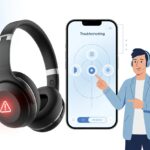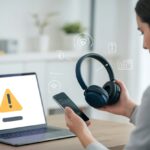
We’ve all been there—ready to dive into our favorite playlist, but then our Bluetooth headphones throw up the infamous error code 505. Instead of chilling out, we’re suddenly thrown into a tech support rabbit hole that nobody wanted. The fastest way to fix Bluetooth headphones error code 505? Remove the device from your Bluetooth list, reset your headphones, and pair them again. (Honestly, this works way more often than you’d expect.)

Sometimes, though, error codes just refuse to leave—like glitter after a party. Ever feel like your headphones are holding a grudge? Luckily, a few simple steps usually get things back in shape, and you won’t need to toss your gear or shell out for repairs. If you want to keep your Bluetooth drama to a minimum, these tips might just become your new best friends.
Let’s break down how to tackle error code 505 together. Less troubleshooting, more music—sounds good, right?
What Is Error Code 505 on Bluetooth Headphones?
Let’s be real—nothing kills the vibe faster than Error Code 505 flashing up on your Bluetooth headphones. It usually pops up out of nowhere, leaving you without music and maybe yelling at your headphones.
Common Causes of Error Code 505
Error Code 505 usually happens because your Bluetooth headphones have driver problems or outdated firmware. Sometimes, stubborn software just refuses to talk to your music device. A weak or lost Bluetooth connection can also trigger this error.
Windows users often run into driver issues. When drivers go haywire, headphones stop working and the error appears. Other times, interference from other wireless gadgets at home can mess things up. Surprise tech party, right?
Pairing glitches can also cause error 505. If your headphones try to juggle too many devices or can’t remember their last pairing, you’ll probably see the error pop up.
Impacts on Music Playback
When Error Code 505 shows up, your music either stops or just randomly drops out. Sometimes, you get no sound at all—even after mashing every button in sight.
Crackling noises, stuttering, or delayed audio can also show up. These issues are extra annoying if you’re in the middle of your favorite song. Even system sounds might get blocked, leaving you with a silent Bluetooth device.
If any sound makes it through, it’s usually low quality and full of interruptions. At that point, your Bluetooth headphones might as well be a fancy headband.
Device Compatibility Issues
Not all Bluetooth devices play nice together, and Error 505 can show up when your headphones and music player use mismatched Bluetooth versions. It’s like trying to fit a square peg in a round hole—no luck, no matter how hard you try.
Older computers or phones can struggle to connect with newer headphones. Software differences can confuse both devices, leading to a standoff with no winners. Sometimes even newer Bluetooth models get picky if they sense the other device isn’t up to speed.
Most of us don’t realize compatibility is the problem until we’re glaring at our screens, wondering if Bluetooth just hates our music taste.
Quick Fixes for Bluetooth Headphones Error Code 505
Bluetooth headphones sometimes just refuse to connect, leaving us staring at error code 505. Luckily, you don’t need to be a Bluetooth wizard—just try a few easy steps to get things working again.
Restarting Your Headphones
Sometimes, headphones just need a quick break. Turn them off, wait about 10 seconds, and power them back on. If your headphones have a reset button, press and hold it for 10-15 seconds.
Not every model is the same, but most brands want you to hold the power button until a blinking light appears. If you’re not sure, check the manual or do a quick search. Restarting clears up small issues—it’s basically the classic “have you tried turning it off and on again?”
A simple restart lets your device recognize the headphones and gives you a fresh chance at connecting.
Reconnecting to the Bluetooth Device
If your headphones are still acting up, remove them from your phone or computer’s Bluetooth list. Deleting the pairing data makes sure there aren’t old connection problems getting in the way.
For Windows, click Remove device in Bluetooth settings, then confirm. Next, put the headphones into pairing mode—usually a long press on the power or pairing button until you see a flashing light—and reconnect like it’s the first time.
Need more help? Microsoft Support and other sites have step-by-step guides. This clears out stubborn pairing ghosts and gives you a better shot at a working connection.
Advanced Troubleshooting Steps
If rebooting and the basics haven’t helped, don’t stress—we’re not giving up on those headphones yet. There are still a few tricks left that might just save your playlist.
Updating Firmware and Software
Sometimes, your headphones just need a digital refresh. Outdated firmware or software can cause pairing problems, weird error codes, or laggy sound.
Check the manufacturer’s website or app for updates. Most brands give you steps to download firmware right onto your headphones via Bluetooth or USB. It’s wild, but even headphones need updates these days.
Don’t forget to update Bluetooth drivers or software on your phone, tablet, or laptop too. Sometimes, the real problem isn’t the headphones—it’s your device. If you see “update available,” go for it and hope it solves the issue.
Not sure what version you have? Some apps show it under “About” or “Device Info.” For the curious, changelogs sometimes call out fixes for the exact error code bugging you. For more help, check these firmware update tips.
Resetting Bluetooth Settings
If everything’s up to date and you’re still stuck, it’s time for a reset. Sometimes devices hang onto old pairing info, and a fresh start helps.
On Android, go to Settings > System > Reset options > Reset Wi-Fi, mobile, & Bluetooth. On iPhones, look for “Reset Network Settings.” This wipes all saved devices, so you’ll need to pair things again. It’s basically tech spring cleaning.
Most headphones have a reset button combo. Check the manual or the manufacturer’s website. Sometimes you have to press the volume and power buttons together for ten seconds. It feels silly, but hey, whatever works. For more details, see this Bluetooth troubleshooting guide.
Trying Alternative Devices
Before you blame the headphones, try connecting them to a different device—a friend’s phone, an old tablet, whatever you have around. Sometimes, the problem is your original device, not the headphones.
If the headphones work with the second device, your first gadget is the troublemaker. If not, the headphones might need professional help or repair.
If they fail everywhere, there could be a hardware issue or a firmware mess you can’t fix at home. But if they work elsewhere, dig into your original device’s settings or run the Bluetooth troubleshooter. This tool is about as close as you’ll get to having tech support on speed dial.
Checking Connection Methods
Let’s figure out what’s actually connecting to what, and how to avoid mixing up Bluetooth headphones with too many devices or outdated cables. Keeping track of your connections can make or break your headphone experience.
Testing USB and HDMI Connections
We’ve all dug through drawers looking for the right cable, only to find a pile of random chargers. Here’s the thing: Bluetooth headphones don’t use USB or HDMI for audio. If you’re plugging your headphones into a USB or HDMI port hoping for music, it’s not going to happen.
Some Bluetooth headphones use USB for charging or firmware updates, but not for audio. If you’re trying to get sound through USB or HDMI, your pairing method probably went off the rails. Stick to using those cables for charging or updates.
Still not hearing anything? It’s not the HDMI port’s fault. Double-check your Bluetooth settings and leave the cables for devices that actually need them.
Multi-Device Pairing Pitfalls
Here’s where things get messy. Bluetooth headphones like to pair with lots of devices—your phone, laptop, tablet, maybe even your smart fridge.
This sounds handy, but sometimes your headphones get confused and start switching between devices on their own. If you notice random disconnections or your audio suddenly jumps to another gadget, you’re probably dealing with multi-device pairing chaos.
To fix it, disconnect from devices you aren’t using. Clean up your paired device list. Stick to connecting just one or two devices at a time, and your headphones will probably reward you with clear, steady audio. Honestly, reliability is better than having your headphones try to be a Bluetooth magician.
Audio Platforms and Application Interference
When your Bluetooth headphones start acting up with error code 505, sometimes the real problem is a battle between your apps and how your audio gets routed. It’s not always the headphones—sometimes it’s the tech behind the scenes causing the chaos.
App Conflicts: Zoom and Music Apps
Ever started a playlist on Spotify, only for Zoom to swoop in and kill the vibe? Zoom and similar apps grab the audio channel, tossing our music or videos into silence. Meetings get dibs, but our playlists get the boot.
Different programs fight for audio control all the time. If Zoom claims the wheel, our music might pause, stutter, or just disappear. And it’s not just Zoom—some game or editing app might jump in and mess things up, too.
To push back, open the app settings and try switching the sound device. Check if any app uses “exclusive mode,” so it doesn’t hog the audio like it owns the place. If you want more info on overlapping audio issues, there’s a pretty useful discussion of Bluetooth interference.
Audio Receiver and Speaker Selection
Sometimes the computer just loves to switch audio output at the worst time. One second, we’re grooving with Bluetooth headphones, and the next, our meeting audio blasts from the laptop speakers. Jarring, right?
Always double-check the default audio output in your system settings. On Windows, that’s in Sound settings; on Macs, it’s similar but with Apple’s own twist.
Here’s a quick checklist:
- Open Sound or Audio settings.
- Pick the right output device (Bluetooth headphones, not random speakers).
- Test with a song or audio clip.
- Still not working? Reconnect the headphones or restart the audio service.
If things still go haywire, Bluetooth interference from other devices could be to blame. Here’s a guide for eliminating Bluetooth interference.
Consulting Documentation and Support
When Bluetooth headphones flash error code 505, it almost feels like the universe is blocking our music. To outsmart it, check official documentation, reach out to support, and don’t waste time reinventing the wheel—other people have probably solved this already.
Finding Official Documentation
First stop: official documentation. Most headphone brands post clear guides for common errors, including error code 505. Usually, these live on their websites under Help, Support, or some obscure FAQ page.
Look for reset instructions, compatibility info, and lists of known issues. Reading the manual (even if we swore we never would) can solve more problems than we expect. Brands also update their official documentation and add new troubleshooting steps when new bugs show up.
All the specs and requirements will be listed, so if our headphones secretly don’t play nice with our device, we’ll find out.
Contacting Support Teams
Sometimes, the guides just don’t cut it. That’s when we bite the bullet and message support.
The fastest way is usually online chat or email from the manufacturer or computer brand. To get help quickly, have the product name, model number, error details, and a list of what we’ve tried.
Here’s a little checklist for a faster response:
- Model Number: Give them the full thing if you can.
- Proof of Purchase: Dig it out of your inbox.
- Screenshots/Photos: A picture of the error code goes a long way.
Some companies even offer live remote help, so we can just sit back and watch their tech support work their magic.
Using Online Libraries for Solutions
If we’re up for it, online forums and libraries overflow with advice from people who’ve had even stranger problems.
Sites like Microsoft’s community forums share specific steps for weird pairing issues and error codes. We can find walk-throughs on checking Bluetooth support, flipping settings, and seeing if services are running directly in Windows.
These online hubs often include:
- Step-by-step guides
- Lists of working fixes
- Q&A from real users
Tips and stories from these forums often save us headaches—and might even keep us from ever needing to call support. Now if only someone would make a lost headphone case tracker.
Preventing Future Bluetooth Headphone Errors
Avoiding Bluetooth errors is way easier than fixing them. A few tweaks can keep our headphones working and stop error code 505 from coming back.
Tips for Consistent Performance
Let’s not leave headphones on all day. It doesn’t make us “always ready”—it just drains the battery and keeps connections tangled. Turning them off when we’re done helps a lot.
Update Bluetooth headphone firmware when we can. Manufacturers roll out fixes and improvements in those updates. Unlike broccoli, firmware updates are actually good for us. Most brands walk us through updates in their apps or on their websites.
Keep our phones, tablets, and computers up-to-date, too. OS updates often fix weird Bluetooth bugs. If our headphones start acting up, a quick reboot usually helps. The classic “turn it off and on again” still works.
If other devices are trying to sneak into our Bluetooth party, use pairing modes with PINs or built-in security. That’ll keep random gadgets away—like the neighbor’s headphones that are a little too friendly. For more about blocking unwanted connections, check this Reddit thread on unauthorized pairing.
Best Practices for Device Pairing
Let’s make pairing less painful. Start fresh: “forget” old or unused devices before adding new ones. Phones and headphones get confused if too many pairings pile up.
When pairing, make sure both devices are in “discoverable” mode. Usually, holding the power button on headphones does the trick. No one wants to play hide-and-seek with their own tech.
Stay close! Pairing works best within a few feet. Walls, microwaves, and even fish tanks get in the way. Who knew?
If things still won’t connect, try toggling Bluetooth off and on in settings. For more ideas, check out these Bluetooth headphone troubleshooting tips.
Quick reference:
| Step | Why It Matters |
|---|---|
| Update firmware | Fixes bugs, boosts performance |
| Reboot devices | Resolves temporary problems |
| Forget unused pairings | Reduces connection errors |
| Use secure pairing | Blocks random connections |
Fine-Tuning Headphone Settings
Before we throw our Bluetooth headphones across the room, let’s try tweaking the settings. Small changes can squash error code 505 and stop our music from disappearing.
Customizing Audio and Tune Options
Don’t settle for default sound. Most Bluetooth headphones let us adjust audio presets, bass, or even EQ settings. Usually, we’ll find these in the companion app or with the headphone buttons.
Try changing the Bluetooth audio codec in your device’s settings. Sometimes it’s set to a lower quality by default. Switching to aptX or AAC can kick out crackling, delays, or stubborn errors. To change codecs, tap the gear icon next to the headphone’s name in Bluetooth settings and see what pops up. For more, check these Bluetooth audio settings tips.
Volume matters, too. If one ear sounds like it’s on vacation, try balancing the channels in accessibility settings. Even a tiny slider move can turn a whisper into a concert.
Optimizing Multi-Device Connections
Headphones claim they can connect to several devices, but sometimes they struggle—especially with error code 505. To keep things simple, unpair extra devices and stick to one connection while troubleshooting.
If we need to connect to multiple devices, check that both support the same Bluetooth version. Old laptops or tablets can confuse our headphones. Prioritize newer devices and clear out old connections.
Use the “Forget Device” option before re-pairing. Like a fresh start after a bad date, it can fix weird issues. Step-by-step help is here: fixing stubborn headphone connections.
If nothing works, try resetting the headphones to factory settings. Most models want us to press and hold the power and volume buttons together. Don’t let go too soon—these things can be stubborn.
When to Seek Professional Help
Sometimes headphones just won’t listen—no matter what we try. If error code 505 keeps popping up, maybe it’s time to call in the pros. We’d all rather listen to music than troubleshoot forever.
Recognizing Persistent Issues
We all know the drill: restart, re-pair, sigh—repeat. If our usual fixes don’t work, and code 505 won’t leave, we’re in “persistent issue” territory.
Warning signs we shouldn’t ignore:
- Bluetooth headphones won’t pair with any device, not just one.
- The error sticks around after updates, resets, and uninstalling drivers.
- Audio keeps cutting out, or buttons stop working.
If we’ve tried every trick in the troubleshooting guide, including resets and driver updates, and nothing helps—maybe it’s time to let support take over. If even the instructions confuse us, or we start blaming the family goldfish, reaching out to customer support is the next step.
Finding Authorized Repair Centers
When our headphones finally give up, we need someone who actually knows what they’re doing—no offense to duct tape. Most manufacturers have authorized repair centers, which means real parts and real fixes.
To hunt down a legit repair shop:
- Head over to the manufacturer’s website and poke around for a support page or maybe a repair locator.
- Look for things like contact numbers, repair request forms, and business hours.
- Skip those weird online ads that promise “instant Bluetooth magic.” They’re usually just… well, magic tricks.
Getting our headphones fixed at an authorized spot keeps the warranty intact and saves us from trust issues later. If we can’t get through to the manufacturer, most support pages offer a contact form or live chat to make things easier.
Maybe, just maybe, we’ll get our music back—no magic wands required. If you want more advice on official repairs, check out this repair guide.

From a young age, I have always had a big interest in technology, and this blog is an extension of that interest. Through this blog, I hope to provide others with all of the information they need regarding tech options to consider, and things such as compatibility. Some of the different items I will be discussing include headphones, smartwatches, and how to fix common issues.
- How to Get Text Messages on Fitbit Versa 2 Android: Simple Guide for Users - October 13, 2026
- Why Doesn’t My Fitbit Record My Sleep? Quick Troubleshooting Guide - October 13, 2026
- How to Change Face on Fitbit Versa 2: Quick and Easy Guide - October 12, 2026
Related Posts: