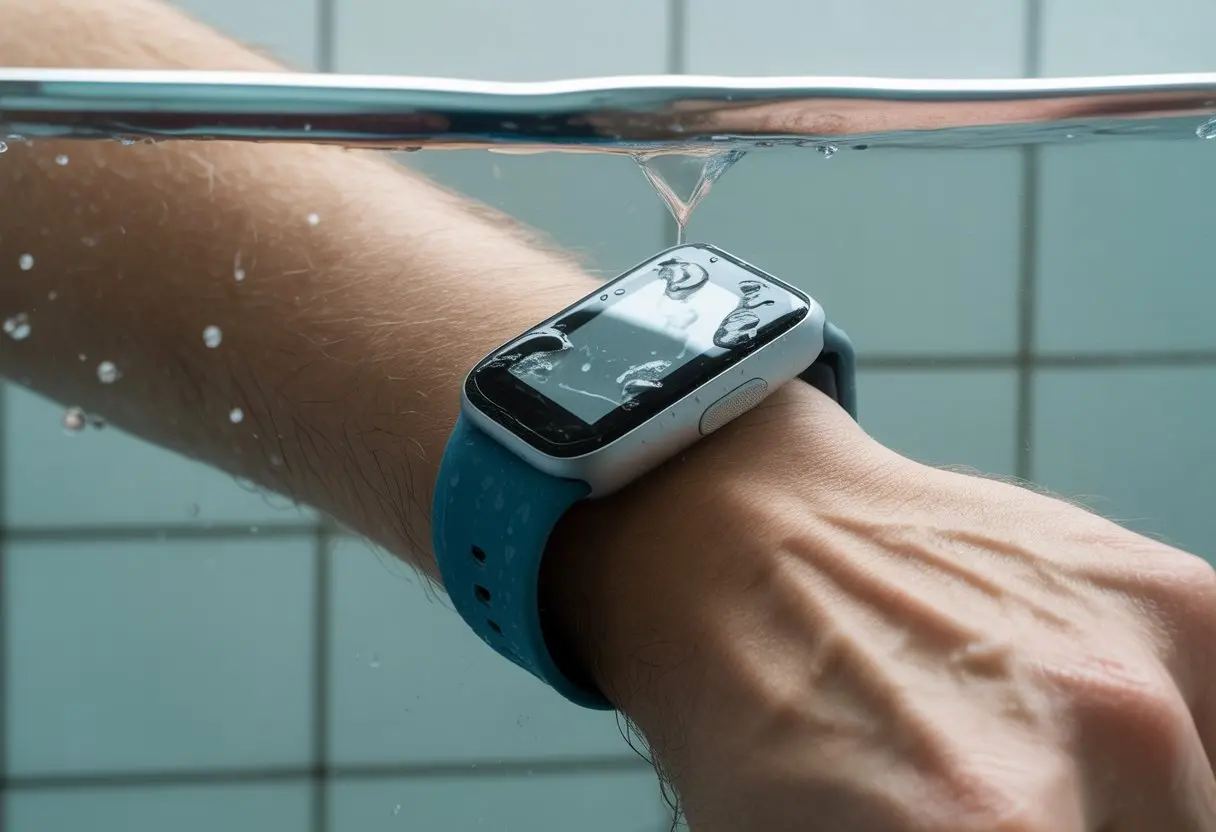
We’ve all spotted that waterproof icon and, honestly, it feels like an invitation—pool laps, sweaty hikes, rainy jogs, even singing in the shower. But months later, there we are, blasting our fitness tracker with a hair dryer and frantically Googling “rice rescue.” Fitness trackers can lose their waterproof magic when seals wear out, seams loosen, or tiny cracks let water sneak in.
Sometimes regular wear and tear does it. Other times, we push our luck, like taking them into a hot tub or steam room. Even brands like Fitbit admit no device stays 100% waterproof forever—they’re just water-resistant for a while.
So, what really happens when our trackers give up? Can we save them? And how do we avoid turning our next one into a soggy mess?
Understanding Waterproof and Water Resistant Ratings
Let’s be real—decoding tiny symbols on the back of our fitness trackers isn’t exactly thrilling. Still, knowing what those waterproof and water-resistant claims actually mean saves us a lot of heartache.
What Waterproof Actually Means
We tend to use “waterproof” and “water resistant” interchangeably, but they’re totally different. Waterproof means you can submerge the device—like, it could join a synchronized swimming team. Water resistant? That’s more like surviving a few raindrops or a quick shower, but definitely not a cannonball.
Manufacturers toss these words around, but unless the tracker specifically says it’s waterproof and lists depth or time limits, we shouldn’t assume it’s up for a swim. Usually, water resistance just covers rain or sweat, not a snorkeling trip. If you read the fine print, “water resistance” often means light splashing—not dunking.
Decoding IP67 and Other Standards
Here’s the nerdy part, but it’s actually useful. Certifications like IP67, ATM, and others tell us what our tracker can handle. The IP in IP67 stands for “Ingress Protection.” The first digit (6) means it’s totally dust-proof. The second digit (7) means it can go underwater up to one meter for about 30 minutes.
Here’s a quick table:
Rating
What It Means
IP67
Dust-tight; up to 1m submersion
5 ATM
Up to 50m; swimming, not diving
Just because it can survive a dunk doesn’t mean we should make that a habit. Over time, those seals and gaskets start to give out, and suddenly our “waterproof” pal is more like a leaky sponge.
Common Misconceptions About Fitness Trackers
We want to believe our gadgets are invincible. But marketing terms trip us up. Most fitness trackers are not fully waterproof—they’re usually just water resistant.
Swimming with a tracker that’s only splash-proof? That’s just asking for trouble. And water ratings don’t last forever. That fresh seal from day one? It gets less effective after bumps, knocks, or a dramatic fall in the gym shower.
Saltwater, soaps, and lotions can sneak in past the seals and cause damage, even if the label brags about a solid water rating. If your tracker suddenly drowns, maybe those ratings were only meant to last as long as your new year’s resolutions.
Reasons Your Fitness Tracker Is No Longer Waterproof
Fitness trackers might brag about water resistance, but plenty of things can ruin that. Our favorite gadgets can end up leaking if we’re not careful, and honestly, sometimes we’re the reason.
Physical Damage to the Tracker
Let’s be honest, most of us aren’t gentle with our gadgets. We bump, drop, and scrape our fitness trackers while running, working, or even just flopping down on the couch.
A cracked screen or dented wristband can let water in faster than a toddler in bath time. Even tiny chips or scratches can break the water-resistant seal inside.
Sudden shocks, like dropping the tracker, stress the joints, seals, and inner electronics. Next thing you know, the waterproof claims start to wash away. Water only needs a tiny entry point. And honestly, who hasn’t whacked their wrist on a table during a wild story?
Worn Out or Damaged Seals
Those little rubber seals inside our trackers? They’re the unsung heroes. But they get tired too.
Water, sweat, sun, and even air can dry out or crack those seals. A tracker that’s gone for too many swims or spent too long in the sauna might lose its powers.
Sometimes, we trust those waterproof ratings way too much. Many trackers are “water-resistant,” not “waterproof.” There’s a difference, and we find out the hard way after a deep pool dive or hot tub session.
Soap, shampoos, and lotions can damage seals and joints. Using the wrong charger on a wet tracker, or not letting it dry fully, can also let water in.
It’s smart to check the manual for what your tracker can actually handle. As people in forums discuss, not all trackers live up to the hype, especially after a few months of tough love.
How Activities and Environments Affect Waterproofing
Our trackers might claim “water resistant,” but after a few adventures, that claim starts to sound as believable as a dog promising not to chew shoes. How we swim, shower, or freeze them actually matters—a lot.
Swimming, Showering, and Water Exposure
When we jump in the pool or run through the rain, we expect our trackers to keep up. Most trackers say water resistant or even waterproof, but that doesn’t mean they’re invincible.
Most can handle swimming laps or showering if we stick to the guidelines. But over time, water sneaks in. Swimming, especially with lots of movement or diving, puts pressure on seals. Tiny cracks can show up. Hot showers or baths make seals expand and contract, inviting leaks.
Let’s talk about temperatures for a second—our trackers don’t love saunas or freezing cold. Extreme heat, like hot tubs or steamy showers, breaks down water-resistant materials. That makes it easier for water to sneak in later, even if the tracker’s dry at the time.
Cold temps aren’t any better. Seals and gaskets stiffen and crack, letting water slip past. If you’ve ever left your tracker in a freezing car, you might notice it acting up after its “ice bath.”
Temperature swings make this even worse. Going from a chilly run to a hot shower puts those poor seals through a lot. Trackers, just like us, prefer comfy conditions and can get cranky when things get too extreme. There’s more detail in this water resistance guide.
Spotting Problems With Your Fitness Tracker
Even the bravest trackers have their limits. When waterproofing fails, we notice issues that almost feel personal.
Signs of Water Damage
If your tracker takes a swim and the waterproof promise disappears, the symptoms don’t hide. The screen might dim or flicker like a haunted house. Sometimes, you press the button and nothing happens except your own disappointed sigh.
Fog or tiny bubbles under the screen? That’s a big red flag. It’s like your tracker wants to be a tiny aquarium. Buttons may refuse to press or feel stuck. Some trackers start randomly restarting or shutting down, so we get more “zen resting time” than we planned.
Moisture in the charging port can make powering up a game of “connect-the-charger-and-hope.” If your tracker saw saltwater or chlorine, corrosion can show up—metal parts get rusty or green, and suddenly you’re wondering if it’s growing mold.
Malfunctioning Heart Rate and Step Tracking
A wet tracker loves to mess with our stats. The heart rate monitor might spit out numbers that would worry a doctor—or impress a rabbit.
You might see the step counter think you ran a marathon just making coffee. Sometimes, it stops counting steps at all. Wildly inaccurate step tracking can make your daily totals as unpredictable as the weather.
If your fitness app shows crazy numbers or a flatline, wet electronics could be causing faulty readings. The sensors get confused, pick up weird movements, or just give up on recording accurate data. When your daily progress looks impossible, your tracker might just be waterlogged and begging for a break.
Brand-Specific Waterproofing: Apple Watch, Fitbit, and More
Every fitness tracker claims some level of waterproofing, but the fine print is where waterproof dreams often sink. Some brands handle water better, but accidents or design flaws can leave even the best gadgets high and dry—or worse, low and soggy.
apple watch and Smartwatches
We all love the shine and flash of a new Apple Watch or a fancy smartwatch. Still, just because the manufacturer calls it a “waterproof smartwatch,” that doesn’t mean we should wear it scuba diving.
Apple Watches usually come with a water resistance rating of 50 meters, but that doesn’t make them invincible. If you drop your Apple Watch or smack it against the wall while racing to the fridge, you might weaken the seals.
Water can sneak inside, leaving you with a not-so-smart watch. Hot showers and saunas? Nope, not a good idea, even with that shiny 50-meter badge.
Most smartwatches can’t handle soapy water or sudden temperature changes. Water resistance is nice, but it has limits, and ignoring them can be a costly mistake.
The fitbit surge Saga
The Fitbit Surge—and a few other Fitbit models—give us hope with their water resistance claims. But real-world stories show that a quick swim or even sweat from a tough workout can sometimes spell the end for our trackers.
The Fitbit community is full of frustrated stories about moisture sneaking into the device. Fitbits may advertise swim features and resistance up to 50 meters, but pressure changes, cracks, or a loose frame can let water slip inside.
Once that happens, the device might fizzle out, leaving you staring at a blank screen and wishing you’d just worn a regular watch for the day.
When GPS Watches Go for a Swim
GPS watches promise tough features and long battery life, perfect for running in the rain or tracking swims. Still, not all GPS watches are ready for a dive.
Lots of brands claim their GPS watches are waterproof, but impacts or worn-out gaskets can ruin that protection pretty fast. If you drop your GPS tracker in the pool, here’s a tip: every bump, scratch, or impact lowers that water resistance over time.
Swim presets are cool, but they don’t turn your gadget into a submarine. Before you show off that cannonball, check what kind of water your gadget actually likes—sometimes it’s just “light rain” and not “ocean adventure.”
Honestly, water and electronics are rarely best friends, no matter what the box says.
Preserving Your Device’s Waterproof Status
Keeping our fitness tracker waterproof sounds simple, but it takes some care. We need to pay attention to cleaning habits and how we treat our device after it gets wet.
Cleaning and Caring for Your Tracker
Proper cleaning keeps your tracker’s waterproof seals working right. When dirt, sweat, or lotion builds up around the band or charging port, it can wear down those seals faster than you’d think.
Wipe your activity tracker with a soft, damp cloth—skip the harsh chemicals and soap. A soft-bristled toothbrush helps get the gunk out of edges and wristband designs where stuff likes to hide.
Don’t scrub too hard; if you do, you might regret it. Once it’s clean, dry the tracker completely before you wear it or plug it in.
Never use a hairdryer or heater; these devices don’t need spa days. Just let your tracker air dry on a towel.
Dos and Don’ts After Water Exposure
If your tracker joins you for a swim or shower, quick action helps. Do rinse the device in fresh water if it touched salt water, sweat, or chlorine—chemicals can eat at the waterproofing faster than you might expect.
Don’t charge your tracker while it’s wet or damp—nothing ruins a routine like fried electronics. Make sure water is out of gaps, holes, or the charging port before plugging it in.
Skip wearing it in the sauna or hot tub; steam and high heat can mess up waterproof seals. If you notice the wristband coming loose, fix it fast, since gaps give water a first-class ticket inside.
Sometimes our trusty fitness trackers go from waterproof champs to leaky sad stories. Figuring out whether to repair or replace them depends on what help you can get and what you want next.
Warranty and Support Options
First, check if you can get help from the manufacturer. Most fitness trackers, like Fitbit or Garmin, come with a one-year warranty, but let’s be honest—we’ve probably already spilled a smoothie on the receipt.
If your device is still under warranty, reaching out to customer support is worth a shot. Brands like Garmin might offer a repair or replacement if you ask nicely (or maybe beg a little).
If the warranty’s expired, some companies like Coros offer paid repairs or swap programs. Check their websites to see if they’ll take pity on your waterlogged tracker.
Before mailing your tracker away, back up your health data or sync it with apps like Garmin Connect. Otherwise, all those hard-earned step counts could disappear faster than your motivation on Monday morning.
Features to Look for in a Waterproof Replacement
If your tracker’s dead and you’re sick of dunking it in rice, maybe it’s time for something new. Don’t just trust any waterproof label—some of them really stretch the truth.
Here’s a checklist I’d use:
Water Resistance Rating: Go for 5 ATM or higher if you actually plan on swimming with it.
Battery Life: Honestly, who wants to charge their tracker every day? Some last for days, but others barely survive until lunchtime.
Health Monitor Functions: Heart rate, sleep tracking, and even blood oxygen sensors are pretty common now.
Call Reminder: Missing calls because you’re doing a cannonball? That’s just annoying.
App Support: Trackers that sync with Garmin Connect or Fitbit’s app make it way easier to check stats and join challenges.
Let’s just make sure the next tracker actually makes it through showers, swims, or that inevitable punch bowl disaster at family gatherings.
Hi, my name is Garrett Jones, and I am a tech enthusiast. I enjoy researching the new tech that has been released, and have a vast knowledge of the best tech to purchase.
From a young age, I have always had a big interest in technology, and this blog is an extension of that interest. Through this blog, I hope to provide others with all of the information they need regarding tech options to consider, and things such as compatibility. Some of the different items I will be discussing include headphones, smartwatches, and how to fix common issues.