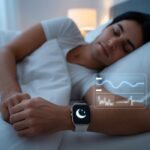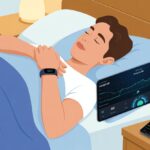
Falling asleep should be easy, right? But for some of us, sleep apnea sneaks in and messes with our rest.
Smartwatches have stepped up their game. They do way more than just count steps now. These little gadgets sit on our wrists, quietly tracking sleep and sometimes picking up on things even our partners miss. Honestly, who saw that coming? Watches acting like tiny, undercover night-shift doctors.
When it comes to sleep apnea detection, smartwatches rely on a mix of sensors. They check your blood oxygen levels, heart rate, and breathing patterns.
But let’s be real—not all watches are up for the job. Some feel more like clumsy nightlights than health helpers. If you’re shopping for one, look for accurate sleep tracking, comfort for those restless nights, solid battery life (because nothing’s worse than your watch dying at midnight), and actual health monitoring approval.
We always check what sensors the watch uses, how readable the data is, and whether it fits without making us wish we had a spare wrist. Privacy matters, too—nobody wants their sleep data floating around out there. We spent a lot of our own nights (and days) testing and comparing smartwatches, so you can save your Zs for actual sleep.
Best Smartwatches for Sleep Apnea Detection
Let’s be honest, we’d all love to sleep like logs, but sometimes our bodies have other ideas.
That’s where smartwatches come in. They keep tabs on us while we snore away. Here are our top picks for catching sleep apnea before our partners have to poke us awake.
Samsung Galaxy Watch 7

If you want to monitor your sleep (and pretty much everything else) without looking like a robot, this smartwatch makes it simple.
Pros
- Sleep apnea detection runs in the background after just two nights
- The sleep tracking actually helps us fix our bad bedtime habits
- Looks sharp enough that nobody guesses it’s a health gadget
Cons
- Some features require a Samsung phone
- Sleep apnea feature isn’t for those already diagnosed
- Takes a week of wear before sleep insights really kick in
We strapped on the Galaxy Watch 7 every night. Honestly, it feels lighter than our guilt after binge-watching late into the night.
Samsung nailed the look—it fits in at work, the gym, or just lounging on the couch.
The sleep apnea detection feature is what got us interested. After a couple of nights, it started sending gentle alerts if it noticed anything weird with our breathing. Sure, it’s not a doctor (and it reminds us), but it gives us a push to talk to a real one if needed.
The sleep tracking helps us figure out what’s ruining our sleep—even if it’s just those midnight snacks.
We do have a couple of gripes. Friends with non-Samsung phones can’t use all the features, so it’s best for Galaxy fans. And waiting a full week for “real” sleep analysis? It feels like watching paint dry.
Still, it’s a great pick for anyone who wants stylish, smart sleep apnea tracking without turning into a data junkie.
BOOOMIC Smart Watch with Alexa

If you’re tired of waking up confused about your sleep but still want to look sharp, this watch could be your new sleep buddy.
Pros
- Tracks sleep quality and heart rate 24/7, so we finally know why we’re tired
- Lets us answer calls and order Alexa around—right from our wrist
- Big, bright display that’s easy to read, even when we’re half-awake
Cons
- Sleep tracking doesn’t offer a medical-grade diagnosis
- Sporty style may not match fancy pajamas
- Tons of features—almost feels like a tiny smartphone on our arm
We tested the BOOOMIC Smart Watch for several nights and days. To our surprise, it’s comfortable and light, and the strap didn’t leave those annoying marks.
Even after a full night, we didn’t feel like we’d slept with a brick on our arm.
The sleep tracking delivers clear, easy-to-read charts in the morning. It finally helped us solve a few sleep mysteries.
We noticed the big, crisp screen right away and spent way too much time swapping out the 100+ dial options. Alexa on our wrist made mornings easier—setting alarms and checking the weather without hunting for our phone is a small luxury.
It’s not a substitute for a doctor if you’re really worried about sleep apnea, but it does give us a solid look at our sleep habits and oxygen levels. Taking Bluetooth calls from our wrist made us feel like secret agents—if secret agents also tracked their steps.
For those who want to keep tabs on sleep without getting lost in the details, the BOOOMIC Smart Watch with Alexa offers a friendly, practical mix of sleep insight and daily convenience.
Mindrose Fitness Sleep Tracker Watch

If you want a feature-packed watch that keeps an eye on your sleep and health without looking like you just left a science fair, this one’s worth a look.
Pros
- Monitors heart rate, blood oxygen, and sleep stages all night
- Battery lasts long enough that we don’t have to stress about charging daily
- Lets us check texts and calls without grabbing our phones
Cons
- Sleep apnea detection isn’t medical-grade (still need to see a doctor)
- Touchscreen can get finicky if our hands are sweaty after a workout
- The app looks like it was built by someone who loves spreadsheets
From the start, we liked how the Mindrose watch fits into daily life without making us look like RoboCop. The sleep tracking watches over light, deep, and REM sleep, so we get a decent idea of how our night went.
We can check heart rate and blood oxygen with a swipe, and honestly, reading messages on our wrist feels a little futuristic.
Battery life is a big plus—we’re not constantly chasing chargers, which is good since we can barely remember to charge our phones. The sleep data isn’t meant to replace a real sleep study, but it’s more than enough to spot patterns—especially if we’re worried about sleep apnea and want something to show our doctor.
The full touch screen is bright and readable unless we just left the gym and need a towel. We get reminders to move, drink water, and swap out watch faces whenever the mood strikes.
The app isn’t pretty, but at least it logs our workouts and sleep without a fuss.
For anyone wanting a budget-friendly, all-in-one health buddy, the Mindrose makes a strong case—especially if practical sleep apnea tracking is on your wishlist.
Motast Smartwatch Sleep Tracker

If you’re after affordable sleep tracking with some nice extras, the Motast smartwatch deserves a look.
Pros
- We can answer calls from our wrist, which always feels a bit futuristic
- Sleep tracking is automatic and gives us useful data through the app
- Super comfy, and the battery outlasts most of our diets
Cons
- Step tracker can get a little too enthusiastic—numbers aren’t always spot-on
- Setup can be confusing, especially for the less techy among us
- Customizing the watch face should be fun, but sometimes it just drags
Wearing the Motast feels like strapping a mini-computer to your arm. The big, clear HD screen is gentle on sleepy eyes, even first thing in the morning.
Making calls is smooth, so we don’t have to scramble for our phones like we used to.
Sleep tracking is surprisingly decent for this price. Each morning, we get a snapshot of our night—whether we drifted into deep sleep or just tossed around.
The “GloryFit” app gives us charts and tips, though we did scratch our heads a couple of times during setup.
It tracks steps, workouts, and lets us control our phone’s music. We wish the step counting was better; sometimes after a stroll, it thinks we ran a marathon.
If you want a versatile daily smartwatch that’s easy on the wallet and can spot bad sleep trends, the Motast earns some real points—even if it occasionally miscounts our steps.
COCO BT2-Z Smartwatch

If you’re out to find a sleep apnea helper that’s packed with extras and a little flair, this one checks off most boxes (though you’ll have to skip the blood pressure readings).
Pros
- Modern look with lots of ways to swap watch faces and straps
- Emergency calls and fall detection add peace of mind—especially for the accident-prone
- Tracks blood oxygen (SpO2) and sleep patterns to help spot nighttime breathing problems
Cons
- Fall detection can be picky and sometimes misses slow or soft falls
- No built-in blood pressure monitoring, which is a letdown if you’re hoping for it
- Some features (like extra bands) might not be as bright or bold as the pictures
When we tried out the COCO BT2-Z, the screen grabbed our attention right away. It’s big, bright, and honestly made us feel a bit fancier than usual.
Swapping out straps to match our mood felt like picking outfits for a tiny, punctual robot friend. There are so many clock faces that even the pickiest among us could stay entertained.
We’ve been on a sleep and oxygen tracking kick lately—mostly to see if our snoring is as bad as our families claim. The BT2-Z lets us keep tabs on SpO2 dips and check our sleep trends.
It’s not a medical device, but it’s really handy for flagging anything weird.
We also liked the emergency features. For those of us who trip over nothing, it’s nice to have.
Just keep in mind, fall detection can be temperamental and isn’t always spot-on. The medication reminder is a lifesaver for forgetful folks.
One thing—those extra band colors didn’t always match what we expected, and that’s a little annoying if you care about your accessories. If you want a stylish smartwatch with a bunch of useful tools (and don’t mind a few quirks), it’s worth a look.
Fitbit Sense 2

If you want to monitor your nighttime oxygen and pretend you’re part-cyborg, this one is a pretty slick choice.
Pros
- Tracks SpO2 and sleep stages—no weird headgear required
- Stress management tools for those “oops, I stayed up too late” moments
- Comfortable enough to wear all night (unless you toss and turn a lot)
Cons
- Most detailed sleep data hides behind a subscription
- SpO2 readings won’t officially diagnose sleep apnea
- Battery drains faster if you use all the advanced features
When we unboxed the Fitbit Sense 2, it looked sleek and felt great on the wrist. Wearing it made us feel like we’d joined a wellness cult, but no one tried to sell us herbal tea.
The sleep and SpO2 tracking worked quietly, and thankfully, it didn’t beep at us in the middle of the night.
Checking our sleep scores in the morning became a weirdly fun routine, even if learning we spent hours in “light sleep” wasn’t exactly a confidence boost.
The health dashboard is packed with charts and tips, but honestly, half the advice is just “get more sleep.” (Easier said than done, right?)
We love the smart alarm that tries to wake us up at a good time—way better than our old, screechy ringtone.
Charging is quick, but if you’re using all the features, the battery won’t last the whole week.
Still, having SpO2, stress alerts, and heart rate tracking on your wrist feels a bit sci-fi. Now, we can keep tabs on our sleep without any awkward chest straps.
Pautios No-Phone Smartwatch

If you want sleep insights without dragging your phone into bed, this smartwatch keeps things simple.
Pros
- No app or phone needed for the basics—just strap it on and go
- Tracks heart rate, SpO2, and sleep for anyone curious about their nightly noises
- Big, bright screen that’s easy to use, even when you’re half-awake
Cons
- For call and message alerts, you still have to connect it with an app (yep, the irony)
- Sleep tracking is basic—it won’t replace a medical device
- No GPS, so your epic sleepwalking adventures stay a secret
Setting up the Pautios watch took less time than making instant noodles. We liked not needing a tech degree or a second phone just to get started.
The touch screen is snappy, which made checking heart rate and SpO2 a breeze, especially for those of us worried about late-night snoring.
Waking up and glancing at our sleep stats became a new habit. The watch gives just enough info to know if we tossed and turned or snored the night away.
It doesn’t dish out fancy apnea graphs, but it’s a solid choice for a quick overview. The band felt comfy, even during wild dreams about running from imaginary homework.
We wish it picked up on more detailed sleep issues, but for anyone who wants less tech fuss, it quietly gets the job done.
If you’re after a straightforward tracker for sleep and steps—no phone in bed required—it’s worth a shot. Just don’t expect it to write your sleep diary.
QONBINK K62 Smartwatch

If you want a feature-packed smartwatch to track sleep and, well, life, this one puts your old nightstand alarm clock to shame.
Pros
- Massive battery—you’ll forget where you put the charger
- Sleep and heart tracking actually work all night
- Lightweight and comfy, so you won’t notice it until a text wakes you up at 3 a.m.
Cons
- Setting it up can feel like a puzzle with missing pieces
- No replies to messages—so you stay mysterious
- Volume control hides so well we wonder if it’s a prank
We wore the QONBINK K62 to bed, half-expecting tech to wake us up. Instead, we slept through the night while it quietly tracked all our snoring stats.
Checking deep and light sleep was easy, thanks to the sharp display right on our wrist. It felt like wearing a tiny, silent, and maybe a little judgmental sleep scientist.
We love the call function. Bluetooth calls sounded clear, even when we answered mid-yawn.
The range is solid, but don’t wander too far from your phone unless you like missed calls. Want to change up the look? We put a goofy dog photo on the background just because we could.
The battery life is almost comical—it lasted so long we nearly forgot it was there. We only wish volume was easier to tweak and the manual explained more.
If you want reliable sleep and health tracking and don’t mind a little button-mashing, the QONBINK K62 is a fun, long-lasting buddy for restless nights.
UAUE-T60 Smartwatch

If you want a smart, stylish watch to help keep an eye on your sleep and health (without emptying your wallet), give this one a look.
Pros
- Lightweight and super comfy for all-day wear
- Sleep and heart rate tracking give a nice health snapshot
- Tons of sports and activity modes to keep you moving
Cons
- Sleep and step tracking isn’t always spot-on
- Menus can feel crowded with all the features
- Screen picks up smudges after snack time
Strapping on the UAUE-T60 Smartwatch always feels like prepping for a spy mission—but with more steps and sleep, less world-saving.
The big, bright screen is easy to read, even when you’re squinting at sunrise. The lightweight design is gentle on wrists, so even folks with smaller wrists won’t feel like they’re wearing a satellite dish.
Making and taking calls straight from the wrist feels pretty futuristic. The real hero is the sleep tracking—when it decides to cooperate.
Some nights, it logs all our tossing and turning. Other nights, it seems to think we didn’t move at all.
It’s hit or miss, but most days, it gives a decent sense of how we’re sleeping.
We like swapping in custom watch faces, and the camera control means group selfies just got easier.
If you’re curious about sleep apnea (and who doesn’t love a good REM cycle check?), this watch helps out—just don’t expect medical-level results or perfect step counts. At least you’ll look sharp while you try!
Quican Smartwatch: Rose Purple Edition

If you’re hunting for a budget-friendly smartwatch that tries to track your sleep (and maybe your mood swings), the Quican honestly gets the job done—though not without its little quirks.
Pros
- Sleep and blood oxygen tracking make us feel like techy doctors.
- Built-in Alexa talks back, so we’re never truly alone.
- Calls and notifications show up reliably on most phones.
Cons
- Sleep apnea detection isn’t medical grade—definitely don’t ditch your real doctor.
- Magnetic charger can be a bit temperamental.
- The band likes to wander, especially if you’ve got slim wrists.
Wearing the Quican feels like having a tiny, overzealous assistant who’s weirdly obsessed with your health. It nags you to move and even chats with Alexa when you’re bored.
The display’s bright and easy to read, so you won’t need to squint at tiny numbers in the middle of the night. Swapping watch faces became a mini-hobby—there’s something for every mood, except maybe “Monday.”
Sleep tracking actually helps us spot patterns in our nightly drama, especially those blood oxygen dips. Is it medical? Not really, but it gives you a clue if you wake up feeling like a deflated balloon.
Comfort is solid, though the band sometimes plays hide and seek around your wrist. Setting it up took just a few minutes, which means you can skip the manual and get right to arguing with Alexa about the weather.
Battery life honestly surprised us. It lasted most of the week unless we left all the monitoring features on. The charger, though, sometimes needs a pep talk before it connects properly.
For the price and everything packed inside, we’re willing to forgive it for not curing our snoring.
Buying Guide
Picking a smartwatch for sleep apnea isn’t just about choosing your favorite color.
You’ll want to look for a few key features—otherwise, you might wake up feeling even grumpier than a cat in a bathtub.
Key Features to Consider:
- SpO₂ Tracking: Look for a watch that checks your blood oxygen at night. Since sleep apnea can mess with your oxygen levels, this feature is a must.
- Sleep Monitoring: The best smartwatches track your sleep stages, not just tell you that you slept like a starfish. The more details, the better.
- Comfort: No one really wants to sleep with a clunky chunk of metal on their wrist. Go for something lightweight with a soft band.
Battery Life: Don’t forget battery life. You need a watch that’ll last the whole night—waking up to a dead watch doesn’t help anyone.
| Feature | Why It Matters |
|---|---|
| SpO₂ Tracking | Monitors oxygen changes |
| Sleep Stages | Detects breathing issues |
| Comfort | Won’t annoy us at night |
| Battery Life | Lasts through the night |
Check compatibility with your phone, too. If your watch and phone don’t get along, you’re basically just wearing a fancy bracelet.
Ease of use matters, especially when you’re half-awake at 2 a.m. Big, clear screens and simple controls make life a lot easier.
Maybe you want extras, like heart rate sensors or vibration alerts. Just remember, it’s easy to go overboard—your wrist can only handle so much tech, right?

From a young age, I have always had a big interest in technology, and this blog is an extension of that interest. Through this blog, I hope to provide others with all of the information they need regarding tech options to consider, and things such as compatibility. Some of the different items I will be discussing include headphones, smartwatches, and how to fix common issues.
- Why do my Bluetooth headphones not block outside sound? Sorry, They’re Not Mind Readers! - October 5, 2026
- How to Use a Smartwatch for Running Without Looking Like You’re Checking Your Stocks - October 4, 2026
- Best Bluetooth Headphones for Long Flights: Ears Happy, Neighbors Jealous - October 4, 2026
Related Posts: