You know the feeling—sitting at your desk, tangled in headphone wires and wondering if you’re secretly training for a circus gig. Good news: we don’t have to deal with that mess anymore. We can connect Bluetooth headphones to our desktop PCs and finally ditch the cable chaos.
Even if your computer didn’t come with Bluetooth, you’re not out of luck. Just grab a Bluetooth USB adapter, and you’ll be wire-free before you know it.
From pairing mode to troubleshooting, the setup is easier than most dance moves—and you can do it all from your chair.
Stick with us; we’ll walk you through sending those headphone wires packing. Your desk’s about to get cleaner, and your ears will appreciate it.
Checking Bluetooth Capability on Your Desktop PC
Before we can blast our playlists wirelessly, we need to check if our desktop can even do Bluetooth. Some desktops have it, others don’t. There are a few quick ways to figure out what we’re working with.
Determining Built-In Bluetooth Availability
Let’s start simple: does our computer have Bluetooth built-in? On Windows 10, hit the Start Menu, type “Device Manager,” and open it.
Look for a category called Bluetooth in Device Manager. If you spot it—and there’s no sad yellow warning icon—your desktop’s already got Bluetooth. If not, well, we’ll need to improvise.
A lot of older desktops just never got Bluetooth. Manufacturers skipped it to save a few bucks, which is, honestly, kind of annoying. If you’re staring at Device Manager and feeling left out, don’t worry, there’s a fix.
If your desktop isn’t one of the lucky ones, don’t stress. You can add Bluetooth faster than pizza delivery. Just grab a USB Bluetooth adaptor (yep, sometimes called a USB dongle).
Plug it into any open USB port. Windows 10 usually recognizes new adaptors and installs the drivers automatically. No need to hunt for a driver CD or call that one tech-savvy cousin.
If Windows doesn’t set things up, most dongles come with a mini-CD (which, let’s be honest, is easy to lose). It’s usually better to just grab the latest driver from the manufacturer’s website.
Enabling Bluetooth via Settings
Once we’ve confirmed Bluetooth is there, we need to turn it on. In Windows 10, open the Start Menu, click Settings (the gear icon), and go to Devices.
On the left, pick Bluetooth & other devices. Make sure the Bluetooth toggle switch is set to “On.”
If the toggle’s missing but Device Manager shows Bluetooth, the device might be disabled. Right-click it in Device Manager and select “Enable.” If that doesn’t work, give your PC a quick restart—classic Windows move.
Before our Bluetooth headphones can vibe with our desktop, we’ve got to get them ready. That means knowing how to start pairing mode, deal with weird passkeys, and—if all else fails—hit that factory reset button.
Activating Pairing Mode
First, let’s get those headphones into pairing mode. This is their way of shouting, “Hey, pick me!”
Most brands make you hold down the power button or a Bluetooth button for a few seconds until a light starts blinking. It’s usually blue or white.
Some headphones even talk or beep to say they’re ready. If your model has some weird button combo, it’s worth checking the manual or the manufacturer’s website.
Keep the headphones close to your desktop. Bluetooth doesn’t have superpowers—it’s not going to connect through a bunch of walls.
Understanding Passkeys and Pairing Codes
Sometimes during pairing, your desktop gets all security-conscious and asks for a passkey or pairing code. No need to panic.
Most headphones use default codes like 0000, 1234, or 1111. If the computer wants something else, you’ll probably find it in the manual or online.
Some devices show a one-time code on both the PC and headphones. Just make sure they match, then hit “connect.” Sony has a helpful guide on pairing Bluetooth headphones if you want more examples.
Resetting to Factory Settings
If your headphones refuse to pair and act like they’re possessed, a factory reset might save the day. This wipes out all old connections and grudges.
Usually, you press and hold two buttons—often power and volume up, or power and play/pause—until you hear a beep or see wild LED flashing. Some brands love complicated button combos, so yeah, the manual comes in handy here.
After resetting, your headphones will be back in “fresh out of the box” mode. You’ll need to pair them with everything again, so keep any passkeys handy for next time.
Connecting Your Bluetooth Headphones to a Desktop PC
Getting your Bluetooth headset working with a desktop isn’t rocket science, but it can take a little patience. You’ll want to make sure the computer’s ready for wireless audio and that Windows 10 actually listens to you.
Step-by-Step Connection Guide
Start by putting your Bluetooth headphones in pairing mode. Usually, hold the power button until you see blinking lights or hear “pairing.”
Make sure your desktop has Bluetooth—either built-in or via a USB dongle. On your PC, open Windows Settings, tap “Devices,” and turn Bluetooth on.
Click “Add Bluetooth or other device,” pick “Bluetooth,” and wait for your headset to show up. When it does, click its name to connect.
After a quick handshake (and maybe a beep), you should be paired up. If it’s not working, double-check your dongle or put the headset back in pairing mode. Bluetooth can be a little moody, but don’t give up.
Selecting the Correct Audio Output
Once you’re connected, you’ll want your music and games to play through your headphones—not your speakers. Right-click the speaker icon in the taskbar and choose “Open Sound settings.”
Under “Output,” select your Bluetooth headphones from the list.
Sometimes Windows gets confused and thinks “Headphones” means “microphone only.” If you see “Headset” (for calls) and “Headphones” (for music), pick Headphones for the best sound.
If you make the wrong choice, just switch back and forth until it sounds right.
For more control, open “Sound Control Panel” and set your Bluetooth device as the “Default Device” for playback. That should keep your music private.
Pairing with Windows 10
Pairing on Windows 10 isn’t always smooth sailing—sometimes it’s easy, sometimes it’s a bit of a headache. First, make sure Bluetooth is on in Settings > Devices > Bluetooth & other devices.
If the switch isn’t there, check your dongle or drivers. Click “Add Bluetooth or other device,” pick “Bluetooth,” and keep your headset close.
Your headset’s name should pop up. Click it to connect and let Windows do its thing.
If pairing fails, don’t freak out—restart the Bluetooth service or unplug and re-plug your dongle. Sometimes you need to remove old headset entries and try again.
Let’s be real—nobody buys Bluetooth headphones just for elevator music or robotic voices on work calls. We want crisp sound and clear calls.
Getting the best audio from your Bluetooth headphones on a desktop PC isn’t hard, but it does help to know a few tricks.
Improving Music Playback Quality
Want your favorite songs to sound better? Start by checking that your PC uses the right audio settings.
Most Bluetooth headphones support the A2DP profile for high-quality stereo music. But if you’re not using it, you’ll end up with that awful “tin can” sound that makes even great tracks hard to enjoy.
Key tips for better music playback:
Set your Bluetooth headphones as the default audio playback device in the sound settings.
Plug in and check the Bluetooth codec. Some headphones prefer aptX or AAC codecs, which can really boost audio quality. You’ll find these options in Windows Bluetooth properties.
If you’re a bit of a nerd (no judgment), try an advanced adapter like a Bluetooth DAC. That way, you can stream even better sound to your headphones. No more blaming your favorite boy bands for bad audio.
We’ve all suffered through calls that sound like they’re coming from a 1998 flip phone. Usually, that’s because your PC switches from A2DP (music) mode to HSP or HFP (headset profiles) for calls.
These profiles let you use the mic, but the audio quality drops fast—kind of like our energy on Monday mornings.
What can we do?
Stick to using only one Bluetooth device at a time. This helps Windows pick the right profile.
Don’t open programs that use the mic unless you’re actually on a call. That way, Windows stays in the better music profile (A2DP).
If calls still sound bad, select the Bluetooth Hands-Free device as input for your mic, and make sure the output device is set to Stereo for audio in the sound settings.
Try restarting Bluetooth or re-pairing your headphones after a call. That usually snaps the audio back to A2DP for music.
For a deeper dive, this Bluetooth audio optimization guide has more tips to help you squeeze every drop of quality from your headphones—even on calls.
Managing Multiple Devices and Troubleshooting
Bluetooth headphones make life easier, but switching between devices or fixing weird connection issues can get frustrating. You’ll want a few tricks to switch devices, solve common Bluetooth drama, and wake your headphones up when they get lazy.
Switching Between Devices
Let’s be honest—Bluetooth headphones have commitment issues. They love jumping between your desktop, laptop, or phone whenever possible.
Some wireless headphones support multi-point connectivity, but most of the time, you’ll need to switch connections manually.
To move your headphones from your desktop to another device:
Turn off Bluetooth on the current device or disconnect the headphones.
Put the headphones into pairing mode (usually by holding the power or Bluetooth button for a few seconds).
On your new device (like a laptop), turn on Bluetooth and pick your headphones from the list.
If you feel like you’re constantly refereeing your own headphones, you’re not alone. Microsoft’s guide on managing Bluetooth devices in Windows covers the basics if you need a walkthrough.
Resolving Common Connection Issues
Ah, the classic “Why won’t my headphones connect?” moment. Here’s a quick checklist to keep your sanity:
Make sure Bluetooth is turned on.
Check that your headphones are charged (seriously, they’re always hungry).
Restart both your PC and headphones.
Remove the headphones from the Windows Bluetooth list, then pair them again.
Sometimes, interference from other devices (that random wireless mouse, maybe?) can mess things up. Unpair any unnecessary devices and try again.
If things still aren’t working, try pairing your headphones with another computer. Maybe they’re just being dramatic.
If your Bluetooth headphones still refuse to cooperate, this how-to for Windows 10 and 11 might help you figure out what’s wrong.
Exiting Hibernation Mode
Everyone needs a nap—your headphones and PC included. But when your desktop wakes up from hibernation, sometimes the Bluetooth connection just won’t.
Here’s what usually fixes it:
Turn Bluetooth off, wait a moment, and turn it back on.
Disconnect and reconnect the headphones.
Restart your PC if nothing else works (honestly, restarting fixes most things).
If your headphones keep having trouble after hibernation, check your power management settings. Windows sometimes tries to “save power” by turning off Bluetooth, but you can tell it to stop in Device Manager.
That way, your headphones are always ready for an encore.
Bonus Round: Tips, Tricks, and Safety Advice
We all want our Bluetooth headphones to last longer, sound awesome, and keep us safe from tech headaches. Let’s run through some simple ways to keep your wireless headphones in top shape and avoid any ear-related disasters.
Maintaining Bluetooth Headphones
Bluetooth headphones aren’t self-cleaning—wouldn’t that be nice? Wipe down the ear pads with a soft, dry cloth after each use.
If you’ve got removable pads, give them a gentle wash every couple of weeks to keep grime away.
Store your headphones in a clean, dry place. Tossing them in a backpack with yesterday’s sandwich? Not the best idea. A carrying case is your best friend.
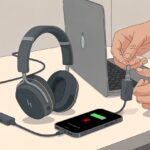
Batteries don’t last forever, but a little care helps. Don’t leave your headphones plugged in all day or let them drain completely before recharging.
Try to keep them charged between 20% and 80%, kind of like you would with your phone.
Firmware updates are like little gifts from Microsoft and headphone companies. When you connect to Windows, check for updates—they can improve connection stability and add new features.
For more about pairing and device care, Microsoft Support has a helpful guide.
Staying Safe While Using Wireless Headphones
Wireless headphones can be sneaky. One minute, you’re jamming out; the next, you might miss your phone ringing—or, honestly, something more serious like a fire alarm.
Try to keep the volume at a safe level, especially if you’re near traffic or hanging out in public. If you can’t hear yourself think, yeah, it’s probably too loud.
Take breaks. Ears need a breather, too.
You might want to try the 60/60 rule: keep the volume at 60% for up to 60 minutes, then give your ears a quick rest. It’s kind of like interval training, but for your hearing.
Watch out for interference. Microwaves, other Bluetooth gadgets, and even Wi-Fi routers can mess with your headphones.
If the sound cuts out, just move to another spot or turn off other wireless stuff nearby. That usually sorts things out.
And here’s a big one: don’t use Bluetooth headphones while charging them. Some models overheat if you try to charge and listen at the same time.
Hi, my name is Garrett Jones, and I am a tech enthusiast. I enjoy researching the new tech that has been released, and have a vast knowledge of the best tech to purchase.
From a young age, I have always had a big interest in technology, and this blog is an extension of that interest. Through this blog, I hope to provide others with all of the information they need regarding tech options to consider, and things such as compatibility. Some of the different items I will be discussing include headphones, smartwatches, and how to fix common issues.