Sticking to a gluten-free diet feels a bit like hunting for clues in every meal. Fitness trackers can jump in as our trusty sidekick, helping us keep an eye on daily habits, workouts, and sometimes even what we eat.
Surprisingly, the right tracker can actually help us stay gluten-free. That is, if we pick the right one.
With fitness trackers promising everything except cooking dinner for us, it’s easy to get overwhelmed. Some trackers now let us log food, scan barcodes, and even remind us about our next meal or those sneaky ingredients hiding in our snacks.
But honestly, not every tracker fits the needs of a gluten-free lifestyle.
We need to look for food-logging features, barcode scanners that actually work, and apps that let us track ingredients easily. Syncing with gluten-free food databases makes life so much easier.
If an app confuses us more than a restaurant menu with no allergen labels, it’s probably not worth our time. We took a look at some top trackers and apps to see which ones actually help us dodge hidden gluten.
Best Fitness Trackers for Gluten-Free Diets
Saying “gluten-free” rolls off the tongue way easier than living it. To help us keep track of steps, sleep, and maybe our secret snacks, we hunted down the best fitness trackers for anyone skipping gluten.
Let’s see which ones can actually keep up with our breadless, busy lives.
Fitbit Inspire 3

If we need a little push to hit our gluten-free goals, this tracker helps us stay on track without getting too bossy.
Pros
- Comfortable and light—sometimes we forget we’re wearing it
- Holds a charge for days (so no awkward midweek charging panic)
- Tracks sleep, stress, and movement—even on late-night gluten-free snack runs
Cons
- GPS only works if our phone comes along—leave it behind and there’s no map
- Syncing can be tricky at first and takes some patience (and maybe a snack)
- Once the Premium trial ends, it wants more money (which, honestly, could go toward gluten-free bread)
We don’t need a fitness tracker that complicates things more than food labels already do. We set up the Inspire 3 and didn’t even have to call tech support. That felt like a win.
The band feels super comfy and didn’t dig into our wrist, even when we wore it while baking (and eating) gluten-free cookies.
Our stats are right there when we want them. We checked our heart rate during yoga, counted steps on gluten-free bread hunts, and tracked sleep after staying up late reading food labels.
That sleep score? Bit of a wake-up call. The tracker never yells, just gives us gentle nudges to move, breathe, and maybe meditate when gluten cravings hit.
The GPS needing our phone tripped us up. If we leave our phone behind to brave the cereal aisle, we lose our route map. Syncing with the app takes some effort, but once it works, it’s smooth sailing.
Just keep in mind, once the free Premium trial ends, it’s not shy about asking for cash—but honestly, most features still work fine without it.
Fitbit Inspire 3

If you want a tracker that’s light, reliable, and makes you feel a little smarter (even if gluten-free bread still stumps you), this is a solid pick.
Pros
- Super comfy, even when we’re juggling almond flour and groceries
- Great for tracking sleep and steps so we don’t nap through meal prep
- Battery lasts so long we forget where the charger is
Cons
- The screen feels small, especially after leg day
- Needs our phone for GPS tracking
- Menus take a minute to learn (we definitely pressed the wrong button… more than once)
We put on the Inspire 3 and instantly felt more productive—even if that meant counting how many times we checked the pantry for snacks. It’s so slim, we barely noticed it under a hoodie or while half-awake doing yoga.
The sleep tracker has been a lifesaver, showing just how little rest we got after “just one more” gluten-free cookie. It’s water-resistant, so we didn’t panic when we forgot to take it off before washing dishes.
Notifications from texts and calls kept us in the loop, though reading tiny text with batter on our hands got… interesting.
The battery just keeps going, which means more time to obsess over steps and heart rate. If you want friendly reminders and a device that demands less than your kitchen scale, this one’s a winner.
TIMU Health Tracker (White)

If you want to keep up with gluten-free workouts without your wallet losing weight, check out this tracker.
Pros
- Tracks heart rate and sleep without missing a beat
- Long battery life means less charging, more living
- Waterproof—so flour washes off your hands, not the device
Cons
- The app feels clunky and takes patience
- Watch face is big if your wrists are small
- Notification settings need some tinkering
We strapped on the TIMU Health Tracker and loved checking our heart rate after sprinting past the gluten aisle. The sleep monitor broke down our slumber into bite-sized chunks, letting us blame “light sleep” for late-night snacking.
Switching up watch faces was more fun than expected. We showed off photos from gluten-free baking attempts, so the tracker doubled as a tiny billboard for our weird hobbies.
Notifications buzzed reliably, so we never missed a message about gluten-free pizza night. Wrestling with the app took some effort, but once it synced, the tracker handled steps and calorie counts without complaint.
The battery lasted over a week, and we didn’t freak when it got splashed in the sink. If you can handle some quirks, this tracker keeps you moving, gluten-free crumbs and all.
FITVII Fitness Tracker

If you want to count more than just gluten-free cookies, this tracker helps us keep tabs on steps and snacks.
Pros
- Heart rate, sleep, and blood oxygen tracking make us feel like we’ve got a mini personal trainer
- Calls and texts straight from the watch—our phones get a break, our pockets thank us
- Smart reminders to move, hydrate, or stop drooling over gluten-free pizza recipes
Cons
- Tiny icons make us squint like detectives
- Plastic band isn’t friendly to hairy arms (ours protested)
- Not waterproof enough for pool show-offs
We threw on the FITVII and realized it’s like having a slightly bossy friend on our wrist. It’s always nudging us to move, drink water, and stop being lazy.
Taking calls from our wrist felt cool—like we were in a spy movie, except the only mission is remembering to stretch. It tracks over 120 sports, though honestly, we’ve tried maybe four.
Sleep insights are detailed, so we started bragging about our “sleeping performance” like it’s the Olympics. The hydration and reminder features actually help us stick to healthy routines.
The tiny icons really test our tapping skills. The plastic band isn’t great for hairy arms, and while it’s fine in the rain, don’t take it for a swim. For daily fitness and gluten-free living, though, it’s a handy little gadget that keeps us moving (and sometimes laughing).
Fitbit Inspire 2 Tracker

If you want a simple way to stay on top of gluten-free goals and daily steps, Inspire 2 keeps us in check without being a drill sergeant.
Pros
- Sleek band—sometimes we forget it’s there
- Quick food and activity insights help us fix snack habits
- Weekly reports nudge us gently in the right direction
Cons
- Nutrition tracking is a bit broad for strict gluten-free details
- Syncing hiccups sometimes make us question our Wi-Fi
- Tiny screen—good eyes or reading glasses required
Tracking our gluten-free journey sometimes feels like sneaking around ingredient lists, and any slip-up feels dramatic. With Inspire 2, we actually get a break.
This slim tracker sits on our wrist, quietly tracking steps, heart rate, and all that good stuff. It gives us gentle nudges if we’ve been binge-watching gluten-free recipe videos.
The app is where it shines. We log all our meals (yes, even those late-night gluten-free cookies) and see some useful insights on calories in and out.
The food tracking isn’t made just for gluten-free diets, but it still helps us reflect on choices without guilt. Sleep tracking is surprisingly helpful—turns out, gluten-free food isn’t the only reason we’re tired.
We do have some gripes. The screen is tiny, and scrolling through menus in a rush feels like cracking a secret code. Sync issues pop up sometimes, but a quick restart usually fixes things.
If you want a low-stress, reliable tracker to nudge you toward fitness and gluten-free living, Inspire 2 holds its own. Just don’t expect it to magically tell you which snacks are gluten-free!
RUXINGX Tracker Watch

If you want a reliable fitness tracker that won’t drain your bank account or clash with your gluten-free granola, this one’s honestly a solid choice.
Pros
- Comes with four colorful, comfy straps, so your wrist never gets boring.
- Tracks heart rate, sleep, and steps all day—no excuses.
- The battery lasts longer than a box of gluten-free cookies.
Cons
- Big screen sometimes struggles to fit under tight sleeves when you’re sneaking snacks.
- The app instructions? Could be way clearer.
- You can’t reply to messages or take calls on the watch—which is a bummer if you love multitasking.
Swapping bands on the RUXINGX Tracker Watch feels like you’re giving your wrist a fresh new look every time. Whether you’re heading out for a run or just racking up steps while searching for the best gluten-free bread, the lightweight design makes it easy to forget you’re even wearing it—well, until you catch a flash of color in the supermarket mirror.
This watch tracks the basics—steps, heart rate, and even blood oxygen—pretty quickly. Setting it up with your phone is about as simple as mixing pancake batter, and it keeps you on track with exercise goals. There’s even a reminder to drink water, which is more hydration help than any loaf of gluten-free bread ever gave.
The directions could really use an upgrade. We fumbled with the app at first, and honestly, not being able to answer texts from the watch stings a little. Still, the battery life is legendary; you’ll charge it about as often as you stock up on gluten-free snacks. If you’re into tracking fitness and lifestyle changes and love colorful accessories, this one’s worth a look.
Wontrum Health Fitness Tracker

If you want a fun way to track fitness and keep tabs on your gluten-free lifestyle, this smartwatch could be the buddy you never realized you needed.
Pros
- Tracks more health stats than your last group chat.
- Huge variety of exercise modes—128, if you’re counting.
- Bright, colorful screen is gentle on tired eyes.
Cons
- Menus can get a little overwhelming at first.
- Strap color may not match everyone’s breadbox.
- App notifications can get a bit clingy.
When we fired up the Wontrum, that cartoon-bright screen almost made us forget about our diet (well, almost). Scrolling through the interface, we watched it track everything from steps to heart rate, with more graphs than senior year math class.
Syncing with the app is straightforward, but get ready for a barrage of reminders about hydration and movement—it’s like having a well-meaning parent on your wrist. Switching between exercise modes is easy, whether you’re walking, running, or attempting yoga (without gluten, obviously).
The tracker logs calories and sleep, and even gives you a score for tossing and turning. For us, the sleep tracking came in handy when late-night snacking wasn’t on the menu.
With a battery that lasts over a week, you’ll spend less time looking for a charger and more time searching for gluten-free snacks. The waterproof rating means you won’t panic if it catches a splash of almond milk. If you want health data at your fingertips and enjoy a dash of pink, this could be a fun, helpful piece for your gluten-free journey.
Amzhero Fitness Tracker

If you want an affordable tracker for gluten-free meal monitoring and basic fitness, this is a decent pick. Just don’t expect perfection.
Pros
- Tracks heart, blood oxygen, and even stress—great for food-related anxiety.
- Waterproof and lasts nearly two weeks between charges.
- Handy reminders and daily goals help keep your gluten-free life on track.
Cons
- Setup feels like solving a Rubik’s Cube, only less fun.
- You have to push a button to wake the screen (our lazy thumbs protested).
- Step counts sometimes seem suspiciously high, even after a “walk” to the fridge.
Sliding this fitness tracker on felt surprisingly comfy. Thanks to two band sizes, our wrists stayed rash-free, even on the busiest grocery run days.
Syncing to our phone took a few tries (and a few muttered words), but eventually the app shared all our gluten-free progress—and sleep data that made us question late-night snack decisions. Notifications buzzed just right, so we caught every text about gluten-free pizza parties.
Workout variety is decent, with enough modes for daily activities. We wouldn’t trust it for marathon tracking, though.
Battery life impressed us most—charging is basically a bi-weekly event, which is more than we can say for bread shopping. If only the step counter was as realistic as our gluten-free baking. It’s a budget choice for anyone chasing healthy habits and a clear conscience.
Garmin vívosmart 5 Fitness Tracker

Grab this fitness tracker if you want simple tracking for active, gluten-free living without any real hassle.
Pros
- Feels light and comfy, even during sweaty workouts.
- Battery lasts long enough that you’ll forget to worry about charging.
- Tracks sleep, steps, stress, and hydration, so you know if skipping bread is working.
Cons
- Display is bright but still small—not ideal for reading texts.
- Some features need setup in the app, which takes a bit of time.
- Larger than the last model, so it’s not as sleek on skinny wrists.
With the Garmin vívosmart 5, you get a lot of helpful fitness insights without feeling overloaded by tech. It’s easy to wear all day—no chunky gadgets dragging you down when you’re counting gluten-free steps or tracking calories.
Switching from older models or other brands, we noticed this one tracks activity pretty closely. Hydration reminders pop up, usually when we’re more interested in snacks than water.
The sleep and stress tracking is cool, especially when you wonder if that gluten-free pizza before bed caused those weird dreams. The only real letdown is the screen, which can be tough to check during fast walks.
Some setup is needed in the app, so you’ll spend a bit of time tinkering before everything works. Still, for a tracker that doesn’t try too hard, the vívosmart 5 keeps motivation up without making you feel like a robot.
Auxiou Fitness Tracker
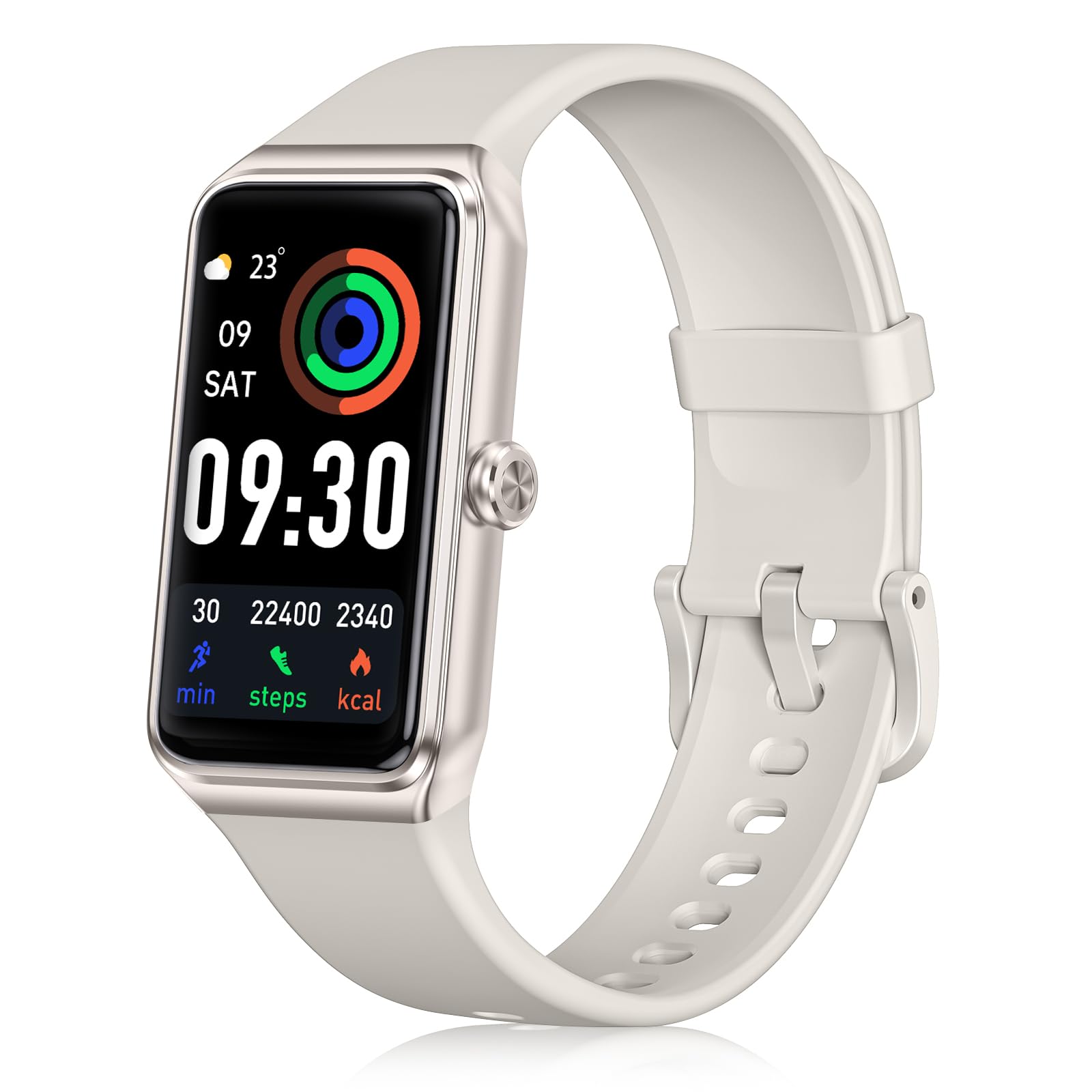
If you want to keep tabs on your health, dodge gluten traps, and look good while doing it, this tracker checks most of the boxes.
Pros
- Tons of sport modes, so boredom doesn’t stand a chance.
- Health monitoring lets you play doctor (in a fun way).
- Battery lasts long enough that you’ll forget where the charger went.
Cons
- Screen might feel a bit small for some.
- Waterproof, but don’t take it deep sea diving (sorry, mermaids).
- App learning curve might have you wishing for a degree.
When we strapped on the Auxiou Fitness Tracker, the first thing we noticed was how light and comfortable it felt—even when we forgot to take it off after a late-night gluten-free pizza binge.
The different exercise modes had us testing yoga balance, sweating in the park, and even trying a clumsy round of martial arts in the living room (no, you can’t see the video). We really like how it tracks heart rate, blood oxygen, sleep, and even stress—especially when we’re scanning restaurant menus for hidden wheat.
It’s given us some handy reminders, like when to drink water and move around, which means guilt-free couch time is officially over. Juggling all the notification settings can feel overwhelming at first.
Once you get the hang of it, though, it’s nice to get texts and calls right on your wrist, no phone fumbling needed. If you want a simple way to track fitness routines and keep your gluten-free lifestyle on track, the Auxiou has a lot going for it.
Buying Guide
Picking the best fitness tracker for our gluten-free journey can feel like a weirdly personal decision. We want something smart, but not so smart it feels like it’s judging our pizza cravings.
Let’s hunt for trackers with good food logging. If entering our gluten-free snacks turns into a puzzle, forget it. An easy app will save us so much frustration.
Check if the tracker does more than count steps. We should look for features like:
- Calorie tracking
- Water intake reminders
- Sleep monitoring
These perks basically give us a helpful (and less judgy) gym buddy on our wrist.
Here’s a quick comparison table for what we should watch for:
| Feature | Why It Matters |
|---|---|
| Food Logging | It’s the easiest way to monitor gluten-free eating |
| Syncing With Apps | Great if we already love a food diary |
| Battery Life | Charging it every day? Hard pass |
| Alerts/Reminders | Keeps us from skipping meals or entries |
Let’s not ignore comfort. If the tracker feels like a medieval torture device, who cares about the features? Adjustable bands or a lightweight design really make a difference.
We might want water resistance too. Bread crumbs are annoying, but water damage? Nope. We need our tracker to survive hand-washing or a random downpour.
Before buying, let’s compare prices and skim some reviews. Sometimes the fanciest tracker just piles on features we’ll never touch—or costs more than our monthly gluten-free bread.

From a young age, I have always had a big interest in technology, and this blog is an extension of that interest. Through this blog, I hope to provide others with all of the information they need regarding tech options to consider, and things such as compatibility. Some of the different items I will be discussing include headphones, smartwatches, and how to fix common issues.
- The Best Rugged And Waterproof Smartwatches - October 21, 2026
- 10 Best Military Smartwatch – Find The Best Tactical Military Watches in 2023 - October 20, 2026
- Are Wired Headphones Safer Than Bluetooth? A Friendly Guide - October 20, 2026
Related Posts: