Let’s be real—using a fitness tracker for gluten tracking sounds a bit like wearing socks with sandals. It’s not the first thing that comes to mind! Still, these gadgets can actually help us manage our gluten-free lives, even if they can’t slap the cookie out of our hands.
We can track meals, symptoms, and trends right on our fitness trackers to spot patterns and dodge those accidental gluten bombs.
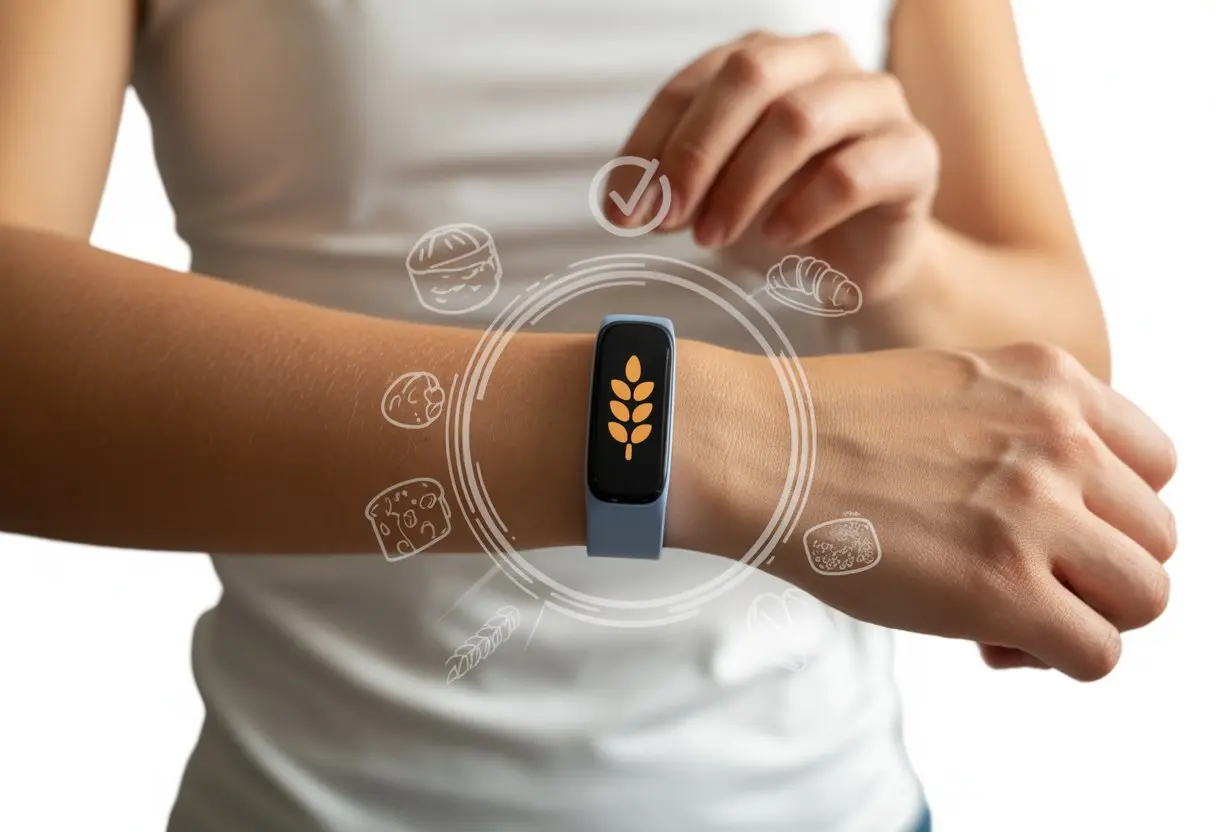
We can use the food diary or note features most trackers offer. Logging our meals and how we feel afterward means fewer mysterious stomach aches sneaking up on us.
Whether we’re logging gluten-free pizza or tracking when our bodies sound the gluten alarm, technology’s here to keep us honest (and gluten free).
If we want gluten tracking to be as easy as counting steps, it’s time to let our fitness trackers do some of the heavy lifting. Because, honestly, who remembers what they ate last Thursday?
What Is a Fitness Tracker and Can It Really Track Gluten?
Fitness trackers count steps, track sleep, and measure heart rates. They definitely don’t track that sneaky gluten that can make us feel like we swallowed a brick.
Some gadgets and apps let us log our food, but they won’t sound an alarm when we accidentally eat a crumb-filled cookie. If we want to track gluten, we need to know what these devices can actually do.
How Fitness Trackers Work
We wear fitness trackers on our wrists or clip them to our clothes. They count steps, monitor heart rate, record movement, and even keep track of sleep patterns.
Sensors like accelerometers and heart rate monitors do the work. But they’re not mini-labs for gluten.
Most trackers connect to our phones, where we check stats. Some track workouts or calories. But gluten tracking? That science just isn’t there.
We can journal food in an app, but no fitness tracker will test our pizza for hidden wheat. It’s about activity, not allergies.
Here’s a quick look at what fitness trackers can measure:
| Feature | Gluten Detection | Steps Count | Heart Rate | Calories Burned |
|---|---|---|---|---|
| Fitness Tracker | No | Yes | Yes | Yes |
Common Myths About Gluten Detection
There’s this rumor that smartwatches and fancy rings can warn us if we eat gluten—nope, they really can’t. No matter how high-tech, wearables can’t sniff out gluten like a superhero sidekick.
Fitness trackers might show odd changes, like an increased heart rate or poor sleep if we’re feeling sick. But they can’t say, “Aha! You ate gluten!” That’s just wishful thinking.
If our fitness data changes after getting “glutened,” it’s a coincidence. We probably still have to blame the breadsticks.
Some folks hope future trackers will directly detect gluten. Honestly, we’d love that, but current science just laughs. Don’t expect your step counter to morph into a gluten detector anytime soon.
Role of Mobile Apps in Gluten Tracking
Mobile apps are the real heroes for tracking our gluten-free adventures. Some apps help us log what we eat, search for gluten-free foods, and even scan barcodes at the store.
These apps can track symptoms or meals we’ve entered, so we can spot patterns. A few let us create food diaries or note when we feel sick, which helps us see possible gluten exposure.
Tools like Gluten Diary 3 let us visualize and document our progress. Grocery shopping aids like Celitax help organize gluten-free purchases.
But again, no app will actually test our food for gluten. Apps and trackers work best together: we move, we log, we learn, but we still need to read those labels!
Pairing Your Fitness Tracker With Wellness Apps
Gluten tracking can feel like a maze. Technology makes it way less stressful.
When we pair our fitness tracker with the right wellness app, we get better data and maybe even fewer surprise gluten slip-ups.
Finding the Best Gluten Tracking Apps
First things first: we need an app that tracks gluten intake (and isn’t boring). Fitbits count steps like Olympic judges, but they won’t tell us if our lunch was secretly gluten-loaded.
That’s where food-tracking apps step in.
Top picks:
- MyFitnessPal: Scan barcodes and log meals, making it easy to spot gluten.
- Yazio: Offers gluten tracking and recipes, so we don’t have to Google every snack.
- Cara: Designed for tracking food sensitivities, so it’s handy if gluten is our nemesis.
Look for apps that let us filter or search for gluten-free foods, add custom meals, and alert us to possible gluten ingredients. Many food-tracking apps have free versions, and the best ones sync with our fitness tracker.
Syncing Fitness Data for Accurate Insights
After we pick an app, syncing comes next. If our tracker counts calories and exercise, our wellness app can link with it to show a full picture of our habits.
It’s like organizing our life, but with more charts and fewer sticky notes.
Most platforms offer a sync or connect feature in the settings. For example, Google Fit supports linking with different apps and devices, collecting info about steps, sleep, and more.
Here’s a basic checklist:
| Step | What to Do |
|---|---|
| 1 | Open our mobile app and go to settings |
| 2 | Look for “Connect Device” or “Sync Data” options |
| 3 | Select our fitness tracker from the menu |
| 4 | Authorize access if prompted |
Once things are synced, we get more useful graphs and insights about how gluten, exercise, and sleep add up in our wellness journey.
Popular Devices Like Fitbit Charge
Let’s be honest: not all fitness trackers are created equal. The Fitbit Charge is a crowd favorite because it works with tons of wellness and food tracking apps.
We can see our step count, calories, and heart rate, then send that straight into apps like MyFitnessPal or Yazio.
Other big names include the Apple Watch, Garmin, and Samsung Gear. The key is finding a tracker that feels good on our wrist and works with our favorite apps.
If we hit any snags, we can check brand guides or short video tutorials like this quick guide for syncing fitness trackers. Our goal: less fiddling, more tracking, and hopefully less gluten drama.
Logging Gluten Intake Effectively With Your Tracker
Tracking gluten with a fitness tracker helps us spot patterns, meet our nutrition goals, and avoid awkward bathroom emergencies.
By logging gluten, we keep ourselves more accountable. We might even impress our doctor at our next appointment.
Manual vs. Automatic Logging Methods
Let’s be honest—most fitness trackers aren’t psychic, so they need us to pitch in. For gluten tracking, manual entry still rules.
We log each meal or snack and check ingredient labels for anything suspicious, like wheat, barley, or rye. Some apps, like mySymptoms Food Diary, let us note what we eat and if any symptoms pop up.
A running log helps spot sneaky gluten bombs hiding in sauces or “healthy” cereal bars.
Automatic logging would be a dream—imagine waving a breadstick at your phone and it yells, “Gluten Alert!” Sadly, we’re not there yet.
Some apps can scan barcodes and show basic nutrition facts, but most won’t scream about gluten unless the manufacturer provides the info. Until AI gets better at reading grandma’s secret casserole recipe, manual logging—plus a lot of Googling—is still the way.
Setting Up Daily Gluten Limit Reminders
If we want to stay on top of gluten goals, reminders are our best friend. Setting a daily gluten intake goal in our fitness tracker or diet app nudges us to avoid cheating.
We can use the app’s calendar or a custom alert to remind ourselves. Nothing says “motivation” like a buzzing phone at lunchtime screaming, “Back away from the bread basket!”
Setting alarms for meal times helps, too, especially for those of us who forget lunch when working hard. Use notification features depending on what your tracker supports.
If the app lets us track macros, we can tweak it to create a field or note for gluten content. Some trackers allow us to set a custom “limit” alert, which warns us when we’re getting close to our daily gluten cap—kind of like a bank app yells when funds run low.
This helps us stay in line with our fitness goals without the drama.
Tracking Diet, Meals, and Supplements
Juggling gluten-free meals, tracking what we eat, and remembering vitamins can feel like running an obstacle course—with bread as the enemy! A fitness tracker and a bit of planning help us keep it all organized, so we don’t accidentally sabotage our goals (or our stomachs).
Creating a Gluten-Free Meal Plan
Let’s be honest, planning gluten-free meals is way more fun than waiting for food regrets to kick in. Using a meal plan helps us dodge last-minute decisions and those dreaded label-reading meltdowns at the store.
We can list out breakfasts, lunches, dinners, and snacks for the week, shopping only for safe foods.
A good tip is to use a table or meal tracker app to organize everything. Here’s a super simple example:
| Meal | Main Dish | Side | Snack |
|---|---|---|---|
| Monday | Grilled chicken | Quinoa salad | Apple slices |
| Tuesday | Stir-fried tofu | Brown rice | Rice cakes |
Tracking apps let us log meals and scan barcodes, so we know if that mystery sauce is gluten-free. Some nutrition and fitness apps even let us save favorite recipes or make a meal plan calendar, making life easier.
For more ideas, check out this guide to gluten-free meal planning.
Using Trackers to Monitor Supplements
Remembering supplements can be just as hard as saying “gluten-free” at a pasta bar. Our fitness trackers can help us keep tabs on daily vitamins or special supplements—because, let’s be honest, we forget sometimes.
Most trackers or food journal apps have a section to record supplements. Some even remind us to take them—no more blaming “bad memory” when we skip a protein shake.
We can set reminders in our tracker for everything from probiotics to vitamin D drops. Journals also let us log how we feel after taking a supplement, which is a game changer if we’re testing something new.
Using a fitness and nutrition tracking app like MyFitnessPal makes tracking easier and helps us spot patterns between supplements and how our bodies feel.
Check out some of the top nutrition and fitness apps for supplement-tracking features.
Incorporating Workouts and Physical Activity
Staying active isn’t just about burning off that extra slice of gluten-free cake. Exercise can totally change how our bodies feel after eating gluten—and it helps us keep tabs on our movement with a fitness tracker.
Let’s figure out how to blend workouts, physical activity, and gluten tracking without making things complicated. Or, at least, without sweating buckets.
How Exercise Impacts Gluten Sensitivity
If you’ve got gluten sensitivity, the way you move really does matter. Exercise bumps up blood flow and helps digestion, which sometimes means less bloating and stomach drama after meals.
Athletes often say they feel more energetic and bounce back faster after ditching gluten. No workout will magically erase a gluten accident, but regular activity can help us notice when something feels off.
A workout makes food reactions more obvious because we tune into our bodies. And honestly, stretchy pants after a sweat session? The best.
Here are a few things you might want to try:
- Low-impact exercise: Walking, yoga, or swimming are gentle on sensitive stomachs.
- Stay hydrated: Drink water before, during, and after you move.
- Watch out for fatigue: If gluten makes you tired, maybe skip the marathon and rest up.
Logging Workouts in Your Fitness Tracker
Fitness trackers aren’t just step counters—they’re like tiny, opinionated coaches on our wrists. Logging workouts helps us see how activity fits with our eating habits, especially when we’re tracking gluten.
When we keep a record, it’s easier to spot patterns between gluten and how our bodies react. Most fitness trackers make this pretty simple.
- Tap “Add Workout” and pick your activity.
- Enter how long and how hard you went.
- If you notice weird symptoms after gluten, jot a note in the tracker.
Recording workouts gives us a snapshot of our day. Maybe you’ll spot that running after gluten-free toast feels better than lifting after sneaky pizza.
Some apps and trackers pull together exercise, meal logs, and health notes for a clearer view—check out this example of fitness trackers integrating with health and wellness apps.
The Magic of 20 Minutes of Daily Movement
Finding time for workouts isn’t easy. But squeezing in just 20 minutes of movement each day can really make a difference.
Even short bursts of activity help with digestion, lift our mood, and support overall health. We don’t need fancy gym gear or a personal trainer.
Here are a few quick ideas:
- Dance in the kitchen while making gluten-free snacks.
- Take a brisk walk after lunch.
- Do bodyweight squats or stretches during TV commercials.
Even on busy days, our fitness trackers nudge us to move and track progress. That daily 20 minutes adds up, making it easier to see how food and exercise shape how we feel—one step at a time.
Monitoring Calories and Hydration for Better Gluten Tracking
When we use a fitness tracker for gluten tracking, calories burned and water intake matter more than we might think. Staying on top of both helps us make smarter choices and keeps our bodies running smoothly, especially if we accidentally eat gluten and want to recover.
Why Tracking Calories Burned Matters
Let’s be real: food labels rarely make gluten obvious. So, our fitness tracker becomes our sidekick.
By logging calories burned, we can match meals (and surprise snacks) to our activity level. This helps us avoid “calorie surprises” that could hide gluten.
If we work out more and burn extra calories, our appetite grows—and sometimes, so does the urge to grab a random snack. The trick is to use our tracker to check daily calories burned and balance it with gluten-safe foods.
Some trackers, like Fitbit, let us log meals and snacks, making it easier to spot patterns if gluten sneaks in. Keeping tabs on both exercise and food intake makes us feel like nutrition detectives—with gadgets.
The Role of Water Intake and Hydration
Drinking enough water isn’t just for athletes or folks with giant water bottles. Hydration can help our bodies flush out gluten faster if we eat it by mistake, so the tracker’s hydration feature is actually pretty useful.
Many tracking apps remind us to log every glass or bottle we drink. Proper hydration also helps digestion, which is huge for anyone avoiding gluten mishaps.
Using a tracker that lets us log water and set reminders means we’re less likely to forget to drink. Some nutrition and hydration apps make it simple, keeping our gluten radar sharp and energy up—plus, our skin gets a nice glow. Can’t complain about that.
Analyzing Sleep Quality and Overall Wellness
We’ve all stared at our fitness tracker at 2 a.m. and wondered: is this restless tossing from gluten-filled pizza or just…life? Fitness trackers do more than count steps—they help us notice things about our sleep and wellness we’d probably miss.
Does Gluten Affect Sleep? Let’s Not Snooze on This
Nothing ruins sweet dreams quicker than eating gluten when we shouldn’t. Some of us get bloating, cramps, or indigestion after gluten, and those symptoms can seriously mess with our sleep.
It’s not just about how long we’re in bed, but how well we actually sleep—like how many times we wake up, how restful our deep sleep is, and how much tossing and turning we do.
Our trusty fitness tracker can spot episodes where we’re not sleeping as soundly. It shows us patterns of restlessness or interruptions in our sleep cycle.
Sleep trackers help us figure out if gluten lines up with those rough nights. We just need to compare food logs with sleep records and play detective.
Using Wellness Metrics for Gluten Awareness
Fitness trackers give us more than just sleep data. Let’s not ignore all the other numbers on those little wrist gadgets.
Tracking our heart rate at night, noticing if we feel run down, or spotting dips in our energy might show if gluten is bothering us. It’s easier to spot trends when we look at these numbers over time.
Try making a simple table to compare nights with gluten to nights without:
| Day | Gluten Eaten? | Sleep Score | Restlessness | Mood AM |
|---|---|---|---|---|
| Monday | Yes | 64 | High | Grumpy |
| Tuesday | No | 82 | Low | Better |
By tracking these wellness metrics, we can make better choices—maybe even resist the midnight glazed doughnut. And if nothing else, our fitness tracker gives us something else to check before bed.
Setting and Achieving Fitness and Gluten-Related Goals
Let’s be honest—sticking to fitness goals is tough. Add gluten tracking to the mix, and things get a bit more complicated. Maybe even a little more interesting.
Customizing Gluten Alerts and Notifications
Remembering every single thing we eat is tough—especially when someone brings fresh pizza to the office. That’s where customized reminders really help.
Most fitness trackers or their apps let us set alerts to remind us to log meals or double-check ingredients. We can even set a notification like, “Did that snack have gluten?”—just in case we forgot to ask.
Some advanced trackers let us add custom foods or allergens. Every time we scan or enter a food, the tracker throws up an alert if gluten’s in the ingredient list.
If we keep missing alerts because they’re too quiet, let’s turn up the sound or pick a bolder color. Our fitness tracker isn’t just counting steps—it’s keeping an eye out for sneaky gluten, too. Tools like these help us stay ahead of accidental slip-ups, and might even save us from some unpleasant surprises.
Maintaining Motivation and Accountability
Let’s be honest—staying motivated gets a lot easier when we’re not going it alone.
We can set clear, realistic goals with milestones, just like Holland & Barrett suggests.
Here’s a quick table to help us keep our eyes on the prize:
| Goal Type | Example |
|---|---|
| Fitness | Walk 8,000 steps a day |
| Gluten-free | Log every meal for two weeks |
When we celebrate small wins, like nailing a week of gluten tracking, it actually feels pretty awesome. Maybe not superhero-level, but hey, it counts.
Friendly competition and community support work wonders. Why not ask a workout buddy to peek at our logs or hop into an online group?
Accountability turns gluten-tracking into a team effort. Plus, it’s just more fun to laugh (or grumble) about cravings together.

From a young age, I have always had a big interest in technology, and this blog is an extension of that interest. Through this blog, I hope to provide others with all of the information they need regarding tech options to consider, and things such as compatibility. Some of the different items I will be discussing include headphones, smartwatches, and how to fix common issues.
- How to Get Text Messages on Fitbit Versa 2 Android: Simple Guide for Users - October 13, 2026
- Why Doesn’t My Fitbit Record My Sleep? Quick Troubleshooting Guide - October 13, 2026
- How to Change Face on Fitbit Versa 2: Quick and Easy Guide - October 12, 2026
Related Posts: