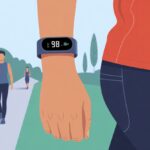
With the right smartwatch set up, you can keep tabs on your pet and finally stop sprinting through the streets in pajamas, yelling names like a maniac.
Using a smartwatch for pet tracking isn’t just for tech nerds—it’s for anyone who’s had their dog or cat go on a “surprise” adventure.
You can use features like GPS and pet tracking apps to check your pet’s live location right from your wrist. That means less panic, more chill, and way fewer embarrassing pajama runs.
Honestly, our furry escape artists might have finally met their match. If you’ve ever wished you had superpowers to keep up with your wandering pets, learning to use your smartwatch for tracking is probably as close as it gets.
Why Use a Smartwatch for Pet Tracking?
Let’s be real: pets are fast, sneaky, and sometimes way too clever.
Using a smartwatch takes out the guesswork when you’re wondering where your furry little troublemaker disappeared to.
Benefits for Pet Owners
Everyone knows that gut-dropping moment when the dog gets suspiciously quiet or the cat slips out the door.
With smartwatches that track pets, you get live location updates. No more running through the neighborhood in socks, bribing with treats, or calling out into the bushes.
A lot of these gadgets do more than GPS. Plenty of smartwatches and activity trackers let you monitor your pet’s movements, naps, and sometimes even their heart rate or calories burned.
Some models, like the Minitailz smart watch for dogs, let you check your dog’s health and activity straight from your phone.
That means you’re not just tracking them—you might even catch early warning signs if something’s off.
You get peace of mind knowing there’s a digital breadcrumb trail if your pet decides to bolt.
And, let’s be honest, it’s fun to show off how active (or lazy) your pet is by sharing those stats.
Advantages Over Traditional Pet Trackers
Old-school trackers still exist, but let’s face it—they’re usually chunky and kinda limited.
Most need frequent charging, and some only show the last known location instead of real-time updates.
With a smartwatch, your dog’s wild escapades stream right to your wrist or phone, usually with more accurate GPS.
Many smartwatches connect to apps on your watch or phone, so checking in is a breeze.
No more digging for a keychain tracker or logging into some random website. Some Garmin watches even include a Dog Tracking Glance for extra convenience.
Here’s a quick comparison:
Feature
Smartwatch
Traditional Tracker
Live GPS Updates
Yes
Often Delayed
Activity Monitoring
Yes
Rare
Health Data
Sometimes
No
Easy Access
On Wrist/App
Keychain/Website
If you want real-time info, health stats, and something easier to use, a smartwatch usually takes the win.
Unless your pet’s secretly a tech genius, of course.
Choosing the Right Smartwatch and Devices
You can’t just strap any old gadget on your pet and call it a day.
If you want to track them without getting lost in tech headaches, you’ll need to pick smartwatches and trackers that actually work together.
Compatible Smartwatch Brands and Models
Not every smartwatch can play pet detective.
If you’re using an Apple Watch, here’s the deal: it doesn’t track pets directly since it wasn’t built for four-legged texters. But, it works for monitoring activity if you use apps that sync data from pet trackers.
Garmin devices are a different story. Models like the Fenix and Instinct series support Garmin GPS tracking and include dog tracking features.
Just pair them with a compatible tracker, and your watch becomes a pup radar. Samsung Galaxy Watches can use third-party apps to alert you if your pet escapes, but it depends on the model and the app.
Here’s a quick look:
Smartwatch Brand
Pet Tracking Support
Notes
Apple Watch
Indirect
Needs compatible app
Garmin
Direct
Built-in dog tracking
Samsung
Indirect
Third-party apps
Selecting the Perfect Pet Tracker Device
Let’s be honest: your pet doesn’t care about the tracker’s style, but they’ll notice if it’s uncomfortable.
Trackers like FitBark are lightweight and clip onto the collar. FitBark’s great for monitoring activity and syncing with your Apple Watch or phone for quick stats.
For real escape artists, you’ll want a dedicated GPS pet tracker. Garmin’s dog tracking systems pair with Garmin watches and handhelds, so you can follow your pet’s exact location if they make a break for it.
Many trackers offer geofence alerts, live updates, and sometimes health info—just in case you suspect your pet’s secretly training for a marathon.
Look for these features:
Reliable GPS tracking
Long battery life
Comfortable fit
Easy syncing with your smartwatch or phone
And don’t forget: size matters. Big trackers on tiny pets just lead to dirty looks—or chewed-up gadgets.
Setting Up Your Smartwatch for Pet Tracking
Before your pet’s next adventure, make sure your tech can keep up.
Smooth tracking depends on connecting your devices, syncing the right apps, and having enough battery to last.
Most smartwatches and pet collars use Bluetooth or something similar. On a Garmin watch, you hold the UP or MENU button, go to Sensors & Accessories, and select “Add New.”
Pick “DogTrack” or the tracker option, and wait for the pairing to finish. Checking the collar’s lights and waiting for confirmation helps too.
Some trackers ask for a PIN or app code. If pairing doesn’t work, restart both devices and try again.
Sometimes, even tech needs a little nudge.
Connecting to the Smartphone App
Now, connect the tracker to its smartphone app. These apps let you see your pet’s live location and send alerts if your explorer wanders off.
Usually, you download the app, make an account (get creative with those usernames), and follow the steps to add your device.
The app might ask for Bluetooth, GPS, or mobile data permissions. Once everything’s linked, you can check stats, set safe zones, and even find your pet’s favorite hiding spot behind the couch.
Brands like Pawfit and Garmin each have their own step-by-step process and security features. You can check out this Garmin video tutorial if you get stuck.
Charging and Battery Life Essentials
Even the smartest collars and watches die if you forget to charge them.
Before you head out, make sure your smartwatch and tracker are both fully juiced up. Most trackers use USB cables or special docks—if only you could remember which cable goes with which device.
Check the estimated battery life in the manual or app. Most modern trackers last several days, but GPS drains batteries quicker.
Bring a backup power bank if you’re out for a long hike. The app usually shows battery percentage, so you’ll know when it’s time to plug in—before your pet disappears with a dead tracker.
Exploring Key Tracking Features
When it comes to keeping an eye on your pet (in a totally loving way), smartwatches offer a bunch of cool tools.
You can set up custom alerts and tweak settings for your pet’s unique quirks.
GPS Tracking and Live Maps
Let’s be honest—we all want to see where our pets wander.
With GPS tracking, your smartwatch shows your pet’s exact location on a live map. If Fluffy chases a squirrel five blocks away, the map updates instantly.
Most trackers display a moving dot or icon for your pet. Just tap your watch, and there they are—probably next door, begging for snacks.
Some devices, like the Tractive GPS Tracker, even offer satellite and street maps to help you spot their escape routes.
Features at a glance:
Live location updates
Historical routes (see your dog’s day in review)
Map overlays (satellite, street, or maybe even paw prints if you’re lucky)
No need for a private detective. Your smartwatch does the work, and you stay one step ahead of your pet’s wild side.
Real-Time Notifications and Alerts
Let’s face it—pets aren’t always angels. Sometimes they make a break for it.
This is where real-time notifications save the day. If your pet leaves a safe zone, your smartwatch lets you know—so you can drop everything and spring into action.
Fast notifications mean you can react right away. If Mittens sneaks out of the yard, the watch buzzes or beeps with a warning: “Your pet is on the move!”
You can set up different alerts—vibration, sound, or both—so you never miss a thing.
Some trackers even alert you about battery life, collar removal, or changes in activity. You stay in the loop, and your pet’s secret adventures get cut short—at least, most of the time.
Customizing Tracking Preferences
Let’s be honest—not all pets live the same way. Some cats nap all day, while some dogs act like furry escape artists. Most smartwatch tracking apps let us tweak settings to match our pet’s quirks.
We can set safe zones (basically a “home base” for lazy pets). If our pet wanders outside, we get an alert right away.
Want more frequent location updates? Just change the refresh rate. If tracking our pet’s fitness is your thing (and why not?), we can watch steps and activity. Honestly, who doesn’t want to say their hamster is in shape?
Popular customizations:
Adjust update frequency (every 5 seconds, every 10 minutes—whatever works)
Define several safe areas (home, grandma’s house, the pet spa)
Turn notifications on or off for stuff like low battery or inactivity
We’re the ones making the rules, and our pets always seem determined to break them. That’s pet ownership—personalized, a bit high-tech, and maybe just a little competitive.
Monitoring Your Pet’s Health and Activity
With smartwatches, we can keep tabs on our pets like secret agents—minus the tuxedos and gadgets. Tracking tools and health sensors show us what our pets really get up to each day.
Using Activity Tracking Tools
Thanks to modern pet tech, we no longer have to wonder if our furry pals spent the afternoon chasing tails or snoozing under the couch.
Most smartwatches and trackers help us monitor steps, distance, and even rest quality. We can set daily activity goals, use step counters, and see movement summaries to compare our pet’s energy to their usual routine.
Some trackers, like FitBark and others, clip right onto the collar and send updates to our phones. For multi-pet households, many apps let us create a profile for each dog or cat, so nobody gets left out.
We can set up notifications if our pets get extra lazy or suddenly go wild with the zoomies.
Common features include:
Step and distance tracking
Sleep pattern monitoring
Calorie estimation
Rest versus playtime ratio
Heart Rate Monitoring for Pets
Pet heart rate monitors actually exist now, even if cats would rather we didn’t know. By tracking heart rate, we can spot changes that might mean stress, excitement, or even illness.
Some smart collars and devices check heart rate and sync the data to our phones for easy review. These tools use gentle sensors, so most pets barely notice—unless they’re going for an Oscar-worthy performance for treats.
Noticing a sudden fast or slow heart rate can help us catch health problems early. When we pair this with advanced activity trackers, we get more than just steps and naps—we get a peek into our pet’s health, no vet degree required.
Key benefits:
Early detection of illness
Tracking stress levels
Monitoring changes during play or rest
More excuses to show off pet data charts at parties
Practical Tips for Dog Owners on the Move
Let’s be real: our furry Houdinis can vanish faster than we can say “fetch.” Using a smartwatch smartly helps us keep tabs on them, whether we’re at the park or hiking up a mountain.
Tracking Your Dog in Different Environments
A GPS smartwatch is basically our own spy gadget. We clip the GPS tracker on our dog’s collar and link it to our watch.
On city walks, we get instant updates and real-time locations, so every squirrel chase becomes less stressful. In parks or crowded spots, the map feature makes sure we don’t lose our buddy among all those wagging tails.
Countryside or hiking trips can be trickier. GPS coverage sometimes drops in forests or hills, but most trackers save location points until we reconnect. When we get a signal again, we can check out the wild path our dog took after “imaginary” rabbits.
For the truly adventurous, some smartwatches let us set safe zones. If our explorer leaves the area, we get a quick alert. If you want more options, check out some popular dog GPS trackers to see how they use satellites and mobile phones together.
Ensuring Safety on Walks and Adventures
Safety comes first, even if our dogs think they’re unstoppable. Most smartwatches can notify us if our dog’s tracker suddenly stops moving—a lifesaver if they decide to nap under a bush instead of coming when called.
We can also check the tracker’s battery from our wrist, so we don’t lose track just because we forgot to charge it. On busy roads or unfamiliar trails, vibration or sound alerts help us find a hiding pup fast.
Setting up daily activity goals through our smartwatch lets us spot any weird slow-downs that could mean health issues. We’re not just following our dogs—we’re making sure they’re happy and healthy with every step.
Let’s admit it: our smartwatches and pet trackers don’t always behave. Sometimes, they act up just like our pets do. With a few quick tips, though, we can keep them running smoothly and fix common annoyances—no need to call tech support during dinner.
Common Issues and Fixes
Sometimes our smartwatch won’t connect to the pet tracker or just acts up. First, we double-check that Bluetooth is on and both devices are charged—dead batteries have ruined more adventures than we’d like to remember.
If our watch can’t find the tracker, re-pairing them often solves it.
Here’s a quick checklist for when things go sideways:
Make sure the pet tracking handheld is set up and broadcasting.
Restart both our smartwatch and the tracker.
Watch out for signal interference or being out of range.
Watches like Garmin may need us to tweak settings using the Dog Tracking Widget for a smoother ride. If software gremlins stick around, a fast unpair/re-pair usually does the trick.
Firmware Updates and Ongoing Care
Just like our pets need treats, our smartwatch needs updates. Regularly checking for firmware updates keeps things running smoothly and can squash bugs faster than a dog chasing a squirrel.
Most smartwatches let us update through a connected app or in the settings—it’s honestly easier than getting a dog to drop the tennis ball.
To keep things running well, we should:
Task
How Often
Check for updates
Monthly
Clean the watch/sensor
Weekly
Inspect the band
Monthly
It’s also a good idea to check pet tracker batteries often. If our watch or app sends weird notifications or lags, a firmware update usually fixes it. Regular cleaning keeps things from getting sticky—nobody wants to solve the “why is my tracker gross?” mystery.
Conclusion
So here we are—our pets have joined us in the age of smart gadgets. Honestly, who would’ve guessed that our dogs would end up with better tracking tech than our TV remotes?
With a smartwatch helping out, playing hide-and-seek with our furry buddies gets way less stressful. Let’s just hope they never figure out how to switch off their own trackers, or we’re all in for a wild chase.
A few basics can help us get the most out of all this fancy tech:
Make sure the tracker fits snugly. Nobody wants it to end up as a chew toy.
Set alerts for when your pet decides to go on an unplanned walkabout.
Quick Table: Things to Double-Check
Checklist
Why We Care
GPS signal works
Find our pet anywhere
App is up to date
Stops annoying glitches
Tracker is secure
No lost or missing gadgets
Honestly, having a smartwatch track our pets brings a lot more peace of mind. Maybe our pets don’t notice, but at least we get to relax a bit while the tech keeps an eye out for us.
Hi, my name is Garrett Jones, and I am a tech enthusiast. I enjoy researching the new tech that has been released, and have a vast knowledge of the best tech to purchase.
From a young age, I have always had a big interest in technology, and this blog is an extension of that interest. Through this blog, I hope to provide others with all of the information they need regarding tech options to consider, and things such as compatibility. Some of the different items I will be discussing include headphones, smartwatches, and how to fix common issues.