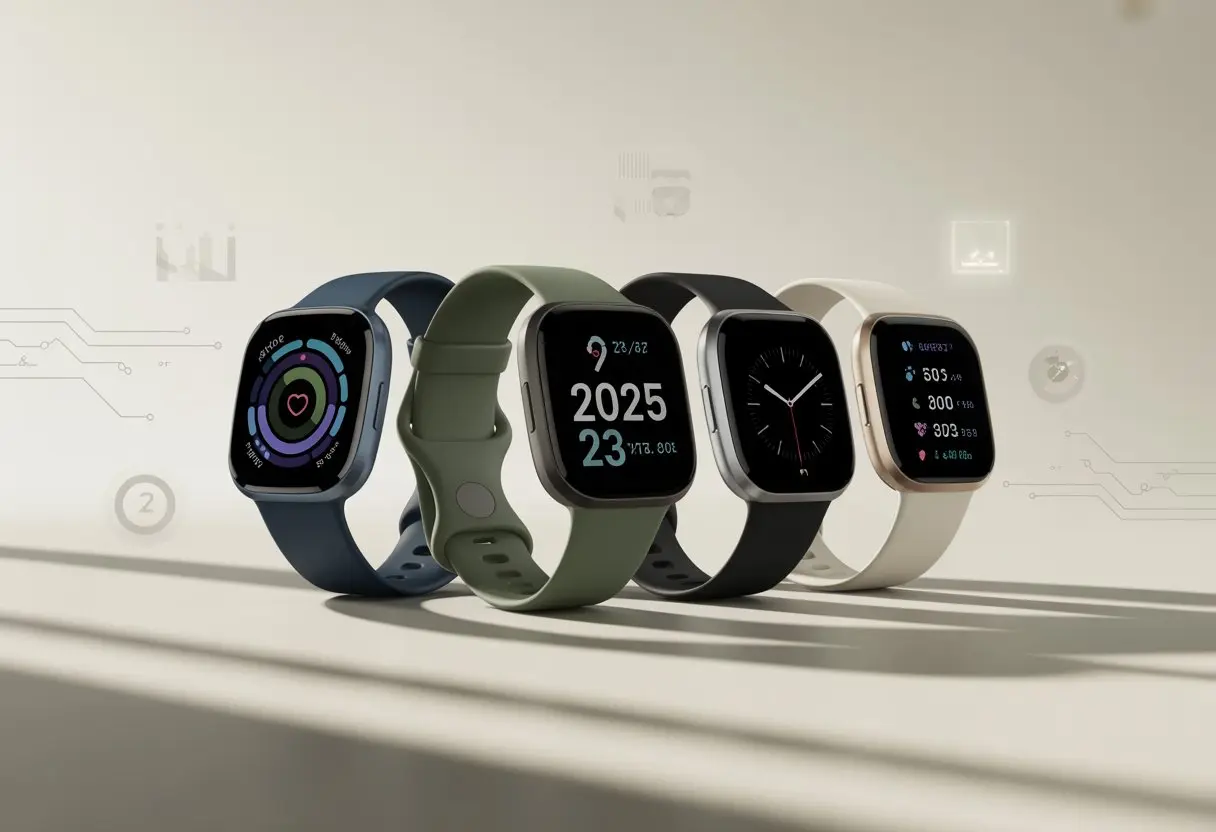
Shopping for the best Fitbit in 2025 is a bit like picking a snack at a massive vending machine. There are just so many options, and every single one promises to help you feel better about skipping leg day.
The best Fitbit model for you depends on what features matter most: fitness tracking, sleep tracking, heart rate, or battery life. Lucky for you, this guide will help you sort through the latest models, whether you want something simple or a tracker that practically runs your life.
Don’t worry, you won’t need a tech degree to make sense of your choices. We’ll keep things light, point out what makes each Fitbit special, and highlight which ones are the best value for your money.
If you’re wondering if Fitbit is worth your wrist space, it’s all about tech, features, and healthy competition. In 2025, Fitbit combines ease of use, clever design, and health monitoring that actually makes sense.
Fitbit’s Legacy in Fitness Technology
Fitbit has been around longer than most cats have lives. Since launching its first tracker, Fitbit turned fitness technology into a daily routine, not just a passing fad.
It’s the brand that made counting steps less annoying and more addictive. These days, Fitbit makes the best fitness trackers for everyday users and overachievers alike.
The classic step counting is still there, but now you get heart rate monitoring, sleep tracking, and stress management too. Fitbit’s app makes viewing your progress feel a little like leveling up in a video game—except your reward is better health, not a virtual trophy.
Clear visuals and gentle nudges keep you on track, even when your couch tries to seduce you after work.
Major Advancements This Year
Fitbit’s 2025 models aren’t those old clip-on gadgets from a decade ago. The newest fitness trackers—like the Charge 6, Inspire 3, and Sense 2—give you built-in GPS, real-time heart rate monitoring, and even fatigue tracking for your workouts.
Want a stainless steel option with a color touchscreen? Fitbit Luxe brings it without making you look like you’re wearing a nerd-badge in public read more here.
This year, Fitbit pushed longer battery life even further. Many models now last five days or more before needing a charge, so your data tracking won’t take a vacation every other night.
And for anyone who ever forgot to start a workout, these devices now auto-detect exercise so you can fake being a pro without even trying. Easy syncing with both iPhone and Android keeps things hassle-free.
Friendly reminders to move and guided breathing features help round out your health, making your tracker a fitness coach, sleep therapist, and cheerleader in one.
How Fitbit Stacks Up to Other Smartwatches
So, how does Fitbit hold up against smartwatches like Apple Watch? Fitbit is like the sensible friend who tells you to go to bed before midnight.
Most Fitbits last longer on a single charge than many smartwatches, including Apple Watch and Samsung Galaxy Watch learn more. If you want every app on your wrist, Apple Watch gives you more for power users and gadget lovers.
But if your main goal is the best fitness tracker that keeps health info up front (with a battery to back it up), Fitbit wins. Fitbit focuses on making health monitoring and tracking simple, reliable, and approachable.
You don’t need a PhD to use it—just a wrist and a vague interest in avoiding the potato chip aisle one day per week. Upgrades like stainless steel finishes, bright screens, and easy-to-use fitness features make it clear why Fitbit remains a strong pick among fitness trackers and smartwatches for 2025.
2025 Fitbit Model Overview
Fitbit’s 2025 line-up gives you plenty of ways to keep an eye on your steps—and your excuses. Whether you’re a hardcore runner, a stretching expert, or just counting how many times a day your dog walks you, there’s a fitness band that fits your style.
Fitbit Charge 6 Features
The Fitbit Charge 6 is basically the Swiss Army knife of fitness bands. You get built-in GPS, so your phone can stay on the couch while you sprint.
Heart rate tracking works 24/7 and even syncs with gym equipment—because who doesn’t want their treadmill to know how out of breath they are? A big win this year is Google Maps integration, so getting lost in the park is now optional.
Contactless payments with Google Wallet mean you can buy a snack on your run and call it “fuel.” Battery life lasts around 7 days if you don’t try to watch TikTok videos on it all day.
The color AMOLED screen is bright, and you can customize stats and notifications. The Charge 6 is widely recommended as the best premium tracker if you want advanced features in a slim package.
Fitbit Versa 4 Upgrades
If the Charge 6 is the tool, the Fitbit Versa 4 is the full toolbox in smartwatch form. The Versa 4 gives you voice assistant support, smart notifications, and plenty of workout modes—over 40, because apparently “yoga” and “hot yoga” are different adventures.
You can reply to texts and take calls from your wrist, which is handy for impressing friends or ignoring them discreetly. The battery can last almost 6 days, which is great unless you forget where you left the charger.
If you want every possible health metric—and the ability to stress about those metrics—the Fitbit Sense 2 is your gadget. It tracks not just your heart rate, but also ECG, skin temperature, and blood oxygen.
Next time you feel a cold coming, you’ll have more numbers to back it up. There’s a new Body Response sensor to figure out when you’re stressed (hint: usually when the battery is low).
Sleep tracking is detailed, and the Sense 2 even gives personalized insights after it politely watches you snore. The design is slim and lightweight, and you get on-wrist notifications, voice controls, and a bright touchscreen.
Fitbit Inspire 3 Essentials
Sometimes you just want a fitness band that does the basics without needing a tech support hotline. That’s where the Fitbit Inspire 3 comes in.
It’s small, lightweight, and the battery can last up to 10 days—long enough to forget it’s even there. It tracks your steps, sleep, heart rate, and workouts with an easy-to-read color screen.
The Inspire 3 skips the fancy extras like GPS, but makes up for it by being affordable and comfortable to wear day and night. Set gentle alarms that nudge you awake without scaring the cat, and get simple notifications from your phone.
If you want to pick the best Fitbit, you need to look at the details. Each model has its own strengths, and some features may fit your needs better than others.
Here’s what matters most when it comes to health tracking, GPS, and heart monitoring.
Health and Fitness Tracking Performance
Your Fitbit is like a tiny, polite coach that never yells but always counts your steps. Most 2025 models, like the Inspire 3, have a pedometer to count your steps, an accelerometer to track movements, and a sleep tracker that tells you how much sleep you actually got, not what you wish you got.
You can set fitness goals for things like distance, calories burned, or activity minutes. With easy-to-read stats, it’s simple to check if you met your activity goals or if your living room jogs aren’t quite enough.
Exercise modes on newer Fitbits let you automatically detect workouts, including running, biking, and even swimming. Some models also give you reminders to move if you sit too long, so you can blame your Fitbit for your new habit of standing up during TV shows.
For more details, check out the best Fitbit for activity tracking on this guide.
Built-In GPS and GPS Tracking
If you want to track your runs or bike rides without carrying your phone, look for a Fitbit with built-in GPS. Higher-end models such as the Sense or Charge series have GPS built in.
They record your route, pace, and distance directly, so you’ll always have proof that you did that extra lap, even if your dog is the only witness. Budget models may use connected GPS, which means they rely on your phone for tracking.
That’s fine if you’re glued to your phone, but not if you’re trying to leave it behind. Built-in GPS is more accurate in real time, especially for outdoor workouts.
Fitbit’s smartwatches claim heart monitoring superpowers. Many 2025 models have a heart rate monitor running 24/7, which checks if your heart’s working hard or just coasting.
For the science fans, Fitbits like the Sense series add ECG (electrocardiogram) abilities to spot irregular heart rhythms. If “atrial fibrillation” means nothing to you, just know it monitors for unusual patterns and may tell you to talk to your doctor—not Dr. Google.
All models can track your resting and active heart rate. Some also show your heart rate zones, so you know if you’re burning fat, working on cardio, or about to invent a new dance move.
Remember, ECG is only on the top-end line and not on every model, so check if it’s something you need. Compare Fitbits with the best heart features at Wareable’s review.
Smartwatch Functions: Premium Perks and Everyday Convenience
Fitbit smartwatches are all about making your wrist feel like a command center. They blend fitness tracking with smart technology, making everyday tasks faster and sometimes a lot more fun.
Notifications and Google Apps
Fitbits these days are basically the town gossip, always keeping you in the loop. When someone texts you or tags you in an embarrassing meme, your wrist buzzes first.
Not only do you get call, text, and app alerts, but with models like the Fitbit Versa 4 and Pixel Watch, you’ll also see calendar reminders, navigation tips, and even emails right on the screen.
If you’re deeply loyal to Google, you’re in luck. Many new Fitbits offer built-in Google apps, including Google Wallet and Google Maps.
Forgot where you parked? Now your Fitbit can help guide you with directions.
Just don’t blame it when you still get lost—that’s a you problem.
Contactless Payments and Fitbit Pay
Nobody enjoys fumbling for their card while the grocery line grows longer behind you. With Fitbit Pay and now support for Google Wallet on newer models, you can pay for your coffee, lunch, or the questionable purchase of a dozen donuts with a quick tap of your wrist.
Contactless payments work at thousands of stores that accept NFC. Setting up is easy—you just add your card through the Fitbit app and look for the wireless symbol on payment terminals.
Security features help protect your info, so unless your wrist walks away on its own, you’re safe. For more details on these perks, read about the best Fitbit models for 2025.
Voice Assistants: Alexa and Beyond
Ever feel lonely and wish your watch would talk back? Some Fitbits include smart voice assistants like Amazon Alexa and Google Assistant.
With a simple voice command, you can set timers, control smart lights, check the weather, or ask deep life questions like, “What’s 287 divided by 19?”
Voice assistants work best when your phone is nearby and connected. You can even get spoken feedback for some functions.
Your wrist might answer more questions than some friends do. This hands-free help can be a lifesaver during workouts or when you’re elbow-deep in a bag of chips.
Physical Buttons and Touchscreens
Smudgy fingerprints aren’t your only option! Most Fitbits now use a touchscreen display for swiping through menus, checking your Daily Readiness Score, or choosing a workout mode.
The screens are bright and responsive—even if your fingers are slightly donut-glazed. Physical buttons still make an appearance on several models.
They add an extra layer of control, especially if you’re out in the rain or wearing gloves. Buttons can help you access shortcuts, pause a run, or summon that handy voice assistant.
After all, sometimes you want to push a button just for the satisfaction.
Design, Display, and Durability Breakdown
Fitbit trackers in 2025 offer shiny screens, comfortable designs, and survive your wildest pool cannonballs. You care about what’s under the hood, but let’s talk about what you can actually see and touch.
AMOLED Displays and Screen Size
You probably want your new fitness tracker to look stylish and actually let you see your stats without squinting. Many of the latest Fitbits, like the Versa 4 and Sense 2, use bright AMOLED displays that make colors pop, even under sunlight.
Yes, you’ll finally be able to read your steps by the pool without pretending you aren’t just checking the time. Screen size varies by model.
The Inspire 3 keeps it small and slim, so you won’t feel like you’re wearing a tablet on your wrist. Larger models like the Fitbit Sense 2 offer more space for chunky fingers and aging eyes, but aren’t bulky or uncomfortable to wear all day.
You can see a rundown of the top models’ screens in this handy article on the best Fitbit models.
Water Resistance and Build Quality
You’ll be relieved to know most Fitbits in 2025 can handle sweaty gym sessions, accidental sink dives, and even a swim. Models like the Charge 6 and Versa 4 are water resistant up to 50 meters.
So unless you plan on becoming a deep-sea explorer, your Fitbit will live to track another day. Build quality gets a big upgrade too.
Straps are comfier and more flexible, while the bodies use sturdy materials that can handle daily bumps. Buttons and screens are tougher so you won’t cry if you bang your wrist on the doorframe—again.
For a close look at which models survived real-world tests, check out this detailed Fitbit comparison guide.
Battery Life and Charging Speed: Keeping Up With You
Waiting for your Fitbit to charge can feel like watching paint dry. But knowing how long before it fizzles out is a little less boring.
Here’s what you need to know before you go on that epic hike or marathon napping session.
Standard Battery Performance
Not all Fitbits have the same battery stamina, and how often you have to charge depends on your pick. For example, the Fitbit Sense 2 usually runs for about six days on a single charge.
That’s almost a whole week of not stressing over finding your charger or crawling behind the couch looking for spare cables. Compare this to the Fitbit Inspire 3, which boasts an impressive 10-day battery life—long enough that you might forget where you put your charger in the first place.
To check the details for different models, see the overview at Tom’s Guide.
If battery life makes you most anxious, the Inspire 3 is a clear friend for forgetful folks. Meanwhile, if you’re all about features and can handle plugging in every few days, the Sense 2 strikes a good balance between brainy and brawny.
Smartwatches like the Pixel Watch go heavy on the features, but be warned—charging can become a daily ritual.
Optimizing for Long Workouts
So you want to run, bike, and climb mountains all in one day—good luck, and remember, your Fitbit needs endurance too. Not every model is built for those all-day adventures where power outlets are mythical creatures.
If you need a tracker that keeps up on marathon training or multi-day hikes, the Inspire 3’s longer battery is a game changer. With less frequent charges, you get more tracking and less tracking down a charger.
Some models have quick charge features, so even a few minutes plugged in can give hours of use—which is perfect for those “Oops, I forgot to charge last night” mornings. If you’re eyeing richer features like GPS, heart rate monitoring, or music, remember these nibble the battery a lot quicker.
When every step counts, a reliable battery can be the difference between finishing strong and finishing with a dead screen.
Sleep, Safety, and Advanced Monitoring Features
Fitbit models in 2025 bring more to your wrist than just step counting. You get detailed sleep insights, plus features to help keep you safe and on top of your health—all without needing a PhD to understand your own heart rate.
Sleep Tracking Technology
If you’re snoring, tossing, and turning, your Fitbit is probably judging you just a little—but in a helpful way. Many new Fitbits feature advanced sleep tracking that logs how long you’re in light, deep, and REM sleep stages.
Some models even give you personalized sleep profiles—turns out you might be a “Tortoise” sleeper instead of that “Bear” you thought you were. You’ll also see scores for your rest, plus tips for improving bedtime habits.
Top models, like the Sense 2 and Inspire 3, track your blood oxygen levels overnight and alert you to potential breathing issues. Wondering why you’re tired even after nine hours in bed? Now you can actually get answers instead of blaming your pillow.
Mom always worried about you falling. Now your Fitbit does, too.
Newer models come with fall detection—if you take a tumble, the device checks if you’re okay. If you don’t respond, it can automatically contact your emergency contacts.
Fitbits now monitor irregular heart rhythms with continuous scanning. If your ticker gets too jumpy or slow, you’ll get an alert so you don’t have to trust your “gut feeling.”
The Sense 2 even lets you log symptoms and share your results with your doctor, just in case you want to brag about your excellent ECG skills. You’ll also find stress tracking, blood oxygen monitoring, and reminders to move.
So if you need a gentle nudge (or a not-so-subtle buzz) to stretch your legs, your Fitbit is on your side. Dive deeper into these monitoring tools in this Fitbit comparison guide.
Fitbit Versus the Competition
Choosing between Fitbits and their rivals can be tricky—sort of like picking your favorite ice cream flavor when you love three. Battery life, features, comfort, and price all play important roles, but each brand brings something unique to your wrist.
How Fitbit Models Compare to Apple Watch, Ultra 2, and Amazfit Band 7
The Apple Watch is the poster child for smartwatches. You get a beautiful screen, tons of apps, and Siri telling jokes that actually aren’t funny.
But battery life? The Apple Watch usually taps out in about 18 hours, so you’ll be charging it as often as your phone.
The Ultra 2 ups the rugged factor, but it’s pricier than a new pair of sneakers (and you can’t even wear it on your feet). Fitbits, like the Charge 6 and Versa 4, last up to 6 days between charges.
That means you can go almost a week pretending your charger doesn’t exist. They track the basics—steps, heart rate, sleep—making them great all-around fitness trackers.
Looking at the Amazfit Band 7? It’s a wallet-friendly choice with surprising features.
It offers up to 18 days on a single charge, so you might forget what your charger even looks like. However, notification support and third-party apps aren’t as slick as what Fitbit or Apple offers.
Device
Battery Life
App Support
Price Range
Fitbit Charge 6
~6 days
Good
$$
Apple Watch
~18 hours
Excellent
$$
Ultra 2
~36 hours
Excellent
$$$
Amazfit Band 7
~18 days
Fair
$
Fitbit Models vs Pixel Watch 3
If you like Google products, the Pixel Watch 3 might catch your eye. It features a sleek design, Google Assistant, and handy app integration.
But put your charger on standby—it runs for about 24 hours before needing a break. Fitbit models still stand out for their battery life.
If you prefer locking your charger in a drawer, Fitbits like the Inspire 3 and Charge 6 will let you do that for several days. They’re also simple to use—no NASA training required.
Health tracking on Fitbits is reliable and easy to understand. The Pixel Watch 3 uses some Fitbit features, like step counting and heart rate, thanks to Google’s partnership, but Fitbits keep things more focused on wellness and less on looking for your phone under the couch cushions again.
If you care about detailed app support, notifications, and having Google on your wrist, the Pixel Watch 3 has advantages. But for long battery life, simple health tracking, and a lighter price tag, Fitbit models are still hard to beat.
Apps, Privacy, and Customization Options
Your Fitbit is more than a step counter—it’s a mini-computer strapped to your wrist, loaded with apps, settings, and all your secrets. Fitbit models in 2025 make it easy to tailor your watch while also keeping your data more guarded than the last donut in the office break room.
Privacy Settings for Data Protection
Fitbit’s really stepped up its privacy game, letting you decide what stays private and what gets shared with every fitness app out there.
You can pick what activity details, sleep info, or heart rate data sits on your device and what actually makes its way to Fitbit’s cloud. It’s kind of like building a digital moat around your personal stuff.
Most models let you toggle data collection right in the privacy menu. Want Google Maps tracking you while you exercise? Sure, turn it on. Don’t want anyone to know about your late-night fridge runs? Just keep it off.
Plenty of Fitbits show you clear dashboards with all the apps that can see your info. If you’d rather your data never leaves your wrist, a few taps will do the trick.
The Fitbit app also lets you delete your data anytime. If you’ve logged too many midnight snacks, you can just wipe them out.
Customizing your Fitbit is honestly easier than picking a new ringtone. You can swap out watch faces or pick from hundreds of third-party apps.
Set up your favorite stats—like “steps beat Jim from accounting”—right up front if you want. With the latest models, changing bands takes seconds, so you can go from sporty to formal without much fuss.
That means your watch can match every mood swing and every outfit. Many Fitbits let you install apps like weather, music, or Google Maps right on your wrist.
You’re never really lost, unless you’re trying to be. Get phone notifications, control music, or use timers and alarms without hunting for your phone.
If you love a little flair, most devices include templates for customizing stats widgets and tracking tiles. Your Fitbit can feel as unique as your grandma’s cookie recipe, if that’s your thing.
Curious just how far you can personalize? Skim through this complete Fitbit comparison for some fresh ideas.
Hi, my name is Garrett Jones, and I am a tech enthusiast. I enjoy researching the new tech that has been released, and have a vast knowledge of the best tech to purchase.
From a young age, I have always had a big interest in technology, and this blog is an extension of that interest. Through this blog, I hope to provide others with all of the information they need regarding tech options to consider, and things such as compatibility. Some of the different items I will be discussing include headphones, smartwatches, and how to fix common issues.