
We’ve all been there—jamming out to our favorite playlist, only to realize our ears now look like they tried to wrestle a cactus.
Bluetooth headphones can irritate our skin because of sweat, heat, pressure, or allergic reactions to the materials and dyes used in the ear pads. For some of us, a marathon gaming session or long work call might end with red, itchy ears—not exactly the look we were hoping for.
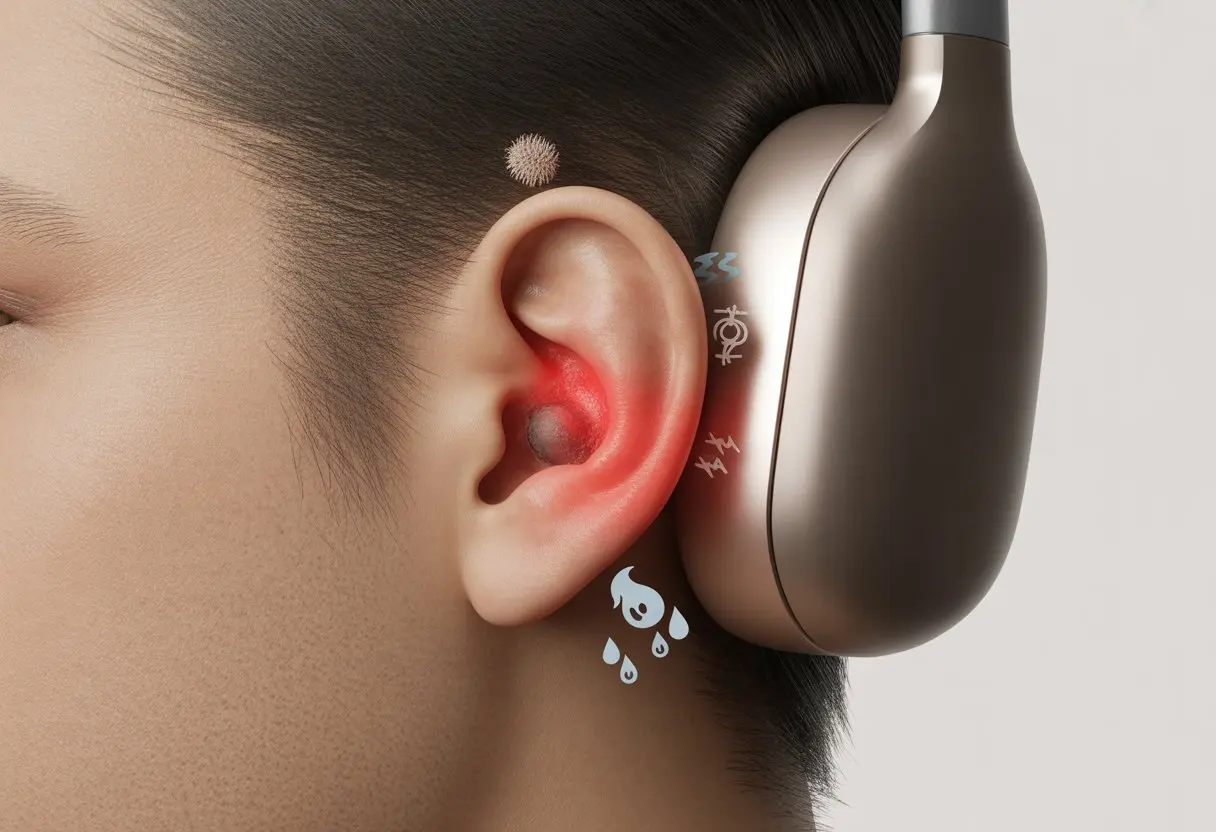
There’s actually more science (and a few uncomfortable truths) behind why our trusty headphones can betray us.
Maybe it’s the moisture trapped under those snug pads, or maybe the headphones are hiding a secret blend of skin-irritating materials. Sometimes, our skin just doesn’t get along with the very things helping us block out the world.
Let’s dig into what’s going on behind the itch, so we can spend less time scratching and more time enjoying our music—without looking like we hugged a porcupine.
Why Bluetooth Headphones Irritate Skin
Wearing Bluetooth headphones, especially for hours, can turn into a battle between our ears and modern tech.
Sweat, pressure, and the materials used all team up to annoy our skin in ways we don’t always expect.
How Headphones Interact With Skin
Bluetooth headphones and earbuds press right up against our skin for long stretches, basically creating a tiny sauna around our ears.
Over-ear headphones, in particular, trap heat and sweat, so moisture builds up fast. That extra dampness can break down our natural skin barriers and make us more prone to irritation.
Some headphones use synthetic materials like fake leather or rubber. Over time, these materials break down and release tiny particles or chemicals that can cause reactions.
Even our cleaning habits can backfire—using harsh cleaners or not letting them dry out can make things worse, not better.
If you have sensitive skin, even small annoyances like friction from a tight headband or rough ear pads can set off a scratch-fest.
The urge to adjust and readjust doesn’t help, since more movement just means more rubbing and more irritation.
Types Of Skin Reactions From Headphones
Our skin loves to get dramatic when headphones are involved. We might notice mild redness, a rash, or develop itchy patches.
Dermatitis is a common culprit—especially contact dermatitis, which pops up if we react to the materials in our headphones or earbuds.
Allergic reactions can happen if we’re sensitive to certain plastics, metals, or dyes in the cushions or housings.
Nickel, which often hides in metal parts, is a classic troublemaker. Sometimes, it’s not the headphone itself, but the trapped sweat and oils that let bacteria throw a party and cause infections, especially inside the ear canal.
The result can be anything from dryness to a full-on rash, like when users report red, itchy irritation from headphones or even swelling after wearing earbuds.
Recognizing Symptoms Of Skin Irritation
Spotting skin irritation from Bluetooth headphones isn’t exactly rocket science, but we have to pay attention.
Common symptoms include redness, itching, burning, dry skin, or small bumps around the ears. Sometimes, earlobes swell a bit, look shiny, or peel—not really the look we want.
The reaction might start mild and get worse with more use. If there’s a rash, it might look like small, raised red spots or patches.
For those using in-ear buds, tenderness inside the ear or more wax could mean irritation is starting up.
In rare cases, irritation can lead to infections with more pain, pus, or a yellow crust—definitely time to give our headphones a break and maybe check with a doctor.
Doctors warn that earbuds and over-ear headphones can lead to skin infections and wax buildup when we use them for hours.
Common Causes Of Skin Irritation
When our Bluetooth headphones leave our ears red and itchy, it’s usually not a secret plot against humanity.
It often comes down to what they’re made from, how much we sweat, and the way those earcups clamp down.
Allergic Reactions To Materials
Sometimes, our skin just doesn’t vibe with headphone materials. Earcups and padding come in all kinds of plastics, leather, foam, and even sneaky metals like nickel.
If we’re allergic to any of these (thanks, genetics!), our ears might get red, itchy, or even swollen. Not really the wireless experience we signed up for.
We might notice a problem if new headphones suddenly start irritating our skin while the old pair never did.
Some of us are especially sensitive if the headband or earcups have worn out, creating cracks that let out particles or even cause direct contact with an allergen.
Turns out that allergies to certain types of silicone or leather can cause as much drama as forgetting to charge our headphones.
You can read more about allergies and headphone irritation here and evil metals like nickel here.
Sweat Build-Up And Poor Ventilation
If our headphones turn our ears into tiny saunas, sweat gets trapped like commuters on a stalled subway.
When moisture lingers, the soft padding just doesn’t feel soft anymore. The skin under the earcups can swell, itch, or even break out.
Headphones with heavy padding or tight sealing make things worse. On-ear headphones and any headset with poor ventilation keep sweat under wraps until it causes chaos.
We’re stuck with damp, warm ears, and no playlist can make it better. Wiping down the earcups and headband sometimes helps; ignoring moisture definitely doesn’t.
Friction From Headphone Design
Design isn’t just about looks—sometimes it’s a recipe for sore ears.
If our clamping force is too strong or the headphones are extra tight, we get more rubbing and pressure.
Even the comfiest-looking cushioning can betray us if it’s stiff or the earcups shift around too much.
On-ear headphones are especially good at turning long music sessions into friction marathons.
A poorly padded headband might dig in just enough to remind us it’s there. Too much movement or constant readjusting means endless chafing.
If we notice red spots or sore patches after wearing them, maybe it’s time to blame the design and not just our taste in music.
Headphone Components That Can Irritate
Not all headphones are created equal—a few parts can turn our happy listening time into an itchy mess.
Some problems come from parts that touch our skin, while others annoy us just by where they sit.
Earcups, Padding, And Headbands
Let’s be honest: those fluffy earcups and soft headbands look innocent, but sometimes they’re little traps.
Headphone padding is usually foam covered with leather, fake leather, or fabric. If we’re allergic to these materials or dyes, we might get red, itchy patches before we know it.
When we sweat during workouts or on a hot day, moisture gets trapped between the padding and our skin. That sweat, mixed with heat, creates a perfect setup for skin irritation and rashes.
Some headbands squeeze too tightly and rub the skin along our scalp, leaving us feeling like we just lost a wrestling match with our headphones.
If you’ve recently noticed irritation, try avoiding over-ear headphones for a bit or swap out the ear pads for ones made from a different material.
Here’s a quick list of troublemakers:
- Memory foam with synthetic leather: Common but sweaty
- Cloth covers: More breathable, but less common
- Tight headbands: More pressure, more friction, more “ow”
TWS Earbuds And The Ear Canal
Now let’s talk about TWS (true wireless stereo) earbuds. These don’t sit on top of our heads—they hide in our ear canals like sneaky little invaders.
Most of these earbuds use silicone tips that can cause itching, burning, or even allergic reactions for some of us. It can feel like our ear canals are protesting a silent disco gone wrong.
Wearing earbuds for hours means our ears get hot, sweaty, and sometimes sore. The silicone makes a tight seal, which can lead to contact dermatitis if our skin isn’t a fan.
If we keep scratching, we risk inviting an ear infection to the party.
Here are some specifics that might irritate us:
- Silicone tips: Comfortable for many, itchy for some
- Plastic speaker housing: Can rub or press against sensitive spots
- Blockage of ear canal: Can make things hot, sweaty, and waxy
Next time our ears get mad at our earbuds, maybe it’s time to switch tip materials or give them (and our ears) a break.
Wearing Habits That Worsen Discomfort
Wearing our Bluetooth headphones the wrong way doesn’t just ruin our listening—it can turn a chill playlist into a scratchy, sweaty nightmare.
Some habits let skin irritation sneak up on us more than we’d like.
Extended Listening Sessions
Let’s be honest: once we start binging songs or podcasts, taking off our headphones feels impossible.
But when we leave them glued to our ears for hours, all that heat and trapped sweat can give us red, itchy patches or even rashes.
Here’s why: the skin under the earpads can’t breathe. Skin that’s pressed down for a long time is more likely to get irritated, and it only gets worse if we forget to clean our headphones.
Sometimes this can block up our ear canals and cause extra wax to build up or foster bugs we definitely don’t want living in there—read more about how long hours with headphones can lead to skin problems and infections.
Signs it’s time to give your ears a break:
- Our skin feels sweaty or itchy
- We notice redness after wearing headphones
- The pads feel damp (yikes)
Neglecting Regular Breaks
We get it—we want to keep the music going. But skipping regular breaks doesn’t just mess with our playlists; it’s also a big reason our skin gets irritated.
Regular breaks help air out our ears, lower skin moisture, and let our headphones cool off.
Taking off headphones every hour or so can keep skin dry and comfortable.
Short breaks give the pads time to release built-up heat, so our ears aren’t stewing in their own little sauna. This really matters if we’re exercising or it’s hot outside.
How to remember breaks:
- Set a timer every hour
- Switch to speakers for a few minutes
- Use breaks to clean headphone pads and ears
Avoiding these habits helps us enjoy our soundtracks—without turning our skin into an itchy, red mess.
Complications Beyond Skin Irritation
Even though itchy ears might be the main annoyance, our Bluetooth headphones can find new ways to bother us.
It’s not just about rashes—sometimes they cause headaches, jaw pain, or even a little hair loss.
Headphone Headaches And Jaw Pain
Let’s be real: some headphones feel more like tiny clamps than comfy music machines. When we keep them on for hours, the pressure just builds up around our heads.
Suddenly, we go from jamming out to rubbing our temples. Headphones that squeeze tightly around our ears or jaw can trigger tension headaches.
If they sit right over the jaw joint, we might notice soreness or even jaw pain—especially if we tend to clench our teeth while listening. Over-ear models usually cause the most trouble, but on-ears can sneak up on us too.
We can try a simple fix: loosen the headband, take more breaks, or pick a lighter, less “squeezy” pair. When pain starts, it’s time to give our heads a break—headphones shouldn’t feel like torture devices.
If you want more info, check out this post on headphone headaches and jaw pain for details on what to watch for.
Hair Loss And Thinner-Framed Glasses
Here’s one nobody really talks about: our favorite headphones might slowly mess with our hairline. When the headband sits in the same spot day after day, it keeps pressing on our hair.
Over time, that can thin hair along the spot where the band rests. If we have fragile hair or wear headphones every day, we might even spot a faint groove.
This isn’t just some myth—it’s called “traction alopecia,” and it happens when something tugs or rubs against our hair roots.
If we wear glasses, especially with thin frames, headphones can add to the hassle. Thick pads or bands press the arms of our glasses into our skin, making the fit weird and sometimes even painful.
Thinner frames dig in more, and we end up adjusting our specs more than actually enjoying the music. Switching up headphone or glasses style, or adding some padding, can keep our hair and eyewear in better shape.
Environmental And Personal Factors
Bluetooth headphone irritation isn’t always about the headphones themselves. Our own skin care habits and the tech inside the headphones play a big part.
Sometimes, the problem is what’s hanging out on or around our ears.
Effects Of Earwax And Hygiene
Let’s be honest, ears don’t clean themselves. Over time, earwax, sweat, and dead skin build up on headphone pads or earbuds. That turns our trusty headphones into a bit of a mess.
When we press dirty headphones against our heads, all that gunk can trap moisture and bacteria, leading to itchy or red skin. A good cleaning routine makes a difference.
Using a soft, dry cloth or a slightly damp wipe can wipe away earwax and dust. If our headphones start to look like a science project, swapping out the ear pads might help (especially with over-ear styles).
Keeping things clean isn’t just for neat freaks—it’s one of the best ways to avoid irritation. Here’s a quick checklist:
- Gently clean headphones often
- Wipe ears before and after use
- Replace worn-out ear pads
Let’s save the science experiments for school and just enjoy itch-free music.
Background Noise Cancellation Impact
People rave about noise cancellation, but honestly, it’s not always perfect. Noise cancelling works by creating sound waves that block outside noise, which usually means headphones fit more snugly.
That tight fit helps drown out chatty coworkers, but it can reduce airflow, make us sweatier, and trap skin irritants. If we already have sensitive skin or allergies, the tight seal can make things worse.
Add earwax or dust, and our ears might rebel with redness or bumps. Noise cancellation is safe, but let’s keep an eye out for new itching or irritation.
If we can’t live without noise canceling, taking regular breaks helps. Prying off those headphones for a few minutes gives our skin a breather and keeps things less stuffy.
No one wants to go home with ears that look sunburned, even if we did manage to block out that ice cream truck jingle all day.
How To Prevent And Reduce Skin Irritation
Itchy ears and red skin don’t belong in our daily playlist. With smarter headphone choices and a bit of cleaning magic, we can dodge most skin irritation before it ruins our listening.
Choosing The Right Headphones For Comfort
Let’s be honest—not everyone wants to wear those huge, ultra-padded headphones that look like sci-fi earmuffs. But a good fit matters.
We should look for headphones with soft, breathable ear cushions and adjustable headbands. Memory foam padding can be a lifesaver if we wear headphones for hours.
If we have sensitive skin, it helps to choose headphones made from hypoallergenic materials. Silicone and plastic ear tips usually cause fewer problems than some cheap foams or mystery metals.
Over-ear headphones tend to create less direct pressure than in-ear buds, which can be as annoying as sand in your shoes. Trying before buying is always smart if we get the chance.
Maintenance And Cleaning Tips
Our headphones pick up more grime than we’d like to admit. Sweat, oils, and dust hide in every nook and cranny.
All that gunk raises the risk of irritation or even infection, especially with long sessions. We should use alcohol or disinfectant wipes to clean the earmuffs and headbands at least once a week.
It’s smart to remove any detachable ear pads or tips for a deeper clean. Let them dry all the way before putting them back on, since moisture leads to itchy ears or inflamed skin.
Regular cleaning has another perk—our headphones won’t smell like old gym socks. If we share headphones, it’s even more important to clean them regularly to avoid sharing germs.
When To See An Audiologist
If our skin turns red, peels, or feels sore every time we wear headphones, it’s probably time to stop scrubbing and call an expert.
An audiologist can figure out if we’re allergic to certain materials or just have bad luck with wax buildup. Sometimes, we need to switch to headphones with hypoallergenic designs or use a barrier cream.
Rashes that last longer than a few days or keep coming back need more than a cleaning spree. An audiologist can check for other ear problems.
It’s best not to ignore symptoms that stick around, hurt, or get worse. Otherwise, every jam session might turn into an itchy ordeal.
The Bottom Line On Enjoying Your Listening Experience
Let’s be honest: we all love turning up the music, but nobody wants red, itchy ears. Picking the right headphones is about more than style—it’s about comfort and protecting our hearing.
Balancing Audio Quality And Comfort
When we shop for headphones, we often get dazzled by promises of “crystal clear sound” and “deep bass.” But if the earpads make us itch or hurt, that perfect playlist doesn’t matter much.
The material on our headphones really matters. Fake leather, certain plastics, and even silicone can cause irritation for some of us.
Some headphones actually cause skin irritation or allergic reactions if we’re sensitive to the materials or if they start to break down.
Let’s not forget about noise isolation. Good padding blocks out outside sounds, so we don’t have to blast the volume to hear our favorite tunes.
That means better sound quality and happier neighbors. A solid fit matters, too, because loose headphones can annoy us just as much as ones that pinch.
When comfort meets good audio, we all win. If the pads bother us, trying fabric covers or swapping materials can save our skin—literally.
Safe Listening Habits To Prevent Hearing Damage
Let’s be real—our hearing matters, and headphones can mess things up if we’re careless. You’ve got to pay attention to the volume; those decibels sneak up on you.
Most experts say you should keep it under 60% of the max and try not to listen for more than an hour at a time. That’s a good rule, though honestly, sometimes it’s tempting to push it.
Noise isolation in headphones makes a difference. You won’t have to blast your music just to tune out the world (or, you know, the bus driver’s questionable playlist).
Some headphones even toss in volume limiters, which is honestly a nice touch. It takes the guesswork out of things.
Taking short breaks gives your ears a breather. Lowering the volume, listening for shorter periods, and using comfy earpads all help keep your listening sessions safe—and way less itchy.

From a young age, I have always had a big interest in technology, and this blog is an extension of that interest. Through this blog, I hope to provide others with all of the information they need regarding tech options to consider, and things such as compatibility. Some of the different items I will be discussing include headphones, smartwatches, and how to fix common issues.
- The Best Rugged And Waterproof Smartwatches - October 21, 2026
- 10 Best Military Smartwatch – Find The Best Tactical Military Watches in 2023 - October 20, 2026
- Are Wired Headphones Safer Than Bluetooth? A Friendly Guide - October 20, 2026
Related Posts: