You know the feeling—one minute, you’re lost in your music, and then out of nowhere, your Bluetooth headphones hit you with error code 510. Suddenly, it’s just you and silence. Here’s some relief: fixing Bluetooth headphones error code 510 usually isn’t rocket science. Most of the time, you just need to reset your headphones or mess with a few settings. It’s way less intimidating than it sounds.
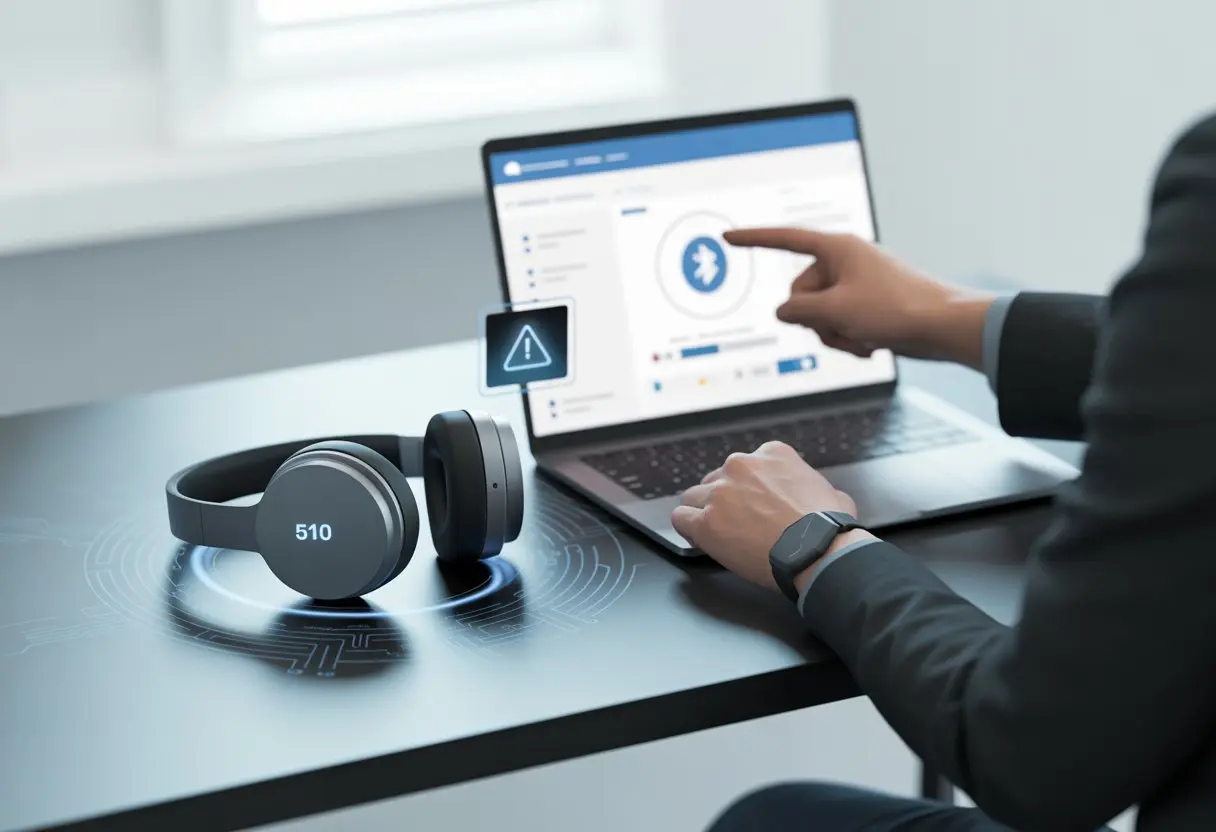
If your playlist has ever stopped cold because of this error, you know it’s a vibe killer. But with a little patience—and maybe a strong cup of coffee—you’ll get your headphones working again.
Let’s jump in and get back to tuning out the world.
Understanding Bluetooth Headphones Error Code 510
Sometimes, headphones just decide they’ve had enough and toss error code 510 your way. This random code shows up when all you want is hassle-free music.
What Is Error Code 510?
Error code 510 is your headphones’ way of saying, “Nope, not connecting.” You’ll see it across different brands, but the problem stays the same: Bluetooth connectivity issues.
Usually, this code pops up when your headphones can’t pair with your device. You might go through all the pairing steps, only to get a robotic “no connection” message.
You’re definitely not the only one dealing with this. Tons of folks with Bluetooth headphones—like JBL Tune 510BT—have seen this before. It means your headphones and device just aren’t getting along, even if the headphones claim they’re paired.
Common Causes of Error Code 510
A few usual suspects cause error code 510. Too many devices trying to pair at once can confuse your headphones. It’s like being at a party where everyone talks over each other.
Outdated software or firmware can make headphones act stubborn. Other electronics, like microwaves or Wi-Fi routers, sometimes mess with Bluetooth signals.
A device you paired before but didn’t properly “forget” might also block new connections. Resetting Bluetooth lists or doing a hard reset—like pressing the volume +, volume -, and play/pause buttons together on the JBL 510B—usually helps. These steps can bring your headphones and devices back together.
Immediate Steps to Fix Error Code 510
Before you chuck your Bluetooth headphones across the room, try these two quick fixes. Focus on giving the headphones a fresh start and toggling your Bluetooth settings.
Restarting Your Headphones
First, let’s give your JBL headphones a break. Most bugs disappear after a restart—just like we do after a nap. Hold the power button until the lights blink off. Wait a few seconds.
Turn the headphones back on by pressing the power button again. If you’re lucky, Error 510 will be gone. Using JBL headphones? Try holding the power and volume up buttons together for a few seconds to reset. Here’s a simple table:
| Step | Button | Action |
|---|---|---|
| Power Off | Power Button | Hold to turn off |
| Wait | — | 5 seconds |
| Power On | Power Button | Hold to turn on |
| Optional Reset | Power + Volume Up | Hold both for 5+ seconds |
This usually clears up glitches and bad connections.
Turning Bluetooth Off and On
Still seeing error 510? Let’s try the device side. Open your Bluetooth settings on your phone or computer. Turn Bluetooth off.
Wait at least 10 seconds. (Counting out loud is optional, but fun.)
Turn Bluetooth back on. This forces your device to forget stubborn connections and start fresh. When you see JBL or your model name pop up, tap to reconnect.
If you just unpaired and repaired your headphones, look for any “greyed-out devices,” especially on Windows. Remove them—this often solves the problem, as explained on this Windows support page. Devices sometimes try to remember too much—just like us trying to recall old WiFi passwords.
Advanced Troubleshooting for Persistent Issues
If error code 510 won’t leave, it’s time for stronger tactics. Here are two more ways to (hopefully) save your sanity and your JBL Tune 510BT.
Resetting Paired Devices
Sometimes, Bluetooth headphones get a little too attached to every device they’ve ever met. It’s time for a clean slate.
Start by forgetting or unpairing the JBL Tune 510BT from all previously connected devices. This avoids connection confusion between gadgets. On your phone or PC, go to Bluetooth settings, find the JBL Tune 510BT, and select Forget This Device or Remove.
Restart both the headphones and the device you’re connecting to. Power cycles solve more problems than you’d think.
Reconnect as if meeting for the first time. Pairing again usually fixes weird error codes like 510. On Windows, removing and re-pairing Bluetooth devices works most of the time.
Factory Reset Procedures
If your headphones still act up, it’s time for a factory reset—think of it as a hard reboot. Find the right button combo for the JBL Tune 510BT. Usually, pressing and holding the Volume Up and Volume Down buttons for about 5-10 seconds does it, but check the official guide just in case.
The lights should blink, like the headphones are begging to forget the past.
After a factory reset, all paired devices disappear from memory. Your headphones basically forget every device they’ve ever met.
After resetting, pair them again with just your main device. Error code 510 should finally give up. For a step-by-step guide, check the JBL Tune 510BT Troubleshooting page to make sure you press the right buttons.
Ensuring Reliable Bluetooth Connectivity
Smooth Bluetooth connections keep your headphones and your mood in check. We just want music—no static, no dropped calls, no weird blinking.
Eliminating Interference
Let’s be real—Bluetooth signals aren’t exactly strong. Headphones lose their way faster than we lose our keys. Walls, microwaves, and even your neighbor’s Wi-Fi can mess with things.
The best move is to keep your headphones and device close together, with nothing big or metal in the way. If you can, put them in a direct line for a stronger signal.
Turn off other smart gadgets or Bluetooth devices nearby to cut down on digital noise.
Here’s a quick checklist:
- Move away from crowded networks (coffee shops or gadget-heavy rooms)
- Disable unused Bluetooth devices around you
- Keep devices updated for better compatibility
Little tweaks like these can make your headphones behave. Sometimes, it’s all about finding the right spot and turning off that Wi-Fi speaker in the next room.
Updating Device Firmware
Old firmware is like milk past its date—it might look fine, but it’s not. A lot of connection problems come from outdated software, not because Bluetooth has a grudge.
Check the manufacturer’s app or website for firmware updates. Updates usually add features, fix bugs, and help with Bluetooth driver errors. Look for instructions about updating via USB or through a companion app.
Usually, you just charge the headphones, open the app, and hit “update.”
Restart both your headphones and device after updating. It’s easy to overlook, but the classic “turn it off and on again” trick still works wonders.
If nothing else helps, a full Bluetooth headphone reset can bring everything back to normal. Instructions vary, but it’s often as simple as holding the power button for 15 seconds and re-pairing, like in this easy headphone reset guide.
Optimizing Sound Quality and Comfort After Error Resolution
Now that you’ve stared error code 510 down and survived, let’s make your headphones sound awesome and feel even better.
Testing Sound Quality
Start by making sure your music and calls sound crisp. Try songs from different genres—everything from classical to bass-heavy hip hop. If things sound muddy or weird, check that your device uses the right Bluetooth audio profile.
On Windows, your headphones might slip into “hands-free” mode, which sounds like old radio static. Switch to the stereo profile to fix this. In your device’s settings, set your headset as the default for music, not calls.
If sound is still off, check for firmware updates. Even headphones need to stay updated. For more on tweaking these profiles, check out Bluetooth headphones sound muffled and bad on Windows PC.
Some headphones have an equalizer. Boost the bass, lift the treble, or just mess around and see what sounds best. Test different volume levels—if max volume sounds like an angry bee, there’s more work to do.
Adjusting for Comfort
Even the best-sounding headphones can make us want to ditch music if they hurt our ears. Start by adjusting the headband and the earcups.
We want a fit that’s snug but not crushing. Sure, tight headphones might boost the bass, but honestly, is it worth the headache?
Everyone’s ears are different, so move those earcups until they feel just right. If you wear glasses, double-check nothing’s getting pinched.
Memory foam pads? Game changer. They’re basically tiny pillows for your ears.
If you wear headphones for hours, a little extra cushion makes a big difference. Take short breaks every hour or so.
Give your ears and brain a chance to breathe. Clean the ear pads often—sticky headphones are just gross.
Want to level up comfort? Look for replacement pads or headbands with softer or breathable materials.
Preventing Future Error Code 510 Incidents
We’ve all seen error code 510 ruin a good playlist. Let’s try a few easy things to keep that from happening again.
Stick to regular upkeep and keep your gadgets updated. That should help your headphones stay trouble-free.
Regular Maintenance Tips
Treat your headphones with care. Wipe them down gently with a soft cloth.
Keep them away from dust and, seriously, snacks. Crumbs and buttons just don’t go together.
Charge your headphones regularly, but don’t leave them plugged in overnight. Overcharging can mess with the battery.
Dead batteries can cause weird connection issues. Remember to turn off Bluetooth when you’re not using your headphones.
If your headphones get stubborn, unpair and re-pair them with your device. Remove them from your settings, then add them back—it’s basically a reset.
On Windows, just head to Settings > Devices > Bluetooth & other devices, remove your headphones, and re-add them. Sometimes, giving everything a fresh start helps.
For more troubleshooting, check out Microsoft Support.
Staying Up-To-Date with Software
Honestly, keeping everything updated feels almost as good as finally finding that missing sock. I always check for firmware updates on my headphones and update drivers for my devices when I remember.
Software updates usually squash bugs like error code 510 and help things play nice with new gadgets. Most headphone brands post update instructions on their websites, so it’s worth poking around every so often.
I also make sure my computer or phone runs the newest Bluetooth drivers—outdated software just loves to cause trouble. If you’re on Windows, updating drivers often clears up those annoying connection problems; there’s some solid advice at Driver Easy.
Automatic updates are a lifesaver for the forgetful (which is, let’s face it, most of us). If you can, just let updates install themselves so you don’t have to worry about it.
Keeping gear updated means fewer headaches and smoother jam sessions—who doesn’t want that?

From a young age, I have always had a big interest in technology, and this blog is an extension of that interest. Through this blog, I hope to provide others with all of the information they need regarding tech options to consider, and things such as compatibility. Some of the different items I will be discussing include headphones, smartwatches, and how to fix common issues.
- How to Get Text Messages on Fitbit Versa 2 Android: Simple Guide for Users - October 13, 2026
- Why Doesn’t My Fitbit Record My Sleep? Quick Troubleshooting Guide - October 13, 2026
- How to Change Face on Fitbit Versa 2: Quick and Easy Guide - October 12, 2026
Related Posts: