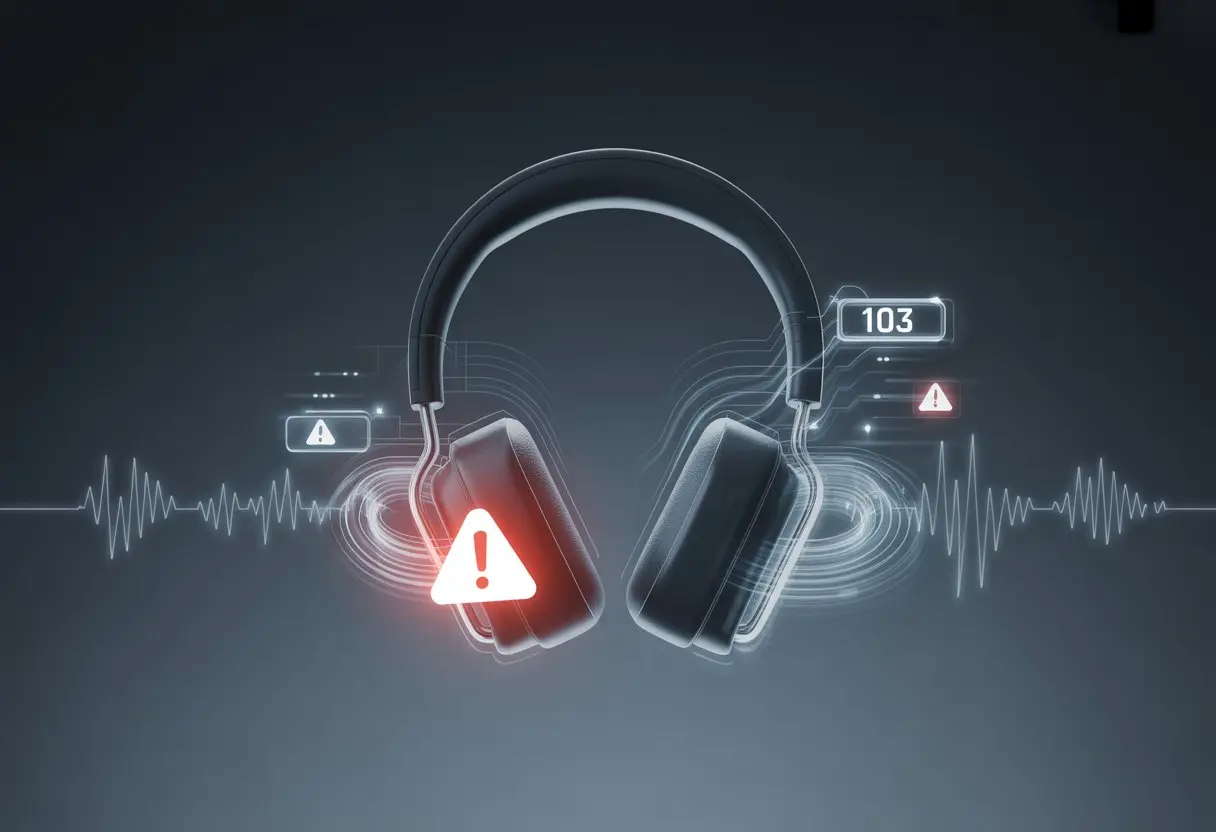
We’ve all been there. You’re ready to hit play on your favorite playlist, and suddenly—bam, “Bluetooth headphones error code 103” pops up. If you’re anything like me, you might wonder if your headphones just have it out for you. But don’t stress too much. Error code 103 usually means there’s a hiccup with pairing or connection settings between your headphones and your device.
This error pops up when your headphones and device can’t agree on how to connect. It’s a bit like arguing over what movie to watch—except there’s no popcorn, just irritation.
Sometimes it’s the Bluetooth settings. Other times, outdated drivers are to blame. Either way, you can fix it.
Before you start blaming your gear, let’s dig into what’s really causing this mess and how to get back to your music. We’ll look at some simple fixes—no computer science degree required.
What Is Bluetooth Headphones Error Code 103?
Error code 103 likes to show up right when you’re about to jam out or hop on a call. It means there’s a communication problem between your Bluetooth headphones and the device you’re trying to connect to, like your phone or laptop.
It’s annoying, but not the end of the world.
How Error Code 103 Manifests
You know something’s wrong when your headphones just won’t pair. Instead of music, you get silence and a cryptic “error code 103” message.
Sometimes, you’ll see a blinking LED or hear a beep—your headphones’ way of saying, “Not today.” Other times, your phone will give you a pop-up error.
Mashing the pairing button or restarting your device usually doesn’t help. Occasionally, a reset actually makes things worse.
Your device and headphones can’t talk to each other, often because of outdated firmware or a glitch. Some people report seeing error code 103 during the first setup or right after an update. Technology tries to be smart, but sometimes it just forgets how to do the basics.
Common Bluetooth Devices Affected
It’s not just headphones. This error haunts all sorts of Bluetooth gadgets—earbuds, wireless speakers, and even the occasional smart fridge (why does a fridge need Bluetooth, anyway?).
You’ll see it most with affordable headphones and budget earbuds, especially those with cheaper chips. But even big brands aren’t immune.
Some devices like scooters and noise cancelling buds have reported error 103 too. It’s a global issue—nobody’s safe.
Table: Devices Commonly Affected
Device Type
Frequency of Error 103
Budget Headphones
High
Brand Name Headphones
Moderate
Wireless Earbuds
High
Bluetooth Speakers
Moderate
Scooters/Other Gadgets
Possible
Impact on Audio Experience
When error code 103 strikes, your audio dreams crash hard. No sound, broken connections, and sometimes audio dropouts if your headphones manage to connect for a second.
Listening to music? Not happening. Answering calls? Forget it.
If you use Bluetooth headphones for work, this can totally ruin meetings or make you late to class. Gamers might notice audio lag or, worse, total silence in the middle of a game.
The only thing more embarrassing than error code 103 is realizing you’ve been talking to yourself with the mic off.
Causes of Bluetooth Headphones Error Code 103
Using wireless headphones sometimes feels like a gamble. Error Code 103 usually means something’s off with drivers, Bluetooth settings, or the pairing process.
Bluetooth Driver Error and Incompatible Driver
Drivers have a mind of their own, don’t they? Error Code 103 often shows up when the Bluetooth driver doesn’t match what your headphones expect. It’s like inviting a cat to a dog party—nobody’s happy.
An incompatible driver causes your headphones to throw a fit and refuse to connect. The trouble usually starts after a Windows update, a lazy Bluetooth adapter, or using a driver from the stone age.
Outdated or wrong drivers make it nearly impossible for your headphones and computer to communicate. Updating the driver or rolling back to an older version can sometimes fix things.
It’s a good idea to grab the latest drivers from the manufacturer’s website. Sometimes, the default drivers in Windows just don’t play nice with newer gadgets.
Pairing Mode Mishaps
We’ve all rushed to pair our headphones, mashing buttons like we’re on a game show. If your headphones aren’t in pairing mode at the right moment, Error Code 103 pops up just to mess with you.
Some headphones want you to hold the power button for several seconds. Others require a secret sequence that only dogs seem to understand.
If either device isn’t in pairing mode, the handshake between your headphones and Bluetooth adapter fails. Being out of range can also cause problems.
If your headphones are buried in a bag or hiding under the couch, your devices might not see each other at all. Keep both close by and follow the pairing instructions step by step.
Bluetooth Settings and Configuration Issues
Bluetooth settings are like a secret menu—tweak the wrong thing, and suddenly nothing works. Bad settings can block connections or make your headphones invisible to your device.
Airplane mode, disabled Bluetooth radios, or too many paired devices can hijack the connection. A messy history of old devices confuses your system about which headphones to use.
A quick trip into Bluetooth settings, removing extra devices, or restarting the Bluetooth adapter can help. Checking advanced settings doesn’t hurt either.
Making your device “discoverable,” or toggling Bluetooth off and back on, works surprisingly often. If all else fails, just restart everything—sometimes, that’s all it takes.
How to Diagnose Error Code 103 on Bluetooth Headphones
When your Bluetooth headphones flash Error Code 103, things get weird fast. Luckily, you can use a few tricks on your Windows 10 or 11 PC to figure out what’s up.
Checking drivers, restarting services, and running troubleshooters can help.
Identifying the Error on Windows 10 and Windows 11
Start with the basics: is Windows just being dramatic, or is something actually broken? Here’s how to check:
Press Win + X and open Device Manager (not as exciting as it sounds).
Under Bluetooth, look for your headphones, adapters, or anything with a warning sign. Yellow exclamation marks are never good news.
Double-click the device to see the error message in the Device Status box. If you see Error Code 103, your headphones need attention.
If nothing works, unplugging and plugging your device back in sometimes helps. Seriously, the old “turn it off and on again” trick is still a classic.
Checking Bluetooth Support Service
Sometimes, the problem isn’t your headphones—it’s a background service called Bluetooth Support Service. If it’s not running, forget about wireless anything.
Here’s how to check:
Press Win + R, type services.msc, and hit Enter.
Scroll to Bluetooth Support Service. If it’s not “Running,” right-click and select Start.
Double-click and set Startup type to Automatic for good measure.
If the service won’t start, try restarting your PC. If that fails, you might need to update your drivers or just cross your fingers.
Using the Bluetooth Troubleshooter
If you’re tired of playing detective, let Windows do the work. The Bluetooth Troubleshooter is built for moments like this.
Open Settings > Update & Security > Troubleshoot.
Click Additional troubleshooters, then select Bluetooth and hit Run the troubleshooter.
Windows will look for problems and suggest fixes.
Often, the troubleshooter fixes driver issues, connection errors, and more with just a click. You can check out these steps for more help.
If nothing works, well, at least you tried. Time to move on to plan B.
Step-by-Step Solutions to Fix Bluetooth Headphones Error Code 103
Let’s get real for a second—headphones sometimes just don’t want to cooperate. Error code 103 means your Bluetooth headphones are having a pairing tantrum.
Here’s how you can outsmart this digital drama and get things working again.
Turning Bluetooth On and Off (Like a Pro)
First things first: is Bluetooth even on? Sometimes the simplest fix is the one we forget.
Turn Bluetooth off, wait a few seconds, and turn it back on. If you’re using a phone, tablet, or computer, make sure Bluetooth is toggled on.
On Windows, it’s in Settings > Devices > Bluetooth & other devices. On your phone, check the quick settings.
If your devices show up in the paired list but won’t connect, delete them and pair again. Sometimes, breaking up and getting back together is all it takes.
Outdated Bluetooth drivers can throw all sorts of weird error messages at us, including the infamous 103. Let’s be real—when did we last let our computer update anything but its own complaints?
If you’re on Windows, open Device Manager > Bluetooth and right-click your Bluetooth adapter. Hit Update driver. On Mac, run a system update since Bluetooth updates sneak in there. If your Bluetooth adapter is older than that faded band t-shirt, maybe it’s time for a shiny upgrade.
It’s smart to check for updates regularly, especially if you add new gadgets or notice your headphones dropping connection.
Resetting Device Settings
Sometimes our headphones, or the thing they’re trying to pair with, just need a fresh start. Most Bluetooth headphones have a reset combo—usually holding the power button for 15 seconds, sometimes a bit more button-mashing.
Heads up: this wipes connection info, so you’ll have to pair them again from scratch. On phones and computers, removing the headphones from the Bluetooth device list before re-pairing can help, in case an old connection is haunting you.
A full reset often zaps error 103 and gets things working like new. If there’s a reset button, don’t hesitate to use it—just resist the urge to throw your headphones out the window.
Advanced Troubleshooting for Persistent Bluetooth Connection Issues
When stubborn Bluetooth issues refuse to leave, it’s time to dig deeper. Sometimes the answer hides in your computer’s control panel or among the crowd of USB gadgets hogging your ports.
Inspecting Device Manager for Hardware Changes
Visit Device Manager—it’s like the IT office of your computer. Quiet, a little intimidating, but actually pretty useful. You want to see if Windows even recognizes your Bluetooth adapter.
Open Device Manager: Press Windows + X and choose Device Manager.
Look for Bluetooth: Is it listed? Or missing, like a kid skipping gym class?
If it’s missing, hit Action > Scan for hardware changes.
Still not there? Try updating, rolling back, or uninstalling and reinstalling the drivers.
Double-checking here can reveal issues caused by accidental changes or outdated drivers. Need more details? Check the Microsoft Support page.
Handling USB Devices and Airplane Mode
Let’s look for trouble caused by our USB jungle and that sneaky Airplane Mode. USB hubs can get touchy. Plug too many things in, and suddenly Bluetooth acts like it’s working in a crowded coffee shop.
Try this checklist:
Unplug extra USB devices
Reboot and check if your headphones connect
If things magically start working, a USB conflict might be the villain. And don’t forget Airplane Mode—sometimes a random keyboard shortcut flips it on and all your wireless stuff vanishes. Toggle Airplane Mode off and on to make sure it’s not blocking your Bluetooth.
Prevention and Maintenance Tips for Bluetooth Headphones
Let’s keep our headphones in top shape—nobody wants to miss their favorite song over dumb connection problems. Paying attention to pairing habits and transfer tricks helps dodge weird bugs and those annoying error codes.
Keeping Our Bluetooth Headphones Paired
Pairing isn’t just about smashing the “connect” button. Make sure your headphones have enough battery—low battery can make them act up.
If pairing fails, try turning Bluetooth off and on (on both devices). That little reset often works wonders.
Too many paired devices can confuse your headphones. Remove old, unused devices from your Bluetooth lists. If things are still weird, a quick factory reset can give your headphones a clean slate. Usually, it’s as easy as pressing and holding a button for a few seconds (your manual or this resetting guide has the details).
Don’t forget—keep your Bluetooth software updated on both the headphones and your devices. Updates squash annoying bugs that mess with connections.
Try not to put your headphones right next to Wi-Fi routers or microwaves. Those signals get jealous and cause interference.
Ensuring Smooth Bluetooth File Transfer
Bluetooth file transfer sounds cool, but it can be a pain when it doesn’t work. Keep your devices close—like “best friends at a sleepover” close. If they wander more than 30 feet apart, your connection will probably drop.
Before you start, make sure both devices are “visible” or “discoverable.” This lets them find each other instead of hiding like shy kids at a party.
If a transfer fails, check if the receiving device has enough storage. If it’s full, nothing’s going through. Also, hands-free calls can interrupt transfers. If you’re expecting a file, maybe skip the phone calls for a minute.
To keep things smooth, update your software and avoid moving big files while you’re streaming music or on a call. If you’re still stuck, try this Bluetooth troubleshooting guide.
When to Contact Technical Support
Sometimes, even the most tech-savvy folks need backup. If Error 103 just won’t leave you alone, it might be time to call in the pros—real humans, not more confusing error codes.
Recognizing the Right Time to Call
Let’s be honest: nobody wants to call tech support. But if you’ve reset your headphones, checked Bluetooth settings, updated drivers, restarted everything, and Error Code 103 still keeps popping up, it’s probably time to surrender.
Here’s a quick checklist before calling:
Did you try turning everything off and on again? (Classic move.)
If you’ve checked all these boxes and Error 103 won’t go away, the problem’s probably out of your hands. That’s when contacting technical support isn’t just smart—it’s necessary. They’ve got magic powers. Or at least, some special diagnostic tools.
Remote Control Support Options
Let’s be honest: sometimes we just want to stay on the couch, pajamas and all, when we need help. Plenty of headphone companies get that and offer remote support, so a real tech expert (hopefully not a bot) can walk us through the fix while we grumble at the screen.
Remote control support might look like this:
Chatting live with tech support right on the company’s website.
Letting support agents access our devices (only if we say yes) so they can poke around in the settings or toss in an update.
Watching video walkthroughs, which is great since we can pause or replay the bits that make zero sense the first—or third—time.
When we pick remote support, we dodge those endless phone queues and skip trying to describe “the thingamajig that won’t sync” to someone over the phone. For a lot of us, that’s honestly priceless—or at least saves us a headache.
Hi, my name is Garrett Jones, and I am a tech enthusiast. I enjoy researching the new tech that has been released, and have a vast knowledge of the best tech to purchase.
From a young age, I have always had a big interest in technology, and this blog is an extension of that interest. Through this blog, I hope to provide others with all of the information they need regarding tech options to consider, and things such as compatibility. Some of the different items I will be discussing include headphones, smartwatches, and how to fix common issues.