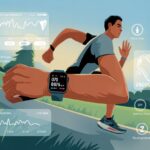
Running a marathon isn’t just about slogging through 26.2 miles. It’s more like running, sweating, planning, and—let’s be real—wondering why we ever signed up in the first place, especially around that infamous mile 20.
That’s where a trusty fitness tracker tries to swoop in and help, promising to track every mile you run and maybe even all those creative excuses for skipping a long run.
Fitness trackers aren’t just step counters anymore. Now, they’ll monitor our heart rate, log our sleep, measure pace and distance, and sometimes remind us to breathe (which, honestly, is nice).
For marathoners—or anyone who likes to drop “I’m in training” into every conversation—these gadgets keep our plans organized and might even motivate us to roll out of bed before sunrise. Picking the right one, though? That almost feels as hard as the training itself, especially with so many features like GPS accuracy, battery life, and, let’s not forget, how annoying the wristband feels after an hour.
Battery life, GPS accuracy, comfort, and ease of use are the big things to watch for before buying. If you’ve ever had your tracker die halfway through a long run, you know that pain—almost as bad as finding the ice cream gone at home.
Price matters too, since some trackers cost as much as a pair of running shoes (or maybe three).
We spent hours researching, comparing, and sweating through long runs with the latest trackers to find the ones that can actually keep up with marathon training.
Best Fitness Trackers for Marathon Training
Marathon training isn’t just running—it’s about tracking every sweaty step along the way. We rounded up the best fitness trackers to help log miles, count heartbeats, and remind us that lying down doesn’t exactly burn calories.
This tracker works well for anyone who wants to keep tabs on their health, avoid stressing over data, and maybe even remember what a full night’s sleep feels like.
Pros
Light as a feather, so we forget it’s there
Gives us health scores—stress, sleep, readiness
Battery life lasts ages; we barely remember to charge it
Cons
Needs our phone for GPS—no sneaky phone-free runs
Premium perks vanish after six months unless we pay up
Display feels a little small for our marathoner fingers
Wearing the Fitbit Inspire 3 feels like having a gentle coach nudging us through the day. Sleep tracking actually explains why we feel like slugs some mornings, and it keeps tabs on our heart rate when we sprint for the bus.
The tracker is so light that sometimes we forget it’s on—until it buzzes with a snarky “time to move!” reminder. We wish we didn’t have to bring our phones to map our runs, but GPS only works when the tracker tethers to the phone, so unplugged runs are out. And after six months, those premium features start asking for cash.
Fitbit Inspire 3 fits into almost any runner’s routine, waterproof and all. The battery lasts so long we lose track of when we last charged it.
For marathon training, it strikes a nice balance between health insights and daily use, even if the display makes us squint sometimes.
If you want a tracker that keeps up with wild marathon dreams (and doesn’t judge late-night runs), this one’s worth a look.
Pros
AMOLED screen looks so good we almost forget our sweaty selfies
Race-ready training plans adapt to our failures and tiny wins
Battery life lasts longer than a Netflix binge
Cons
Heart rate readings sometimes get a little dramatic
Touchscreen gets stubborn with sweaty hands
Pricey enough to make us consider running with a sundial
We tested the Forerunner 165, and it made marathon prep less intimidating. On our first run, the screen was so bright we felt like secret agents.
The training plans are a real boost, especially for those of us who need our wrist to yell at us to stick with it. Daily stats and recovery updates are actually helpful. The watch gives us a nudge to rest (which we ignore, but at least we feel guilty in style).
The battery lasted so long we forgot where we put the charger. Sometimes the heart rate reading is more dramatic than we are on a Monday, and the touchscreen gets a little moody when we’re drenched in sweat.
Still, for marathon junkies, this Forerunner 165 is a solid running buddy—even if it can’t fix our pacing.
If you can barely find your keys, let alone map a marathon route, the Fitbit Charge 6 keeps you on track (literally) without needing a personal assistant.
Pros
Easy-to-read health insights and keeps up with marathon training
Battery life outlasts our last “exercise more” promise
Google Maps and music controls are lifesavers on long runs
Cons
Menu system sometimes feels as confusing as last year’s taxes
Not everyone can use Google apps (hello, country restrictions)
Band comfort is solid, but the design isn’t for everyone
If you’re serious about prepping for a big race, the Fitbit Charge 6 brings a stack of useful features—like built-in GPS and real-time heart rate on exercise equipment, so you don’t have to guess how hard you’re working (it’ll tell you, sometimes a bit too honestly).
The battery impressed us; ours handled nearly a week before needing a charge, which is longer than our resolve to avoid snacks. Tracking daily runs and sleep just works, and the stress score lets us know when those hills are really getting to us.
Controlling YouTube Music mid-run and using Google Wallet to buy a snack on the fly? Yes, please—we love not fumbling with our phones while questioning our life choices at mile 20. Navigation during long outdoor runs is a big bonus.
While the Fitbit Charge 6 won’t run the marathon for us, it makes training easier (and more fun to brag about).
If you want a no-nonsense running watch that keeps you on track (but doesn’t call you out for skipping leg day), the Garmin Forerunner 55 is a great pick.
Pros
GPS is accurate and reliable, even when weaving through city blocks or hiding in the woods
Battery life lasts longer than most of us do in marathon training
Daily suggested workouts save us from Googling “how not to run like a potato”
Cons
Display is not great for those with less-than-stellar eyesight or giant wrists
Basic design means we won’t turn heads at dinner parties (unless it’s a runners’ potluck)
Lacks fancy features like music storage
Training for a marathon with this watch makes us feel like “serious runners”—you know, the ones who check splits mid-run and casually mention VO2 max at brunch. The GPS is spot-on, so we can brag about new PRs without getting side-eyed by techy friends.
Not needing to charge it every night gives us one less excuse to skip those early miles. The Forerunner 55 keeps things simple. Press a button, start the run, and let the watch do the nerdy stuff.
Daily workout suggestions are perfect when our brains just don’t want to plan. At the same time, the watch stays out of the way—no flashy screens to distract us from the squirrel we nearly tripped over.
If we forget our reading glasses, we’ll definitely squint at the smaller display. The look is pretty plain, too—not exactly a style statement. Still, the Forerunner 55 nails the basics and helps us get across the finish line in one piece.
If you want marathon training stats without feeling like you’re strapped to a science experiment, this tracker is an easy choice.
Pros
Tons of exercise modes for training and cross-training days
Screen looks sharp enough to make us forget our old scratched-up watch
Reminds us to move and drink water—like a gentle, wearable mom
Cons
GPS only works if we bring our phones along
Menus might test your patience if you’re in a rush
Band style isn’t the most subtle if your “running outfit” is last night’s sweatpants
Firing up the Wontrum Fitness Tracker for the first time honestly made our old watch look sad. The display is really clear, even when we’re glaring at it during a sweaty, half-delirious long run.
Swiping through 128 exercise modes, we felt like kids in a (healthy) candy store. We tried tracking running, yoga, and, on a lazy Sunday, walking to the coffee maker—each mode logged our stats without fuss.
We appreciated its health monitoring features, especially when we noticed our heart working overtime after sprinting for a green light. Sleep tracking surprised us with more data than we expected, confirming we really do toss and turn at 3 a.m.
Notifications came through on our wrists, so we could check texts between water stops without digging for our phones. For those who forget to move or hydrate, the reminders are gold.
Battery life is solid—we got more than a week of workouts between charges, and we never worried about rain or sweat thanks to its waterproof design. Still, dragging our phone along for GPS isn’t our favorite, and the style probably won’t win any fashion awards.
For tracking stats and keeping us honest with training, this little square wins big points.
If you want a marathon-ready fitness tracker with loads of features but don’t want to empty your wallet, this one’s honestly pretty great.
Pros
Tracks heart rate, blood pressure, and other health stats
Over 120 sports modes—marathoners, take note!
Battery lasts ages; magnetic charging is a breeze
Cons
The band sometimes slips off during wild runs
Display
Buying Guide
Training for a marathon? Picking the right fitness tracker feels a lot like searching for that perfect pair of running socks—important, but wow, it’s easy to overthink.
Battery Life? Nobody wants their tracker to tap out before they do. On those long training days, a battery that keeps going is non-negotiable.
If we’re plugging it in every night, that gets old fast.
Accuracy in Tracking really matters. We want our steps, distance, and heart rate to be close to the real deal.
It’s such a letdown to think we’ve crushed 10 miles when we barely made it to the fridge.
Comfort Level is a big deal. Running 20 miles with a chunky device on your wrist? No, thanks.
Lightweight, adjustable bands can make those miles a lot more bearable.
Here’s a quick table to help sort out what actually matters:
Feature
Why It Matters
Quick Tip
Battery Life
No mid-run surprises
Check mAh and reviews
Water Resistance
Sweat and rain happen
Look for water rating (IPX)
GPS Accuracy
Route tracking
Built-in GPS > phone connected
Heart Rate
Keeps us safe
Adjustable sensors fit better
Comfort
Happy wrists = happy miles
Try before buying if possible
Let’s not forget about screens that are easy to read and controls that actually make sense.
When you’re wiped out, who wants to fumble around for the right button?
If it syncs with your phone or computer without headaches, that’s a win in our book.
Watching those stats stack up? Honestly, it feels pretty great.
Hi, my name is Garrett Jones, and I am a tech enthusiast. I enjoy researching the new tech that has been released, and have a vast knowledge of the best tech to purchase.
From a young age, I have always had a big interest in technology, and this blog is an extension of that interest. Through this blog, I hope to provide others with all of the information they need regarding tech options to consider, and things such as compatibility. Some of the different items I will be discussing include headphones, smartwatches, and how to fix common issues.