
Let’s be real—most of us would rather flop on the couch with chips than meditate when we’re stressed. But here’s the thing: our fitness trackers can actually help us spot stress and chill out before we turn into grumpy hedgehogs. These gadgets aren’t just glorified step counters; they check our heart rate, watch our sleep, and even nudge us when we look like we’re about to lose it.
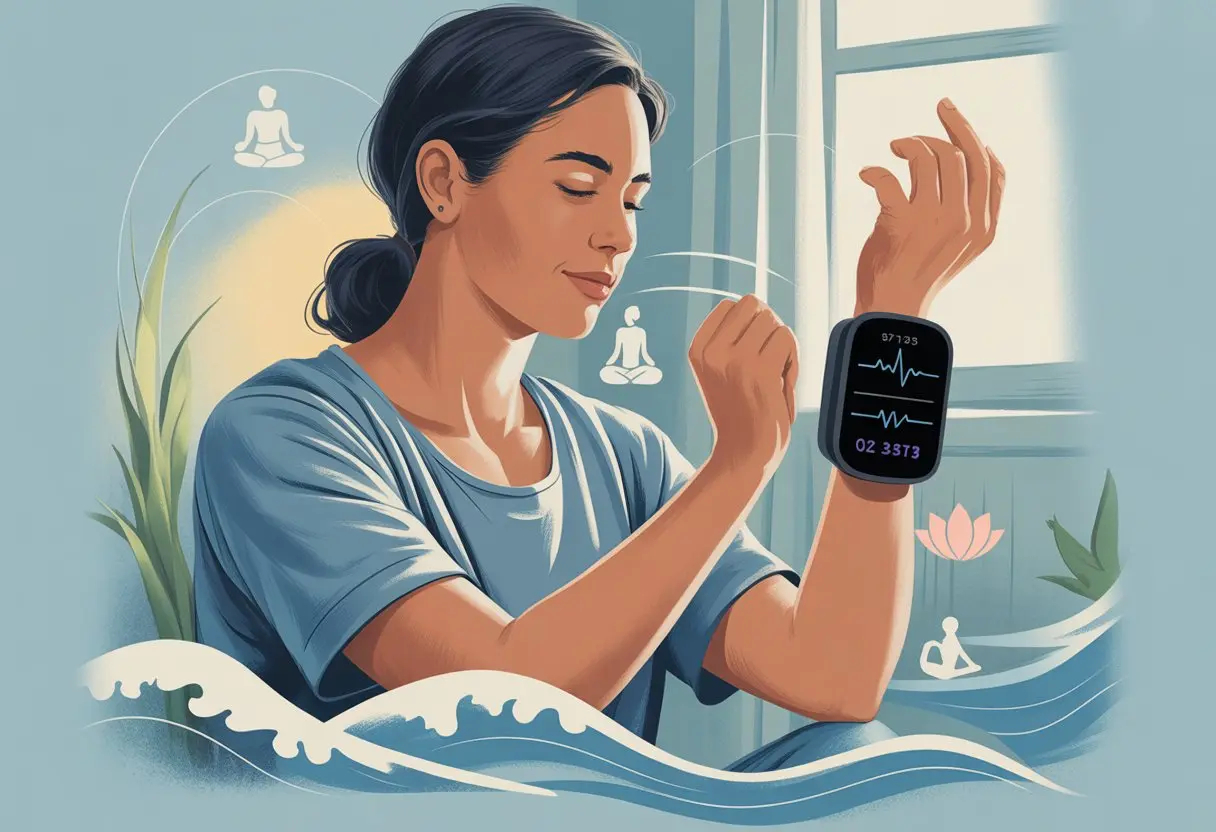
Imagine your watch gently suggesting, “Hey, maybe take a breather?” instead of your cat giving you that unimpressed stare. Smartwatches from brands like Garmin and Fitbit now track stress levels, send alerts when we’re tense, and toss out quick ideas like breathing exercises. If our wrists can help us keep our cool, why not let them?
If you’re tired of letting stress call the shots, let’s check out a few easy ways to team up with our trackers. Maybe we’ll even make stress relief a bit more interesting than another cheesy poster on the wall.
Understanding Stress and Fitness Trackers
Wouldn’t life be easier if stress just introduced itself? Instead, it sneaks up, making a mess of our bodies and minds. Luckily, fitness trackers help us spot stress and its warning signs through some clever measurements.
What Fitness Trackers Measure
Fitness trackers work like tiny detectives on our wrists. They keep an eye on key stats to clue us in on how we’re doing. Heart rate is their favorite—if our heart’s racing and we’re not running, stress might be the culprit.
A lot of wearables now check heart rate variability, or HRV. That’s just the difference in time between each heartbeat. When HRV drops, it usually means we’re tense. Some advanced models even track skin temperature, sleep, and activity levels.
Some trackers go further and check blood pressure or measure electrodermal activity—basically, how sweaty we get. Sweaty palms might ruin a handshake, but at least now we know what’s up.
How Stress Manifests in the Body
Our bodies never send a polite message when stress shows up. Instead, they leave clues. Our heart pounds, hands get clammy, and our breathing turns shallow.
Even our sleep might take a hit—we toss, turn, and wonder why we agreed to that extra project. Other signs? Muscle tension, headaches, and the urge to sigh dramatically.
A dip in HRV often tags along with these symptoms. Stress can push our blood pressure up faster than we climb stairs when someone says “deadline.” Continuous electrodermal activity (CEDA) sensors can even pick up tiny changes, like sweaty palms during awkward meetings.
All these signals add up and help us notice stress, even when we’re busy pretending we’re fine (we’ve all done that).
Types of Stress Data Collected
Our trackers don’t just sit there—they collect a lot of stress data. Here’s what they usually track:
- Heart rate and heart rate variability (HRV)
- Stress level scores (using algorithms)
- Electrodermal activity readings
- Skin temperature
- Sleep quality and duration
- Body response events (like sudden changes in skin conductivity or pulse)
Some trackers use this info to send alerts or suggest guided breathing, turning our wrist into a mini yoga teacher. Many calculate an overall stress management score to show how we’re handling life’s curveballs. By gathering all this, our devices help us spot patterns and make changes—no more guessing what’s going on inside.
Getting Started with Your Fitness Tracker
Starting with a new fitness tracker isn’t as scary as putting together IKEA furniture. We just need to set it up, learn how to grab our stress data, and actually use it before it ends up in a drawer.
Setting Up for Stress Tracking
First, we charge our tracker and wake it up. All-day stress tracking usually needs us to turn on features like heart rate monitoring or HRV measurement.
On devices like the Fitbit Sense 2, stress management tools are in the menu—sometimes called “Stress,” “Relax,” or shown with a calm little face. We should wear the tracker snug (but not too tight) for the best results.
Most devices ask for some health basics—age, weight, and maybe our feelings about running—so they can personalize our stress scores. Guided breathing exercises are easy to find, usually by swiping or tapping.
Instructions are pretty straightforward, even for those of us who still Google how to use the microwave. Some trackers show daily stress results right on the screen, a handy way to see how much that group text stressed us out. For more details, check out the Fitbit stress tracking guide.
Syncing Data with Apps
We don’t need to be tech wizards to sync our tracker with our phone. Most trackers just want us to download their app (Fitbit, Garmin, Wear OS, etc.). Bluetooth does the rest.
Open the app, pair with our device, and link our account. Once we’re set up, daily stress scores and HRV data quietly show up in the app—no spreadsheets required.
Some apps display stats with colorful graphs so we don’t have to squint at numbers. Want to see stress trends over time? Just check out weekly or monthly charts and find out if Mondays really are the culprit.
Syncing usually happens automatically, but we can always hit refresh if things seem slow. If we use other wellness apps, we might even share stress data between them. Now, our stress levels are more connected than our group chats.
Personalizing Stress Alerts
Getting buzzed every time we stress out is helpful and a little annoying—like having a mini coach on our wrist. But we control the settings.
We can open app notifications and decide when and how we want stress nudges. Trackers like Sense 2 let us pick between gentle vibrations or app alerts when our stress or HRV jumps.
We can set alert frequency, quiet hours, or turn off alerts if we’ve had too much coffee already. Want reminders only during work? Easy.
Customizing these alerts helps us avoid unnecessary interruptions—like stress alerts during our favorite show. We can also set reminders for guided breathing when things get too intense. It’s like having a personal stress butler, minus the tuxedo.
Tracking and Interpreting Stress Data
Seeing your own stress stats on a screen feels weird at first, but fitness trackers actually help us understand what’s happening in our bodies. We figure out when chaos hits hardest and when we finally get a breather.
Knowing what these numbers mean gives us a little more control over stress.
Understanding Stress Scores
When we put on a fitness tracker, we basically get a pocket-sized stress detective. Most trackers show a stress management score, usually based on heart rate variability (HRV), heart rate, and sometimes our breathing.
A high stress score doesn’t mean we win anything—it just means our body’s in “uh-oh” mode. Lower numbers mean things are calmer, or at least our body thinks so.
Some trackers, like Fitbit and Garmin, add in extra details. They use color-coded charts or easy-to-read numbers. If we see spikes for no reason, it might be time to slow down—unless we’re running from geese. Then, just run.
Recognizing Periods of Stress
Spotting when stress spikes is important. Fitness trackers flag “periods of stress” with sudden heart rate jumps or HRV dips.
We might see these during tense meetings, homework marathons, or when we realize we’re out of snacks. Many devices send alerts or log these moments. Garmin watches, for example, might suggest a guided breathing exercise when our stress climbs.
We can check these logs to see exactly when we turned into stress piñatas. Noticing these moments helps us make better choices in the future and avoid saying yes to every group project.
Monitoring Periods of Rest
Watching for rest periods matters just as much as stress spikes. Fitness trackers don’t just sound the alarm—they celebrate downtime too.
Our devices look for lower heart rates and steadier HRV, which means our bodies have switched from “fight-or-flight” to “nap-and-snack.” We can see rest periods after breaks, meditation, or a decent night’s sleep.
Some trackers even give us a digital high five, or at least a gentle buzz. Tracking these moments tells us what helps us recover—maybe it’s a cat video, maybe it’s a nap.
Checking rest data helps us notice if we’re skipping downtime. If a whole day passes without any rest, it’s probably time to hide under a blanket for a bit.
Spotting Patterns in Your Day
After a week or so, our wearable starts to reveal the big picture—when we’re most stressed and when we finally relax. Most devices use graphs or tables for this.
We might notice stress spikes every Monday at 8 AM, or discover lunch is our calmest hour (thanks, grilled cheese). Looking at daily patterns helps us spot triggers or habits that ramp up our stress. Maybe too much coffee, or maybe we should stop checking email before breakfast.
Rest periods might always follow a certain playlist or evening stroll. Seeing these routines lets us make better choices for mental health. We can plan rest before big events and avoid stressful stuff right after waking up.
Small changes stack up, and suddenly, we’re running the day—not the other way around.
Leveraging Physiological Metrics for Stress Relief
We can use fitness trackers to watch our body’s stress signals and get real-time feedback. By tracking certain physical metrics, we often catch stress before it spirals and take action to stay calm (and maybe avoid snapping at the dog).
Heart Rate and HRV Explained
Let’s start with the heartbeat, our built-in drum. Fitness trackers watch our heart rate, counting how many times our heart thumps each minute.
When we’re stressed, our heart rate often jumps—like it’s running a solo cardio session.
But heart rate variability (HRV) is where the real magic happens. Instead of just counting beats, HRV looks at the time gap between each one.
A high HRV usually means we’re relaxed and adaptable. On the flip side, a low HRV hints we might be tense or frazzled.
Researchers have noticed that HRV tends to drop when we’re in crisis mode—like the third time we lose our phone charger this week. If we keep an eye on these numbers, we can spot stress early and try those guided breathing tricks from Garmin or Fitbit.
That makes stress relief feel a bit more scientific and a lot less dramatic. Want to dig deeper? Check out this article on how wearables track stress using heart rate and HRV.
| Metric | What It Means | Why It Matters |
|---|---|---|
| Heart Rate | Beats per minute | High = possible stress |
| HRV | Gap between heartbeats | Low = less relaxed state |
The Role of Electrodermal Activity
Our hearts do the main work, but our skin has a say too—thanks to electrodermal activity (EDA). EDA is just a fancy way to measure how sweaty our skin gets when we’re stressed.
Fitness trackers pick up these tiny electrical shifts in our wrist’s sweat glands (sorry if you’re a bit clammy).
Fitbit and Google watches, for example, use EDA to spot stress before we even realize we’re tense. If our EDA spikes, our tracker might nudge us to try a quick meditation or relaxation exercise right away.
That means less guessing and more actual chilling out, even after another printer meltdown. If you want to see how these gadgets help manage stress, check out this breakdown.
Key points about EDA:
- Spots stress by reading electrical changes in the skin
- Tracks responses in real time with tools like continuous electrodermal activity (cEDA)
- Lets us know when we need a break—not just a snack
Utilizing Fitness Tracker Features for Stress Management
When life gets overwhelming, our fitness trackers have a few clever ways to help us cope. They offer tools right on our wrists to reduce stress and help us relax—no yoga certification required.
Guided Breathing and Relaxation Exercises
Most trackers come with guided breathing exercises that walk us through calming breath routines. Our devices might vibrate softly or show simple animations, so we know when to inhale and exhale—no finger-counting needed.
These sessions use biofeedback, checking our heart rate to see if we’re actually calming down. We can pick how long we want to practice, whether it’s a quick one-minute breather or a five-minute break from the group chat.
Some trackers even remind us to take a deep breath when we’re wound up. Doing these routines can help us lower our heart rate and relax, even just a little.
If you want to try something new, some devices suggest box breathing (inhale, hold, exhale, hold, all for equal counts). More on breathing and mental well-being at Smartech Daily.
Movement and Activity Reminders
Our trackers know when we’ve been sitting too long. With regular movement and activity reminders, they nudge us to get up, walk, or at least stretch.
It’s like having a tiny, persistent coach on our wrist. We can set how often we want reminders, and if we’re still, we get a gentle buzz.
Even a quick stretch or walk can boost our mood and reduce stress levels. Some trackers even compare our activity and stress, so we can see if those jumping jacks actually helped.
Want more details? Check out Ditch Stress for smarter movement reminders.
Advanced Stress Detection Technologies
Now, our wrists can practically spill our secrets about stress—even if we’re just waiting for coffee. Fitness trackers use smart tools to sense stress, and suddenly, skin temperature matters more than we thought.
How Machine Learning Improves Accuracy
Machine learning is like a nosy detective living in our tracker, always searching for clues. It doesn’t just count steps—it digs into our heartbeats, breaths, and fidgety moments to spot stress.
Instead of guessing, machine learning checks patterns from our past data. It can tell the difference between “I’m late for work” panic and “I just did three jumping jacks” excitement.
It even learns our usual rhythm, so it won’t freak out every time we get an email from the boss.
This tech can spot tiny changes we’d never notice. For example, some trackers automatically analyze HRV—a drop can mean stress. Our gadgets can ping us the moment we need to breathe, which, honestly, sometimes happens right after lunch.
The Influence of Skin Temperature Data
Skin temperature isn’t just about being sweaty. Trackers now use it to help predict stress, and our skin has a lot to say.
When we’re anxious, our temperature can shift—even if nobody else notices. It’s about those subtle changes our bodies make behind the scenes.
Here’s the gist:
- Cooler skin: Could mean our body is in “fight-or-flight” mode, narrowing blood vessels.
- Warmer skin: Usually shows we’re relaxed, maybe watching cat videos.
Sensors track these shifts all day long. Paired with heart rate and movement data, they give us a fuller picture of our stress—not just caffeine jitters.
Many new trackers use skin temperature sensors with other metrics to give us real-time, science-backed feedback—hopefully before we lose our cool in a meeting.
Integrating Stress Tracking with Overall Wellness
Using a fitness tracker isn’t just about tapping a screen or checking our pulse (although, that’s kind of fun). Understanding how our brain and body connect can help us handle rough days and figure out why we feel like overcooked spaghetti after a bad night’s sleep.
Linking Stress Data to Mental Health Goals
If our tracker shows our stress is sky-high, it’s probably time to pay attention to our mental health. Tracking stress helps us spot patterns—like if Monday meetings always turn us into pressure cookers.
We can use this info to set goals. Maybe we want to lower our average weekly stress score, or spend more time on relaxing activities, like guided breathing or petting the neighbor’s cat (if they let us).
A lot of trackers let us log our mood or remind us to take a breather when we need it most.
These tools give us a better look at how our daily habits shape our mood. They make it easier to talk with a doctor or counselor, since we have real data, not just guesses, about our stress.
No more shrugging and saying, “I think I’m fine?” at checkups.
Combining Sleep, Activity, and Stress Metrics
Stress, sleep, and activity are the ultimate love triangle in wellness. Our tracker lets us see how they mess with each other.
Did we toss and turn all night and then feel frazzled all day? Or did a long walk help us sleep better and keep stress down?
We get to see these trends in simple charts—makes us feel like scientists, honestly. Here’s a quick example:
| Day | Steps Taken | Sleep Hours | Stress Level |
|---|---|---|---|
| Monday | 3,000 | 4 | High |
| Tuesday | 8,000 | 7 | Medium |
| Wednesday | 12,000 | 8 | Low |
When the numbers line up, we know our routines are working. If not, maybe it’s time for an earlier bedtime.
Some devices even prompt us to relax or show when our activity pays off in lower stress, like Garmin’s stress tracking.
Maximizing Long-Term Benefits
For real stress relief, we can’t just use a tracker once and forget about it. We need a plan that keeps us calm and healthy, even when life gets wild.
This means making small changes we’ll actually stick with and watching how our bodies react over time.
Building Sustainable Stress-Relief Habits
Let’s be honest: willpower alone won’t help us remember to breathe deeply during rush hour. That’s why fitness trackers are handy—they remind us to take breaks, stretch, and not scream into a pillow (especially in public).
Setting stress alerts gives us that gentle nudge to try quick relaxation tricks, like deep breathing or a brisk walk.
We should use our trackers to build routines, not just react to stress. Scheduling rest is important, and most wearables make it easy.
A regular rest routine lets our bodies reset, instead of running on fumes. If we set targets for steps, sleep, or active minutes, we’ll notice small wins.
These wins add up and make healthy habits feel normal—even if yoga still isn’t our thing.
Tracking Your Progress Over Time
Getting better at stress management isn’t about just guessing if we’re less cranky this month than last—thank you, fitness tracker data!
Most trackers keep tabs on things like heart rate variability (HRV), and sometimes they nudge us when our stress spikes.
When we notice patterns, we can figure out what actually helps us relax and what just makes things worse.
If the device shows stress always hits before big meetings, why not plan for a quick walk or a short meditation?
Sleep and activity logs show us how periods of rest connect to how our bodies handle daily pressure.
A lot of trackers even let us graph our progress, so we can literally see our stress levels drop over time—it’s honestly more satisfying than a gold star sticker.
For more ideas, check out how fitness trackers help with health management.
You can also see how activity trackers boost our routines.

From a young age, I have always had a big interest in technology, and this blog is an extension of that interest. Through this blog, I hope to provide others with all of the information they need regarding tech options to consider, and things such as compatibility. Some of the different items I will be discussing include headphones, smartwatches, and how to fix common issues.
- The Best Rugged And Waterproof Smartwatches - October 21, 2026
- 10 Best Military Smartwatch – Find The Best Tactical Military Watches in 2023 - October 20, 2026
- Are Wired Headphones Safer Than Bluetooth? A Friendly Guide - October 20, 2026
Related Posts: