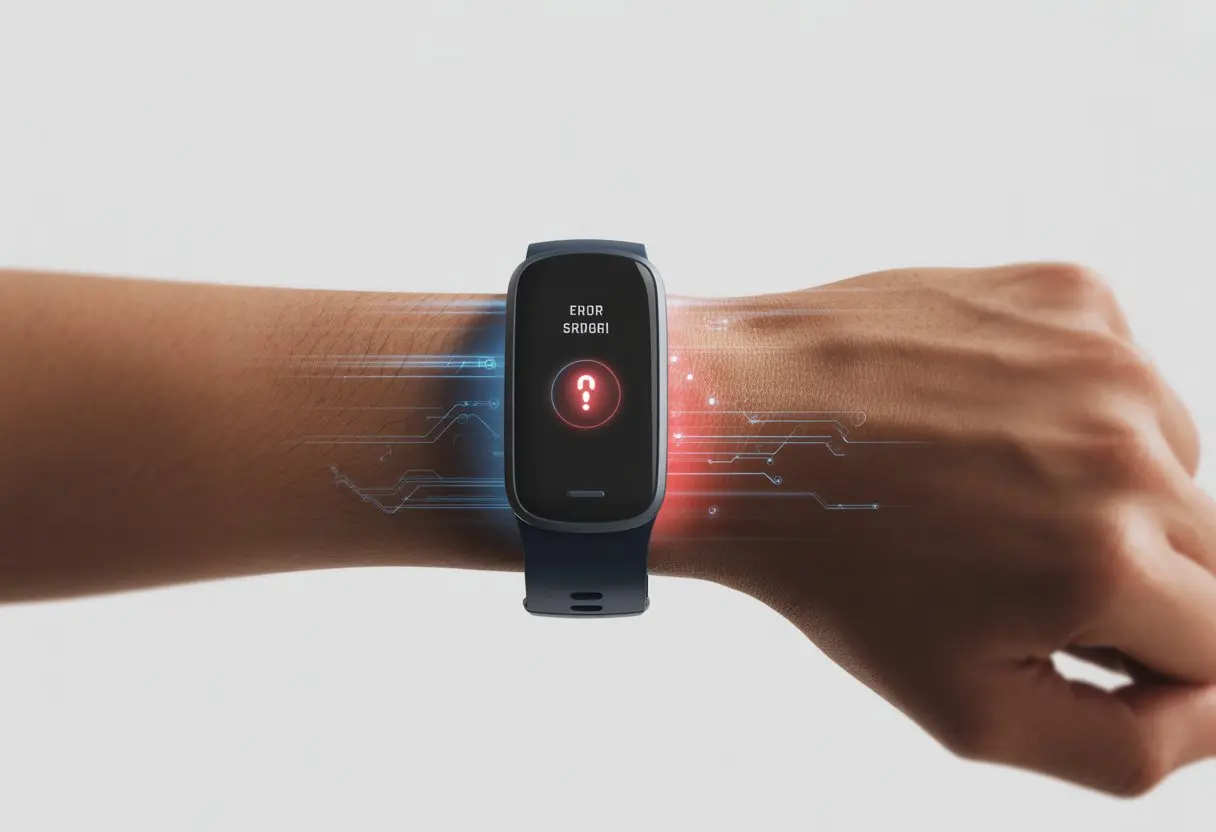
We’ve all been there—geared up for a workout, and suddenly our fitness tracker flashes error code 03 instead of showing off our steps. It’s like our exercise plans got sidelined by a stubborn little gadget.
Error code 03 usually means the device has a problem with its speed sensor, connection, or motor, and that can totally derail our fitness momentum.
Honestly, nothing kills motivation faster than a tracker that decides to talk in riddles. We want our devices tracking—not throwing cryptic errors at us without warning!
Let’s dig into what error code 03 actually means for most fitness gear, why it even happens, and what we can do to get back to sweating instead of troubleshooting.
If you’ve ever wanted to crack the code on these fitness tracker mysteries (while saving your sanity), stick around. With a dash of humor (and maybe some troubleshooting), we’ll help turn error code 03 into just another blip.
What Is Fitness Tracker Error Code 03?
If our fitness tracker flashes error code 03, it’s not congratulating us for reaching 10,000 steps. This code usually means something’s up with the sensors or the inner workings of the device.
Common Causes of Error Code 03
Error code 03 loves to show up when we least want it—right as we’re about to crush a goal. It usually points to issues with the speed sensor, safety key, or the device’s wiring.
Other possible reasons?
Bad connections inside the tracker
Glitchy control boards
Software bugs after an update (because of course)
Sometimes, the equipment gets thrown off by a misplaced magnet or a loose cable. Treadmills can throw this error when the motor thinks it’s running a marathon while the belt takes a nap.
Typical Symptoms Displayed
Let’s be honest—error code 03 doesn’t exactly send a polite notice. Here’s what usually happens:
The tracker or treadmill just stops right after we hit start.
The screen flashes “E03” (sometimes with a dramatic beep).
Speed or distance stats freeze, don’t update, or just drop off a cliff.
The treadmill belt might refuse to move, or the incline acts up.
Sometimes the panel lights flicker, or the whole thing just refuses to start. Certain machines show the code after a few seconds, then quit, like they’re calling it a day before we even begin.
Models and Brands Commonly Affected
No brand is totally safe from error codes—these numbers don’t play favorites. We see error code 03 show up a lot on treadmills and trackers from ProForm, NordicTrack, and plenty of budget brands (the kind you buy at 2am because it looked like a deal).
Older machines seem especially prone to this error, probably because their parts are just tired. Home-use models from Carl Lewis or Delta Fitness pop up a lot too. Even the fancier commercial models aren’t immune—they just make the error look a little flashier.
The Error Code 03 & Treadmills: The Plot Thickens
Before we start tearing apart our treadmill, let’s admit it—error code 03 can make us sweat more than the workout itself. Usually, it’s one of three things: the speed sensor, the safety key, or a sneaky team-up between magnets and sensor wheels.
Understanding the Treadmill’s Speed Sensor
Think of the speed sensor as the treadmill’s nosy neighbor—it always wants the latest scoop. It measures how fast the belt moves and reports to the control board.
If the sensor can’t do its job—maybe because of dust, loose wiring, or a missing magnet—the treadmill throws a fit with error code 03.
Our equipment won’t work right if it thinks we’re running backward or standing still. A dirty sensor can miss the belt’s motion or send confusing signals. Sometimes, even a little bump to the sensor wire causes trouble.
We should peek under the hood and make sure the connections are tight and the sensor’s clean. For a closer look at these issues, check out this breakdown on treadmill error E03.
How the Safety Key Gets Involved
The safety key looks like a small sidekick, but it’s got all the power. It’s basically the “on-off” switch for our treadmill adventures.
If the safety key is missing or not seated right, the treadmill flashes code 03—basically saying, “Hey! Is it safe or not?”
Most home treadmills won’t even start without this little plastic hero. Sometimes, dust or crumbs in the slot trick the machine into thinking the key isn’t there. Other times, the magnetic strip in the key is just worn out.
Before blaming the speed sensor, let’s check the safety key. Is it there? Is it clean? Is it sitting snug? We’ve all had that moment—freaking out over sensors, only to find the key on the windowsill.
Role of Magnets and Sensor Wheels
Hidden under the belt, we find the unsung heroes: magnets and sensor wheels. They spin along with the motor, telling the speed sensor how fast we’re moving.
If a magnet slips or the sensor wheel gets dirty, the whole system goes off the rails. If the magnet is missing, the treadmill thinks nothing’s moving, even if we’re running like crazy.
Sensor wheels can pick up lint and dust, so a quick clean sometimes works wonders. Sometimes, just realigning things brings the treadmill back to life.
It’s always smart to check for missing magnets, wobbly wheels, and any other weirdness under the hood. If you want a step-by-step guide, this explanation keeps it simple.
Troubleshooting Fitness Tracker Error Code 03 Without Calling Your Neighbor
We don’t have to call the whole neighborhood to fix error code 03. With a few steps, we can check our treadmill or tracker, handle a grumpy speed sensor, and clean up contacts—no awkward chitchat required.
Check and Reseat the Safety Key
Let’s start with the classic move—checking the safety key. Most treadmills refuse to work if the safety key isn’t in place, and error code 03 loves to show up as a reminder.
Look for the red plastic tab or magnet by the console. Pull it out, maybe grumble a little, and check for dust or damage on both the key and the slot.
Pop the key back in—make sure it’s secure. If it’s loose, it won’t connect. Sometimes, just wiggling the key fixes the problem.
Plenty of mysterious errors disappear with this step, and we don’t even have to call anyone for help.
Inspect and Realign the Speed Sensor
If the safety key checks out, time to meet the star of the show: the speed sensor.
This little part tracks how fast the belt moves. When it’s dirty, out of place, or just confused, it can cause error 03—and maybe a few curses.
The sensor usually sits near the front roller, close to a magnet. Use a flashlight to find it.
Make sure it’s clean and close (but not touching) the magnet. If it looks crooked or too far away, gently adjust it. Sometimes, just realigning the speed sensor does the trick.
Cleaning and Maintaining Contacts
Grimy electrical contacts can mess with everything and trigger error messages.
Grab a small brush or soft cloth and wipe dust from the safety key slot, speed sensor, and buttons. For stubborn gunk, a little rubbing alcohol on a cotton swab works—just don’t drench anything!
Always unplug the treadmill before cleaning. This keeps things safe and might prevent error code 03 from coming back after your next walk (or failed attempt at running). A quick clean keeps our gear happy and the troubleshooting in our own hands.
When DIY Fixes Fall Flat: Escalating the Repair
Sometimes, no matter how many times we restart or mess with magnets, error code 03 sticks around. So, what next? Let’s look at the usual suspects—like the safety key, speed sensor, and, if we’re honest, the moment we finally call a pro.
When to Replace the Safety Key or Magnet
If the treadmill thinks we’re sprinting when we’re just standing there, the safety key or magnet might be the culprit. These tiny parts tell the treadmill it’s safe to run.
A missing or worn-out key often triggers error code 03. First, check that the safety key is in place and the magnet isn’t weak or cracked.
If it looks battered, swap it out. Most safety keys and magnets are easy to replace. Order a new one online or bring the old one to the store (try not to drop lint everywhere).
Replacing them can clear the error and stop the beeping before we lose our patience.
Fixing or Replacing a Faulty Speed Sensor
If the treadmill thinks we’re running at warp speed but we’re not, the speed sensor might be flaky. This part tells the treadmill how fast the belt actually moves.
First, unplug the treadmill—we’re not looking to get zapped. The speed sensor usually sits near the front roller and looks like a tiny plastic box with wires.
Sometimes, a dusty sensor just needs a gentle wipe with a dry cloth. If that doesn’t help, we might need a new sensor.
Swapping it out isn’t too tough, but a step-by-step guide can help us feel like repair champs. For more details, here’s a DIY guide for repairing fitness tracker displays—it might help with other fixes too.
Calling in the Professionals
If we’ve swapped magnets, cleaned sensors, and still see error code 03, maybe it’s time to call in the experts.
Repair techs have the tools, spare parts, and, honestly, more patience than we do. If the error keeps coming back, or we spot burnt wires or weird smells, let’s just let someone else handle it.
Nobody wants a workout ruined by a sudden error flashing on the display. With a few smart routines and a bit of attention, we can keep error code 03 from taking over our fitness equipment and wrecking our treadmill love affair.
Treadmill and Fitness Equipment Maintenance Tips
A home treadmill needs more than just our sweat. Regular checkups keep it running and help us avoid the dreaded code 03.
Let’s set up a monthly “treadmill date” to check cords, plugs, and the emergency key. Testing the safety key is quick—just pop it out and back in, like a fitness-themed fidget toy.
Loose bolts can ruin any stable workout. Grab a wrench, check for wobbly legs, and you’ll avoid a treadmill that tries to impersonate a roller coaster.
Always take a look at the power cord for fraying or sneaky damage. If it’s starting to look like spaghetti, go ahead and swap it for a new one.
Keeping a maintenance log—even if it’s just a scribbled note stuck to the fridge—makes it easier to remember the last tune-up. Plus, who doesn’t want an excuse to brag to friends about their dedication to treadmill care?
Cleaning, Lubricating, and Calibrating Like a Pro
Crumbs and dust bunnies don’t belong anywhere near our fitness spots. By cleaning the belt and console, we keep sensors happy and might even banish error codes for good.
Unplug the treadmill first, then grab a soft cloth and use a little elbow grease for a good shine.
Add lubrication every few months. Spray or apply treadmill lubricant under the belt, following the manual—unless you actually enjoy mysterious squeaks or the belt stopping mid-run.
If something feels off, try calibrating the speed sensor or checking the belt alignment. Many treadmills walk us through calibration with a few console button combos.
Check the manual or the manufacturer’s website for the right sequence.
Ignoring Error Codes: The Hidden Dangers
Pretending error code 03 is just a “feature” is a huge mistake. Small codes usually point to speed sensor problems or worn parts.
If we ignore them, we risk bigger issues. Some codes might stop the treadmill from inclining or even running at all.
Damage can build up, leading to expensive repairs. Error code E03 usually means trouble with the safety key or sensors.
Take errors seriously. When the console flashes an error, pause the workout, check it out, and act—unless running in place for hours is secretly your thing.
The Secret Life of Fitness Tracker Error Codes (And Why Not All Codes Are Created Equal)
Error codes on fitness equipment have a way of popping up when we least expect it. Some codes tell us exactly what’s wrong, but others? They feel like a riddle written in robot language.
Other Common Treadmill Error Codes
Let’s be honest: our treadmills love throwing curveballs. Sometimes we’re jogging along, and the console flashes an error like E1 or E6.
For example, E1 usually means the speed sensor or reed switch is acting up, and the treadmill can’t figure out how fast we’re trying to run. This often happens when the sensor’s dirty or the belt is dry as yesterday’s toast.
We might see codes like Error Code 6 if the system isn’t talking to itself properly—a missed handshake between important treadmill parts. Then there are mysterious codes like E2 or E7, which could mean anything from a faulty incline motor to a power hiccup.
So, Error E03 might look a bit scary at first, but honestly, it’s not always as bad as it sounds. Most fitness trackers and treadmills throw up E03 when something’s off with the speed sensor or the running belt speed.
Basically, your treadmill’s just waving a little flag and asking for some attention before something more serious goes wrong. I mean, it’s kind of considerate, right?
This warning gives you a chance to handle simple stuff like lubricating the belt or tweaking the sensor before your machine decides to totally quit on you—probably right in the middle of your favorite playlist. Sometimes, I think we should actually appreciate these smart alerts, since they can save us from pricier repairs later on.
Hi, my name is Garrett Jones, and I am a tech enthusiast. I enjoy researching the new tech that has been released, and have a vast knowledge of the best tech to purchase.
From a young age, I have always had a big interest in technology, and this blog is an extension of that interest. Through this blog, I hope to provide others with all of the information they need regarding tech options to consider, and things such as compatibility. Some of the different items I will be discussing include headphones, smartwatches, and how to fix common issues.