If you’re a doctor, your schedule rarely feels like your own. Between rounds, endless charts, and those late-night coffee runs, keeping up with your own health can feel impossible sometimes. That’s where fitness trackers step in. These little gadgets help us sneak in steps, track our heart rates, and nudge us when we’ve been glued to the desk for too long.
Of course, not every tracker fits into the chaos of medical life. We need something accurate, tough, and easy to clean—nobody wants a tracker covered in mysterious “substances” before lunch. Long battery life is a must; who’s got time to charge things during a 24-hour shift? Features like heart rate monitoring, step counting, and notifications can seriously make a difference.
When we pick a fitness tracker, we really focus on comfort, water resistance (all that hand-washing, right?), and whether it can survive our unpredictable days. We spent a lot of hours digging into popular models and testing them out, just to find the trackers that actually work for doctors who want to stay healthy—without piling on more stress.
Best Fitness Trackers for Doctors
Let’s be honest, we’re probably running between patients more than we’re running laps. This list of top fitness trackers helps us count steps, keep tabs on our heart rates, and maybe—just maybe—remind us to get more than five hours of sleep. Here’s a look at the gadgets that could keep us a step ahead (pun intended).
BSLIZHEN Fitness Tracker
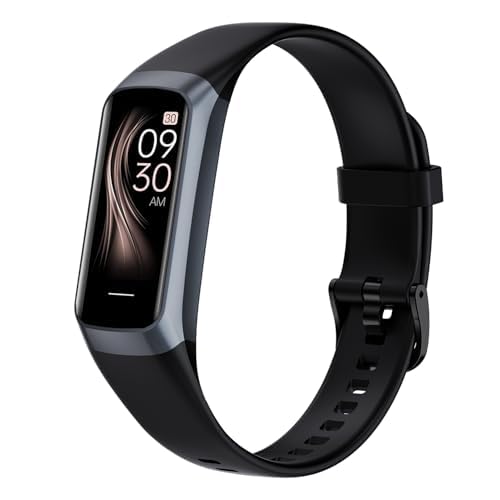
A practical pick for doctors who want to check their health pulse—without breaking the bank or fumbling for a stethoscope.
Pros
- AMOLED screen is crisp and easy to read, even under those bright hospital lights
- Heart rate, blood oxygen, and sleep tracking work non-stop
- Slim, modern design that fits right in under a white coat
Cons
- Setting up the app can feel like a mini adventure
- Notifications might distract you during busy clinic hours
- Touchscreen controls take a minute (or three) to get used to
If you’re juggling charts, patients, and the world’s tiniest cup of coffee, the BSLIZHEN Fitness Tracker blends into your life pretty easily. The display pops, so you can check your progress at a glance—even if you’re just grabbing a granola bar in the break room.
Customizable watch faces are surprisingly fun to play with, and yes, they do help us survive another long shift. We found the heart rate and blood oxygen features update often enough to keep us informed, but not anxious.
This tracker kept tabs on our sleep after those infamous on-call nights, and let’s just say, the numbers didn’t sugarcoat anything—our sleep scores matched our coffee consumption. Notifications come through reliably, so we don’t miss a message, though that’s not always a plus when admin’s looking for volunteers.
There’s a bit of a learning curve at first, especially with connecting it to the app, but once we got through setup, it mostly became a set-and-forget kind of thing. The band feels comfortable and doesn’t snag when we’re grabbing charts or picking up a stethoscope.
It’s not perfect, but for the price and features, we can see this tracker sticking with us through plenty of shifts.
Mindrose Fitness Tracker

If you want to track your health stats and still look like you’ve got it together on morning rounds, this gadget is a top pick.
Pros
- Tracks more health info than our interns’ coffee runs
- Battery life that might actually outlast our shift
- Sleek enough that no one will know you slept in it
Cons
- The sheer number of sports modes is dizzying
- GPS needs to sync with your phone
- Too many features can distract you from actual patients
Let’s be real, nothing feels better than glancing at your wrist and seeing a normal heart rate—especially after your pager goes off for the tenth time. The Mindrose Fitness Tracker doesn’t just give you the basics; it tracks everything except your caffeine intake.
Setup was simple, and scrolling through stats like steps, sleep, and O2 was surprisingly easy. We tried out a handful of the 115 sports modes, then decided walking to the cafeteria counts as cardio.
Getting notifications for calls and messages was a lifesaver—no more digging through white coat pockets just to find out it’s a group chat, not a consult. Any wristwear that survives frantic hand washing deserves a medal, honestly.
While we don’t need 150 different watch faces (though picking one that matches scrubs is fun), it’s a cool bonus. If only it could remind us what day it is after a night shift.
The only real challenge? Deciding which feature to try first. We wish connecting the GPS to our phone took a little less fiddling. Still, for busy doctors wanting to keep tabs on their own health, it’s a solid, stylish choice.
Fitbit Inspire 3

If you want to sneak in fitness tracking between patient rounds without looking like a cyborg, this Fitbit could be your new favorite sidekick.
Pros
- Battery lasts long enough you might actually forget where you put the charger
- Doesn’t feel like wearing a clunky pager from the ‘90s
- Effortlessly tracks stress and heart health (so we can stop pretending we’re fine)
Cons
- Needs your phone for GPS, so forget about running at dawn with just the tracker
- Some features hide behind a paid membership after the free trial
- Setup can take a minute (or several) if you’re not tech-savvy
Wearing the Fitbit Inspire 3 feels like strapping a little health buddy to your wrist. It’s light, so you barely notice it during a 12-hour shift, and you can finally monitor sleep, stress, and heart rate without hauling around extra gadgets.
It’s handy for seeing how your day actually affects you—which, honestly, is more than we’d like to admit. You don’t have to charge it every day, so you won’t end up watchless on a busy week just because you forgot to plug it in.
Blood oxygen and skin temperature features are there, but they’re more about general trends than critical stats. For our purposes—keeping tabs on well-being between back-to-back patients—it does the job.
Syncing the Fitbit with your phone can be confusing at first, and using GPS requires your phone nearby, which isn’t always practical. After the bonus premium trial ends, some advanced features move behind a subscription wall, which is a bit annoying.
Still, if you want a no-fuss, reliable tracker that keeps you on your toes (and maybe makes you look a little smarter), it’s hard not to like this one.
Zeacool Fitness Tracker

If you want health data at your fingertips without sticking electrodes on yourself, this tracker is a handy and surprisingly fun tool.
Pros
- Real-time heart rate and blood pressure tracking let us play doctor on ourselves
- Slim design fits even the tiniest wrists, so no worries about looking like you’re smuggling a mini-tablet
- Waterproof enough for hospital hand-washing, coffee spills, and “oops, I fell in a puddle” moments
Cons
- Step counter gets creative—sometimes counts arm flaps as steps
- Sleep tracking mistakes late-night Netflix for actual rest (if only!)
- Touch screen looks good, but under bright hospital lights, it can be mysterious
Strapping on the Zeacool, we first noticed the comfort—no chafing, no pinched skin, just a snug, stylish accessory. It looks sharp with scrubs, so style points for us, even if patients don’t notice.
Real-time vitals tracking feels like finally being our own patient, minus the paperwork. After a full day darting between rooms, the battery still had plenty of juice left for the evening.
Notifications pop up clearly, thanks to the crisp AMOLED screen, though it takes a few tries to swipe while juggling coffee and charts. We wish the step tracking would stop accusing us of slacking just because we’re not sprinting marathons.
Still, for the price, the Zeacool keeps us more aware—and honestly, a little amused—than frustrated. If you want to keep an eye on your health, this tracker definitely keeps you in the loop (just watch out for those “imaginative” step counts).
Aukire Fitness Tracker

If tracking your steps, heart rate, and sleep is as important as tracking your patients’ charts, this gadget deserves a spot on your wrist.
Pros
- Slim design slides under lab coat sleeves without a fight
- Blood oxygen and 24/7 heart rate monitoring right on your wrist
- One charge lasts through busy weeks—no battery drama
Cons
- Custom watch faces might distract you from rounds (admit it, swapping pics is fun)
- Notification settings take a few taps to personalize
- Some features work better with newer phones
Right away, we noticed the Aukire Fitness Tracker is slim and surprisingly comfortable. Nobody needs another bulky gadget jangling around, especially when we’re hustling between exam rooms.
The curved AMOLED screen is clear and makes glancing down for a quick health check super easy, even during a midday rush. Nonstop heart rate and blood oxygen monitoring come in handy, especially during long shifts.
It’s reassuring to have your own vitals at a glance while you’re keeping an eye on everyone else’s. The app makes it simple to review the data later, and if you care, there are 25 sports modes—so theoretically, you could track everything from clinic sprints to tennis.
Battery life gets top marks. We charged it while finishing notes and then forgot about the charger for a week—and it still hadn’t died. Setting up smart reminders for movement and water breaks is a small but genuinely practical perk.
Aukire’s tracker is an efficient, easy-to-use option that quietly keeps us in check—no stethoscope required.
AKUMAKA Health Band

If you want a health tracker that just quietly does its thing and doesn’t hit you with surprise subscription fees, this one’s probably your best bet.
Pros
- No subscription fees or sneaky app charges
- Super discreet—no flashy screen lighting up at the worst time
- Keeps tabs on heart, sleep, stress, and even our slightly awkward running form
Cons
- No display—so you’ll need your phone for all the details
- You can’t reply to messages right from your wrist
- Style options? Yeah, it’s basically “black or black”—Henry Ford would approve
Some trackers try so hard to look futuristic that they practically glow, but not this one. We strapped on the AKUMAKA Health Band and honestly forgot it was even there. That’s kind of the point, right?
Its vibration reminders kept us in the loop for calls, texts, and those urgent “Are you coming to the meeting?” nudges, but it never got in the way.
Setup felt refreshingly easy—just grab the free app and follow a couple of prompts. We especially loved that there’s no annual subscription lurking in the background.
It tracks all the essentials: heart rate, blood pressure, SpO2, sleep, and more. The reports actually made our health routines feel a little less mysterious.
It survived endless hand-washing, and the fast charging meant we could go almost two weeks before hunting for a charger again.
Sharing data with family or teammates took barely any effort, though now our spouse is tracking our steps, too. We do wish it had a tiny display for quick glances.
Still, for doctors and medical pros who want to monitor their health without drawing attention, the AKUMAKA is a smart, understated pick.
VUHIGIB Fitness Tracker

This tracker really works for doctors who want to keep an eye on their own health stats, no complicated setup required.
Pros
- Tracks heart rate, blood oxygen, blood pressure, and body temp all day—no med school needed
- Lightweight and comfy, so it won’t bug you during rounds
- Bright touch screen—actually readable before your first coffee
Cons
- Phone GPS link drains your phone battery fast—like, “where did my charge go?” fast
- Touchscreen smudges as much as a resident’s glasses after a double shift
- Lots of sport modes, but still no “running from a code brown” option
We put the VUHIGIB tracker on and immediately felt like we’d leveled up our health nerd status. It’s so light that sometimes we checked to make sure it was still there—good news for anyone who washes their hands a zillion times a day.
The real-time health readings keep us honest about that extra slice of pizza. Sleep tracking was a wake-up call—hitting snooze six times doesn’t count as “deep rest,” apparently.
Notifications buzz quietly, so if a patient calls after hours, we know right away—whether we want to or not. The battery actually made it through several call shifts, so no nightly charger hunt.
It’s not going to win any fashion contests, but the screen’s so bright and crisp that we almost forgive it for clashing with our coffee stains. All our workouts (and, let’s be real, trips to the coffee machine) get tracked.
If it could remind us to file our charts, it’d be perfect.
LIVIKEY Fitness Tracker Watch

This tracker is a solid pick for doctors who want to see their health stats but don’t want to feel like they’re wearing a tiny computer.
Pros
- Tracks heart rate, sleep, and steps accurately
- Battery goes nearly a week—no joke
- Waterproof enough to survive coffee spills and endless handwashing
Cons
- Display is a bit small for quick checks
- No built-in GPS for mapping your runs
- Instructions can be confusing—not exactly doctor-friendly
When we put the LIVIKEY Fitness Tracker on, we immediately noticed how comfortable it was during a 12-hour shift. The heart-rate, step, and sleep tracking made it easy to keep tabs on our health, even on days when sitting down felt like a luxury.
Since it can’t make calls or text, it won’t distract us at work. Notifications show up right on your wrist, so you won’t miss a lunch text or that meeting reminder you always forget.
The battery powered through the week, which was a relief. With all the handwashing and accidental splashes, the waterproof rating held up—no panic during spills.
It took us a minute to figure out the instructions, and the tiny screen might make you reach for your readers. Still, it nails the basics and would suit anyone who wants to avoid over-complicated gadgets.
If simple, affordable, and functional sounds good to you, this tracker’s worth a try.
Moremore Fitness Tracker

Doctors looking for a fun, affordable fitness tracker that covers the basics and doesn’t quit before the week’s out should check this one out—just don’t expect hospital-grade precision or a spotless band.
Pros
- Lightweight and comfortable—doesn’t tug on scrubs
- Smart alerts for calls, texts, and reminders keep us on track
- Battery life actually lasts through a couple of shifts
Cons
- Pink band gets dirty faster than our white coats
- No built-in GPS—step-counting purists might grumble
- Screen’s a bit small for bigger fingers or tired eyes
It’s rare to find a tracker that doesn’t beep all night or die halfway through a shift. The Moremore Fitness Tracker surprised us with its smooth touchscreen and bright AMOLED display.
It tracks heart rate, sleep, and steps, and even nudges us to drink water—which, honestly, doctors need more than anyone.
We liked getting gentle buzzes for calls or messages, so we didn’t miss texts from family or those “DOCTORS’ LOUNGE DONUTS INSIDE” group chats. The band felt soft and light, so it never snagged on our lab coats or got in the way.
Custom watch faces were a fun touch, though we’re still waiting for one with a stethoscope.
The main downside? That pink band picked up dirt like nobody’s business. Cleanliness aside, the tracker worked reliably, survived a few spills (yep, it’s water-resistant), and recharged quickly with magnetic fast charging.
If you want something simple, stylish, and helpful, this tracker does the job—just keep a cleaning wipe nearby.
Wontrum Health Watch

If you want a fitness tracker that won’t nag you with a boring screen and keeps a closer eye on your health stats than you do on coffee breaks, this is a pretty solid pick.
Pros
- Crisp, colorful display—way fancier than our scrubs
- Tracks everything from heartbeats to REM sleep—almost spooky how much it knows
- Notifications and reminders work harder to keep us healthy than our admin ever could
Cons
- Figuring out all 128 exercise modes might take a while
- The screen gets smudgy if your hands are busy (which, let’s face it, is always)
- Pink isn’t everyone’s color—sorry, not sorry
With the Wontrum Health Watch, the bright display stood out right away—no more squinting between patient rooms. Flipping through 200+ watch faces felt like scrolling a lunch menu when you’re starving; there’s something for every mood.
Tracking health stats felt easy, and we liked seeing blood oxygen, heart rate, and sleep data right on our wrists. It’s better at reminding us to hydrate or take a break than any sign in the break room.
The watch survived our handwashing marathons, so it’s tough enough for hospital life. Message alerts and call reminders meant we stopped missing texts from home and could finally let the “missed call” guilt go.
The battery lasted longer than our longest on-call shifts, which honestly feels like a minor miracle in wearable tech.
If you want a practical, reliable tracker with a few bells and whistles, this Wontrum Health Watch holds up—unless you’re determined to try every single exercise mode.
Buying Guide
Alright, team, picking a fitness tracker shouldn’t be harder than trying to find a vein on a Monday morning. Let’s just break down what actually matters—no complicated medical jargon here.
First up, features. Heart rate monitoring is non-negotiable so we can keep tabs on our ticker as we race down hospital hallways.
Sleep tracking comes in close behind. We all know doctors barely sleep, but hey, it’s nice to pretend sometimes.
Battery life really matters. The last thing we need is a dead tracker halfway through a shift.
Some of us forget to even charge our phones, so a tracker that lasts for days is a total win.
Comfort is key. Nobody wants something bulky making our wrists feel like they’re stuck in a blood pressure cuff all day.
Pick a lightweight band that won’t snag on gloves or—worse—slide off into a patient’s bed.
Let’s get fancy and put this in a table because, honestly, we all love charts more than morning rounds.
| Feature | Why We Care |
|---|---|
| Heart Rate Monitor | Monitors our stress (and excitement) |
| Sleep Tracking | Pretend we sleep |
| Battery Life | Long shifts = Need long battery |
| Comfort | Glove-friendly, lightweight |
| Water Resistance | Handwashing, because hygiene |
Don’t forget about water resistance. With all the hand-washing we do, we need a tracker that won’t tap out before our shift ends.
And finally, look for easy-to-read screens and fast syncing with your phone. We want to check our stats quickly—preferably between patients, coffee sips, and the next consult.

From a young age, I have always had a big interest in technology, and this blog is an extension of that interest. Through this blog, I hope to provide others with all of the information they need regarding tech options to consider, and things such as compatibility. Some of the different items I will be discussing include headphones, smartwatches, and how to fix common issues.
- How to Improve WHOOP Recovery Scores Without Giving Up Pizza or Netflix - April 7, 2026
- Why is my fitness tracker not unlocking my computer? Tech tantrums and wearable woes explained - April 7, 2026
- Best Fitness Trackers for Stress Relief: Because Your Anxiety Deserves a Step Counter Too - April 6, 2026
Related Posts: