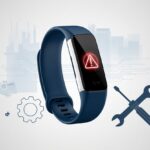
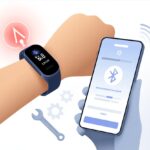
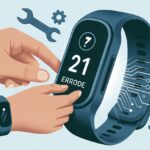
Let’s be honest, nothing kills our step-counting buzz like an error message flashing on our fitness tracker. One minute, we’re chasing the office step crown. The next, we’re staring at those dreaded words: “Error Code 30.”
Fitness gadgets are supposed to help us, not spike our blood pressure with random tech drama.
Error Code 30 usually pops up when there’s a problem connecting to the device or syncing data. The upside? We can usually fix it without launching our tracker into orbit.
Maybe it’s Bluetooth acting up or a cable that’s seen better days. Either way, we’re going to walk through some easy fixes (yes, pun intended) to get things counting again.
Let’s not let one stubborn code steal our badge-collecting thunder. We’ll tackle this tech tantrum and get back to burning those calories.
What Is Fitness Tracker Error Code 30?
There’s nothing more motivating than seeing steps add up on your wrist. But then—bam—Error 30 shows up, and suddenly, nothing makes sense.
This code is basically your tracker’s way of saying, “Something’s not working here.” Sometimes the cause is obvious. Other times, it’s sneakier than missing socks on laundry day.
Common Symptoms of Error 30
Error 30 on a fitness tracker—or even on an e-bike—usually starts with our device acting like it missed its morning caffeine. The screen might freeze, or a big dramatic “Error 30” flashes across the display.
Button presses stop working, and syncing to our phone turns into an endless waiting game.
Sometimes, things get even weirder. The tracker might restart itself, menus disappear, or the step count freezes mid-walk. All our effort, stuck in limbo.
Error code 30 loves to announce itself by blocking communication or shutting down features. Look out for odd behavior, flashy warning screens, and a device that just won’t cooperate.
We’ve noticed this error tends to show up right after updates or when we try a new charging cable. It’s got a real flair for drama.
Communication Failures Explained
What’s actually going on here? Error 30 almost always means parts inside the tracker aren’t talking to each other.
Think of the controller as the brain and the sensors or display as the body parts. When the brain sends signals and nobody answers, that’s when Error 30 barges in.
Most trackers have a “controller” and one or more “displays” or “sensors.” If a wire inside the band comes loose, Bluetooth drops out, or a firmware update goes sideways, the error pops up.
On e-bikes, you’ll see a similar issue when the motor and display stop communicating. Here’s a troubleshooting guide for those curious about e-bikes.
Common causes:
Corroded charging ports
Loose wires inside the band
Failed firmware updates or interrupted syncing
Damaged internal connectors
So, Error 30 isn’t just being dramatic. It’s the digital version of “We need to talk.”
Why Does Error Code 30 Haunt Your Electric Bike?
Nothing ruins a good ride like Error 30 flashing on an electric bike. Usually, three culprits show up: loose handlebar connections, water sneaking in where it shouldn’t, and grumpy brake or throttle parts.
Loose or Corroded Handlebar Connections
Electric bikes hide a mess of wires running from the motor and controller up to the display. If one wire gets loose or rusty, communication breaks down fast.
Loose connections can happen after a crash, bumpy roads, or just fiddling with the display. Corrosion sneaks in after a rainy ride or an overzealous wash.
Signal flow gets interrupted, and suddenly Error 30 turns a chill ride into a troubleshooting session. Try wiggling every connector (with the bike powered off!), and tighten or clean any that look sketchy. If you want more details, check this troubleshooting guide.
Water Damage and Environmental Mischief
Electric bikes are tough, but water finds a way in. Rain, puddles, or even heavy dew can sneak into connectors.
Once water’s in, it brings corrosion and shorts circuits. Look for moisture around connection points and dry everything out ASAP.
A little dielectric grease on dry connectors can help keep future water out. And honestly, if you’re riding through monsoons, maybe pack a towel. More tips are in this electric bike error troubleshooting guide.
Busted Brake Inhibitors and Throttle Issues
Brake inhibitors stop the motor when you hit the brakes. If they glitch, you might get Error 30 just for stopping too hard—or not stopping at all.
Sometimes, brake wires get pinched or the sensor fails. The throttle can also mess things up—a sticky or damaged throttle sends weird signals that freak out the controller.
If you suddenly lose power or see random error messages, unplug these parts one at a time. You’ll find more on this in this step-by-step ebike error fix article.
Step-By-Step Guide to Fixing Error Code 30 Without Panicking
Let’s stay calm and work through fixing error code 30. A few careful steps can save us headaches and maybe a few dollars.
Before we dive into wires, unplug and turn off the ebike or tracker. No one wants a troubleshooting session to end with a wild hairdo.
Grab gloves if you’ve got them. Static shock isn’t just a party trick—it can wreck electronics. Double-check that the display is off.
If your device has a removable battery, take it out.
Pro Tip:
If you see exposed, frayed, or burnt wires, stop and call a pro. A little caution now beats explaining later why your tracker smells like toast.
Inspecting Display and Button Pad Connections
The most common reason for error code 30? A bad connection between the display and controller.
First, check the wires from the display or button pad. Gently wiggle each plug and watch for loose or rattling parts.
If anything pops out, plug it back in until you hear a click. Make sure there’s no dust, dirt, or water in the connectors.
A soft, dry toothbrush works wonders for cleaning. If you can, swap the display cable with a spare to rule out cable problems.
If the display and buttons are fine, check the controller and master wire plug. Most ebikes hide these behind a small plastic cover (and maybe some tiny screws).
Once you’re in, look for bent pins, rust, or sticky gunk. Unplug each wire, then reconnect it firmly.
Sometimes, a flashlight helps spot the tiny details. If you smell something burnt, that’s bad news—the controller probably needs replacing.
Sometimes, Error 30 just won’t quit, even after we’ve done all the basics. That’s when it’s time to dig deeper—looking at pedal assist sensors, wires, and those mysterious glitches that love to mess with our gadgets.
Pinpointing Pedal Assist Sensor Problems
When Error 30 pops up, the pedal assist sensor is a usual suspect. This little part tells the bike’s brain how hard we’re pedaling.
If it acts up, nothing works right. Check that the sensor sits tight near the crank and hasn’t moved.
If the magnet ring is off-center or loose, signals get scrambled. Sometimes, a quick cleaning does the trick—grit can mess with readings and make the sensor think we’ve stopped pedaling.
If cleaning doesn’t help, try swapping in a new sensor. These things do wear out.
Assessing Main Wire and Sensor Cables
Our ebike needs good wires to send messages between the battery, controller, and sensors. If even one wire goes rogue, Error 30 crashes the party.
Check the display’s main wire running down the bike. Look for kinks, frays, or crushed spots.
Unplug and plug back in every connector, especially between the display, controller, and sensor cables. They should click and lock.
If you’ve got a multimeter, use it to check for dead wires. If you find one, swap it out.
Sometimes Error 30 sticks around, even after you’ve checked everything. That’s when we start blaming firmware glitches.
Update your ebike’s firmware if possible—follow the manufacturer’s instructions. If something went wrong during an update, reinstalling the latest version can sometimes clear things up.
Try a full reset of your display and controller. Just remember to note your settings first, unless you want to ride in “turtle mode” by accident.
If Error 30 still won’t leave, it might be time to call in a pro. Some mysteries need fancy diagnostic gear—or at least someone who doesn’t panic at tangled wires.
When to Throw in the Towel and Call Tech Support
Sometimes, no amount of button-mashing or wild guesses will fix error 30 on our fitness trackers. If the screen keeps flashing that stubborn code, it’s probably time to call the experts and get back to counting steps instead of error messages.
Warranty Wisdom and Documentation Tips
Before you rush to call customer service, it’s worth checking if your tracker’s still under warranty. Most brands give you at least a year, and some go the extra mile for certain defects.
Dig up the original receipt, proof of purchase, or even that random email you figured you’d never need again.
Gather everything customer service might ask for. You’ll want your device’s serial number, purchase date, and photos or screenshots showing error 30.
If you bought the tracker online, grab the order confirmation too. Having all this ready can make things move faster—and honestly, it might even impress the support folks.
Helpful things to have on hand:
Warranty details
Device serial number
Photos/screenshots of error 30
Purchase receipt or email
Once you’ve got your stuff together, you’re ready to talk error 30 like a pro.
How to Speak Fluent Error 30 to Customer Service
You don’t need to be a tech genius, but using the right words definitely helps. Just say, “My tracker shows error 30,” instead of something vague like “It’s broken.”
If you’ve already tried a reset, charging, removing the battery, or even sweet-talking your device—mention it. Tech support appreciates knowing what you’ve attempted.
If your tracker beeps, vibrates, or flashes a new code, let them know. No detail’s too weird—customer service has heard it all, so don’t hold back, even if you ended up dancing around your living room to test the motion sensor.
Proactive Tips to Prevent Error Code 30 from Crushing Your Ride
https://www.youtube.com/watch?v=8R7rSOO7X5Q
If you want fewer headaches down the road, keep your electric bike in good shape. Regular care and a bit of riding sense go a long way—most causes of Error Code 30 won’t stand a chance.
Regular Maintenance and Cleaning Rituals
Let’s be honest: e-bikes get filthy. You should check the display, battery, and controller connections now and then, and wipe them down.
Use a soft brush and a dry cloth to get rid of dust. Make sure no wires look like they’ve been chewed by mysterious gremlins.
Check cable connections for tightness. Loose wires often cause error codes.
Try removing and re-seating connectors every few weeks. It’s like giving your e-bike a little nudge to stay alert.
Here’s a quick cleaning checklist:
Disconnect the battery before cleaning.
Check and dry all plugs and sockets.
Look for visible cracks on the display or controller.
Add a dab of dielectric grease to metal connections for a little extra protection.
Let’s be honest—there’s no need to yank the throttle or stomp the pedals like we’re starring in some action flick.
If we accelerate smoothly, we put less strain on those sensitive electronic connections. That way, we can probably avoid annoying error codes.
I always try to store my e-bike indoors or at least toss a cover over it. Bad weather, especially heavy rain or scorching heat, can wreck connectors or even cause shorts.
Honestly, keeping your bike out of the wild elements and in a cozy garage just makes sense.
One more thing: don’t overload your e-bike. When we pile on too much weight, we stress everything from the motor to the display.
It’s smart to check the manufacturer’s load recommendations if we want a longer, trouble-free ride.
Every so often, I check for display and controller firmware updates. Manufacturers roll out fixes for error codes sometimes, like these updates here.
Let’s treat our electric bikes right—they’re not just machines; they’re kind of like trusty sidekicks on the road, aren’t they?
Hi, my name is Garrett Jones, and I am a tech enthusiast. I enjoy researching the new tech that has been released, and have a vast knowledge of the best tech to purchase.
From a young age, I have always had a big interest in technology, and this blog is an extension of that interest. Through this blog, I hope to provide others with all of the information they need regarding tech options to consider, and things such as compatibility. Some of the different items I will be discussing include headphones, smartwatches, and how to fix common issues.