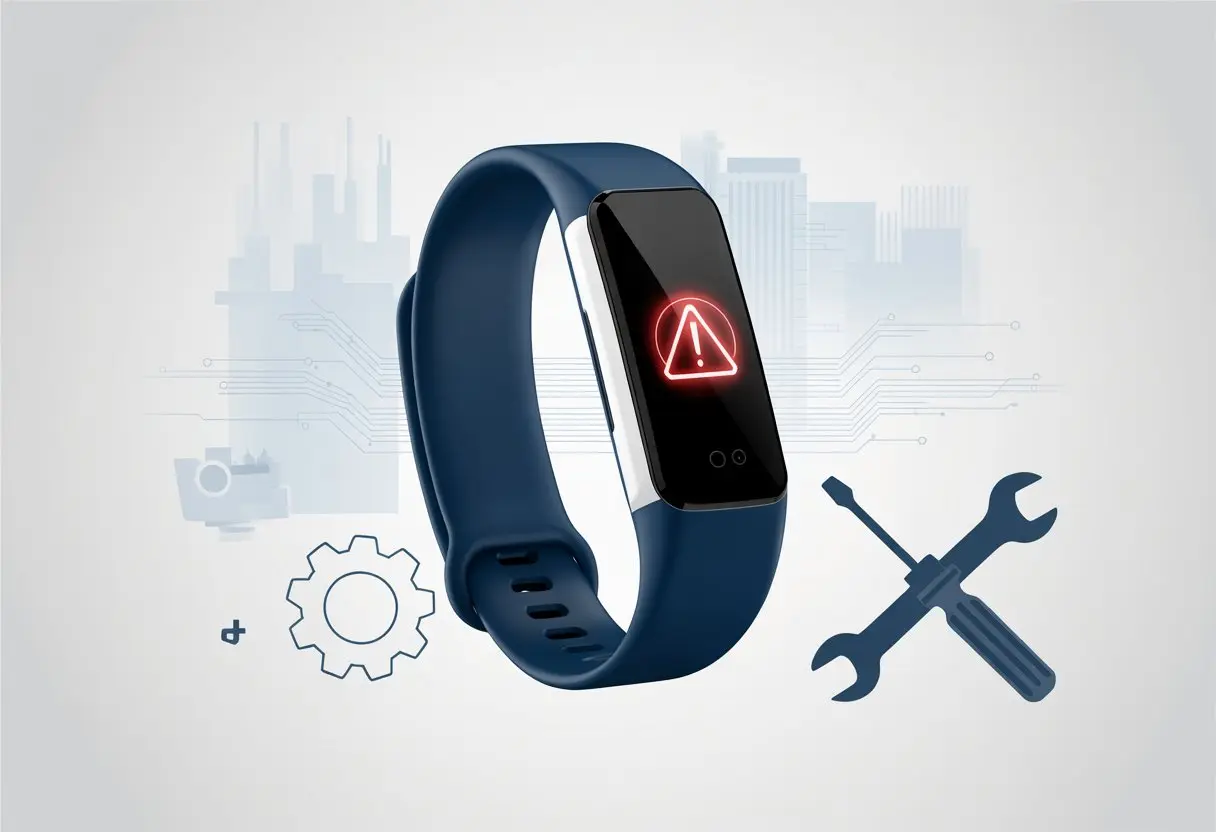
We’ve all been there, right? You’re pumped to hit your daily step goal, but then your fitness tracker throws up error code 301 out of nowhere. The tiny screen just sits there, and suddenly you’re counting steps the old-fashioned way.
Good news: fixing fitness tracker error code 301 usually means a quick reset or sorting out some connection hiccups.
Honestly, nothing kills a workout vibe faster than a tech error that sounds like a secret mission. Before you start dreaming about throwing your tracker across the room, let’s handle this with a few easy fixes and a bit of patience.
If you want more than just a wild guess, check out guides for resetting fitness trackers and troubleshooting errors. They’re just a click away.
We’re all in this together—let’s beat error code 301 and get back to counting every single step.
What Is Fitness Tracker Error Code 301, Really?
Sometimes it feels like gadgets are just messing with us, but Error Code 301 actually means something. The name sounds more like a hotel room than a tech problem, but it shows up way more often than you’d think when you’re just trying to track your steps.
How Error Code 301 Shows Up on Fitness Trackers
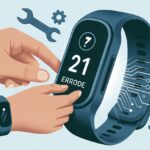
Picture this: you’re ready to jog, shoes laced, and your tracker suddenly flashes Error 301. Just as you’re about to break a sweat, your device decides to break your spirit instead.
Usually, Error 301 pops up as a tiny notification or, if you’re really unlucky, a bright red banner across the display. The message might just say “Error 301,” or it’ll gently suggest there’s a connection or sync problem.
Some trackers even add a frowny face for extra drama.
You’ll most likely see this error:
When you try syncing your tracker to a phone or app.
During firmware updates.
After switching phones or reconnecting Bluetooth.
If your step tracker just turned into a disappointment tracker, Error 301 is probably to blame.
Why Error Code 301 Isn’t Just for Websites
You see Error 301 and think, “Isn’t that a website thing?” Yeah, on the web, Error 301 means a page has moved. Fitness trackers borrow this code and use it for their own mysterious reasons.
In tracker terms, Error 301 usually means the connection wants to go somewhere else—kind of like your data packed up and left without telling you. Your fitness tracker flashes Error 301 when it can’t connect the way it wants to, like when syncing fails. Maybe you switched phones, updated an app, or just walked out of Bluetooth range.
The error acts like a “redirect,” nudging you to check your connection or try pairing again. So, while your website might move to a fancy new URL, your tracker’s data just decides to take a break.
Devices Most Likely to Display Error 301
Not every gadget is out to ruin your workout with Error 301, but some brands seem to love the drama. Budget fitness trackers and those off-brand wristbands from last Christmas are the main culprits.
Here’s a quick look at the usual troublemakers:
Device Type
Chance of 301 Appearance
Budget fitness bands (generic brands)
High
Popular trackers (Fitbit, Xiaomi, Garmin)
Moderate
Smartwatches with fitness tracking
Low to moderate
Budget devices seem to hand out error codes like candy. Well-known brands are a bit more subtle, usually saving Error 301 for after a software update or a tough syncing session.
If your device cost less than dinner, keep an eye out for 301.
Most Common Causes Of Error Code 301 On Fitness Trackers
Let’s be real, nothing ruins a post-jog victory dance like Error 301 popping up out of nowhere. This code shows up for a handful of reasons, most of which you can fix with a little patience and know-how.
Software Glitches and Firmware Faux Pas
Our gadgets might be “smart,” but sometimes they get confused. Outdated software and buggy firmware updates often trigger Error 301. If you haven’t updated your tracker in ages, it’s probably begging for a refresh.
You’ll often see this error after a failed update or when random app bugs sneak in. Glitches might freeze your stats or stop the tracker from talking to its app.
Whenever you spot a 301, check for software updates or try reinstalling the app. That simple move can save you from quitting cardio in frustration.
Other culprits? Corrupted files or interrupted syncs. Sometimes, just rebooting the tracker clears things up.
If nothing works, a good old “factory reset” can save your stats—just remember to back up your data first.
Hardware Havoc: The Physical Culprits
Sometimes it’s not the software, it’s the hardware begging for a break. Trackers go through a lot: sweaty wrists, accidental drops, and even the occasional swim in the sink. All that chaos can mess with sensors and connectors, leading to Error 301.
Loose charging pins are a classic offender, refusing to make a solid connection. Damaged wiring inside the band or a glitchy display can also set off errors.
Dust or sweat can sneak inside and confuse your tracker, too.
Before you panic, check for obvious stuff like cracked screens, bent charging pins, or stuck buttons. Give your tracker a gentle clean and make sure it’s dry (no more swimming lessons).
Connectivity Catastrophes
When your tracker can’t talk to your phone, Error 301 jumps in. Bluetooth issues are a huge culprit here. If your devices lost their magic connection, failed syncs become way too common.
Maybe the tracker’s too far from your phone. Or maybe there are too many other Bluetooth gadgets nearby, causing a traffic jam. Sometimes, a weak Wi-Fi signal makes syncing even harder.
Try these quick fixes:
Turn Bluetooth off and back on (seriously, it works).
Forget and re-pair the device in your phone’s settings.
Move your devices closer together—think lost socks reuniting under the bed.
If things still aren’t working, restart both your phone and tracker. For more details, check out this expert solutions page.
Troubleshooting Fitness Tracker Error Code 301
Error code 301 on a fitness tracker usually means there’s a communication issue or a software hiccup. If you ignore it, your step count for the day might just vanish.
Let’s walk through the usual fixes.
The Timeless Classic: Have You Tried Turning It Off and On Again?
It’s a cliché for a reason—powering your tracker off and on really can fix error code 301. It forces the device to reload its software and clear out tiny glitches.
Hold down the power button until you see the “Restart” or power icon. For most models, this takes about 10 seconds. Hang tight (and maybe cross your fingers).
Once it restarts, check if the error is gone. If not, your tracker’s telling you there’s more to do.
Restarting also refreshes Bluetooth and Wi-Fi signals. This helps if your error code 301 is tied to syncing issues. Think of it as a digital reset.
Checking For Software Updates You’ve Been Avoiding
How many times have you skipped those update reminders? We’re all guilty. But old software can cause all sorts of headaches, including error code 301.
Open the app linked to your fitness tracker on your phone. Look for a section labeled ‘Device’ or ‘Settings.’
From there, you’ll usually spot an option to check for software or firmware updates.
Connect to Wi-Fi before updating. Sometimes, updates take a few minutes, so maybe do a quick stretch or grab a snack. Once it’s done, many error codes just disappear.
Resetting Settings (Yes, That Button Exists)
If nothing else works, it’s time for the mysterious “Reset” button. It sounds intimidating, but sometimes it’s the only way to ditch error 301.
Find the factory reset or settings reset option in the tracker’s menu or its app. This will restore most settings to default, but your fitness data is often safe in the cloud or app.
Sync your latest data before resetting, just in case. Then, follow the prompts—usually something like “Are you sure?” and “Really, really sure?” After clicking through, your tracker may take a few moments to reboot.
Sometimes, the simple stuff just doesn’t cut it. If your tracker is still giving you error code 301, it’s time to get a little bold and try some advanced troubleshooting.
Reinstalling Or Updating the Health App
Let’s be real—health apps sometimes just need a fresh start. Try reinstalling the app, but back up your data first so you don’t lose those hard-earned steps.
Here’s how to do it:
Uninstall the health app from your phone or device.
Restart the device. (Yes, again. It never gets old.)
Go to the app store, find the latest version, and install it.
If there’s an update available, don’t skip it. Health apps often release bug fixes for issues like error code 301.
If it works, do a little happy dance and test your tracker around the house.
Manual Firmware Update Without Causing More Errors
This part’s for the brave. Manual firmware updates can feel a bit risky, but sometimes it’s the only way.
First, download the latest firmware from the official fitness tracker website.
Plug your tracker into the computer with its charging cable. (Don’t use that random old cable from your junk drawer.)
Usually, there’s a tool or program on the website to walk you through the firmware flashing process.
Follow the instructions step-by-step, don’t unplug the device early, and maybe have a snack nearby in case things get tense. If something goes wrong, you might need to reset the tracker or send it in for repair, so double-check before you start.
For extra help, some sites like this walk through common tracking errors. A little patience (and maybe a nervous laugh) can get you through the trickiest fixes.
When It’s Not You, It’s the Device: Hardware Checks
Sometimes your fitness tracker just acts up, and it’s not because you skipped arm day. If troubleshooting hasn’t helped, it might be time to check if the device itself needs some real attention.
Testing The Motor Or Sensor (Don’t Panic!)
Let’s start by making sure we’re not dealing with a “fake it ‘til you make it” motor. Give your tracker a gentle shake or tap—does the vibration motor buzz? If it stays silent, it probably isn’t getting any power.
Most trackers come with built-in sensors for steps or heart rate. Try switching modes—maybe start a workout or check your pulse. If it still ignores everything or claims your pulse is “missing,” something’s probably wrong inside.
Some devices let you run hardware tests through their settings or app. Use those if you can—no stethoscope needed! If you feel bold, try a quick restart or even a factory reset (but seriously, back up your data first).
If nothing works, at least you can blame the tracker for your missed steps.
Inspecting Boards and Batteries Without Void-ifying Your Warranty
Let’s play detective—but let’s not get wild and void the warranty. Check for obvious stuff: cracked screens, broken buttons, or water spots hiding under the band. If you see green fuzzy gunk around the charging points, that’s probably corrosion.
Trackers hide their batteries and circuit boards better than we hide snacks, so don’t just pry things open. If your device feels hot or refuses to hold a charge, the battery might be tired and ready to retire.
Try cleaning the contacts with a soft cloth. Swap in a different USB cable or power source and see if the tracker wakes up. If not, check if you’re still under warranty or take it to a pro. Heroic DIY fixes can turn your tracker into a very chic paperweight. If you want more ideas, check out common fitness tracking errors and solutions here.
Avoiding Fitness Tracker Error 301 in the Future
Error 301 is just plain annoying. Honestly, it makes us want to toss our fitness tracker across the room sometimes. Luckily, a few habits can keep trackers from going rogue or flashing cryptic numbers at the worst moments.
Getting ahead of these problems saves time, headaches, and maybe a little dignity at the gym.
Best Practices for Maintenance and Updates
Let’s treat our fitness tracker like it’s a spaceship on a mission. Check for updates regularly—new firmware usually brings bug fixes and helps prevent errors like 301.
Keep notifications on in the device app so you don’t miss an update and end up wondering if your last run even counted.
Cleaning actually matters. Wipe your tracker with a dry, soft cloth a couple times a week. Sweat and grime can mess with readings and cause weird error codes.
Try not to let the battery run all the way to 0%. Charging before it’s totally dead can help avoid those annoying software hiccups.
A loose or worn-out strap often causes error 301, especially if the sensors lose contact with your skin. Make sure the band fits snugly—but don’t cut off your circulation, unless you’re into purple wrists.
Avoiding User-Induced Disasters
Honestly, we’re sometimes our own worst enemy. Ever slap your tracker on upside down or forget to sit still before it takes a reading? Yeah, same here.
If you want accurate tracking, make sure you wear the band on the right part of your arm. It should sit about an inch above your wrist bone—don’t just toss it on any old way.
Let’s not even talk about sharing your fitness tracker with your cousin, your dog, or the neighbor. Just don’t do it. When you mix users, you end up confusing the tracker, and error rates shoot up (think error 301).
Each device really works best with just one user profile. That’s just how it goes.
Here’s a quick checklist to help you stay on track:
Hi, my name is Garrett Jones, and I am a tech enthusiast. I enjoy researching the new tech that has been released, and have a vast knowledge of the best tech to purchase.
From a young age, I have always had a big interest in technology, and this blog is an extension of that interest. Through this blog, I hope to provide others with all of the information they need regarding tech options to consider, and things such as compatibility. Some of the different items I will be discussing include headphones, smartwatches, and how to fix common issues.