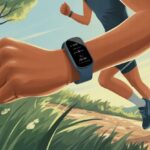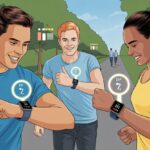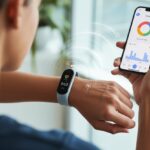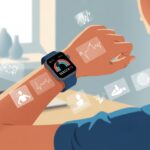
Let’s be honest, most of us could use a little extra push to get off the couch. What’s a better way to get moving than a step challenge with friends or coworkers using a trusty fitness tracker? A fitness tracker makes it easy to count every step, track progress, and see how we stack up. Suddenly, even a walk to the fridge feels like a high-stakes race.

We don’t need anything fancy—most trackers and apps work with our phones or watches. Some even let us jump into weekly competitions automatically.
Platforms like Garmin Connect and other wellness apps make it a breeze to start or join these step battles. It’s all about moving a little more and squeezing in some fun.
When we join step challenges, we’re not just racking up steps. We’re competing, sharing laughs, and maybe discovering a surprisingly competitive streak.
Are we ready to let our fitness trackers turn boring days into step-filled adventures?
Getting Started With Your Fitness Tracker
If we want to rock a step challenge, we need the right tools and a setup that actually works. Let’s break down what we need so we don’t end up blaming the pedometer when we lose.
Choosing the Right Wearable Device
Picking a fitness tracker sometimes feels like shopping for jeans—so many choices, so many features, and we just hope it doesn’t judge our snack habits.
We need a tracker or smartwatch that counts steps accurately, feels comfortable, and works with our phone. Fitbit, Apple Watch, and Garmin are all solid options, but there are budget-friendly picks too.
We should look for these features:
- Reliable step counter: So every step counts.
- Battery life: No one wants a dead tracker halfway through the day.
- Water resistance: Because spilled coffee happens.
- Easy syncing: We don’t want to fight with our phone every morning.
Some devices, like Fitbit, are perfect for step challenges. Others, like basic pedometers, just count steps and that’s it.
Let’s pick something that fits our needs and actually feels good on our wrist.
Setting Up for Step Tracking
Now it’s time to set up our tracker so it actually counts steps and doesn’t think we’re a statue on a moving sidewalk.
Most step counters or smartwatches need us to download a companion app. Fitbit, Apple Health, and Google Fit are a few common ones.
We should create an account and connect our tracker if we haven’t already. Adding our height, weight, and stride length helps the pedometer track steps more accurately.
If the tracker has its own step challenge feature, we can usually join or create competitions right from the app.
For the step challenge pros, automatic step tracking is a must. Many trackers let us enable automatic step syncing so our progress posts itself.
If not, we’ll need to manually sync steps—otherwise, someone will accuse us of “forgetting” to upload our daily numbers.
Connecting to iOS and Android
Getting our tracker and phone to play nice is crucial. First, we download the correct app from the App Store or Google Play.
Most fitness trackers work with both iOS and Android, but it’s smart to double-check before buying. No one wants a “smart” pedometer that’s just a bracelet.
After installing the app, we turn on Bluetooth and follow the pairing steps. For iOS, Apple Health usually handles things quietly in the background. Android users might use Google Fit or a brand-specific app.
Our wearable needs permission to access Bluetooth, notifications, and sometimes location data. If pairing doesn’t work, restarting both devices or bringing them closer usually helps.
Once paired, syncing should happen automatically, so our steps count toward our daily goal.
Participating in Step Challenges
Step challenges turn our daily steps into a friendly contest. Whether we want to beat our own record or crush a friend’s step count, there are ways to make step tracking a lot more fun.
Joining a Step Challenge
We kick things off by picking a step challenge to join. Most trackers, like Fitbit and Garmin, have built-in challenges we can join from the app dashboard.
Sometimes we get invited, but other times, we have to search for open challenges or start our own.
To join, we usually tap a challenge, hit “Join,” and just like that, we’re in. These challenges can last a day, a weekend, or an entire month.
Choosing the right challenge matters. A weekly challenge keeps us motivated, but a one-day step-off can spark some friendly chaos.
Some challenges focus on hitting a group goal, while others reward whoever takes the most steps. We just need to pick what gets us moving.
Syncing With Apps Like Fitbit App and Strava
Our fitness tracker isn’t as clever as it thinks. It needs to sync with apps like the Fitbit app or Strava for our steps to count in a challenge.
First, we make sure our tracker is connected to our phone. Then we check if the app is tracking steps in real time.
Sometimes apps lose connection or get lazy, so we hit the sync button at least once a day. That way, we don’t miss out on steps just because our devices refuse to talk to each other.
Apps like Garmin Connect make it easy to check rankings, send motivational trash-talk, and see where we stand.
Strava and Fitbit both show daily, weekly, or monthly stats. If our tracker isn’t syncing, our big walk to get coffee basically disappears into the void.
Inviting Friends for Competition
Step challenges are way more fun when we bring others in. We can invite coworkers, family, or friends through the app or by sharing a link.
This sets the stage for epic showdowns—and maybe a little good-natured gloating when we win.
Most apps let us tap “Invite” or share a challenge code. With Strava, we send invites within clubs or through our friend lists.
The Fitbit app lets us challenge contacts and set up group competitions.
Here’s how to keep everyone engaged:
- Group chats: Start a conversation where people can brag (nicely).
- Friendly wagers: Loser buys coffee? Sounds fair.
- Weekly mini-awards: Biggest jumper, early riser, or best comeback.
A little rivalry makes everyone step up their game. Seeing our name above our friends on the leaderboard? That’s just the cherry on top.
Setting and Crushing Your Step Goals
Using a fitness tracker turns moving into a game we can win every day. To make our step challenge count, we need goals that push us but don’t leave us groaning on the couch.
Choosing the Right Step Goal
Let’s be real—setting a step goal is like picking our own boss. Aim too high, and we’ll run laps around the kitchen. Aim too low, and our tracker just sits there, unimpressed.
Experts usually suggest 10,000 steps per day, but our perfect number depends on our fitness level and what our day looks like.
Here’s a quick guide:
| Activity Level | Suggested Step Goal |
|---|---|
| Sedentary | 5,000 steps |
| Lightly Active | 7,500 steps |
| Moderately Active | 10,000 steps |
| Very Active | 12,500+ steps |
Start with a goal we can hit most days. Add more once we’re ready for extra laps around the office or block.
Tracking Daily Steps and Activity Levels
Our tracker makes counting steps easier than counting cats in a meme. Most trackers measure every move—walking to the fridge, running for the bus, or even dancing in the living room.
Some track other activities like cycling or swimming too.
To really “quantify ourselves,” we should check our steps every day.
Quick tips for step tracking:
- Set reminders to check progress before bed.
- Sync with free apps like Google Fit or Health Mate.
- Celebrate mini wins—every thousand steps counts, even the ones we take looking for our keys.
Tracking is about celebrating small victories, not judging ourselves.
Monitoring Progress Over Time
Crushing our goals isn’t about one huge day. It’s about slowly racking up more steps, like we’re earning digital badges for Walking Club MVP.
We can check our tracker’s weekly and monthly reports to spot patterns. Maybe we move more on Mondays or freeze up on Fridays.
Most trackers show colorful charts, perfect for bragging or just keeping ourselves honest.
Joining group step challenges or setting up small bets with coworkers keeps things interesting. Watching our activity grow over time makes this whole step-counting thing a lot more fun—and maybe a little too competitive at family gatherings.
Maximizing Performance and Motivation
When we use our fitness trackers for step challenges, we want more than just a digital pedometer. Tapping into a bit of competition, following smart training plans, and maybe earning a shiny virtual trophy can keep us going.
Plus, it’s honestly fun to out-walk our coworkers, even if we act like it’s just for the health benefits.
Leaderboards and Rewards
Leaderboards turn step challenges into the ultimate popularity contest—except this one is decided by our sneakers, not our social skills.
Most trackers have leaderboards built in, showing who’s way ahead and who could use a pep talk (or a reminder to charge their tracker).
Competition isn’t just for show. Seeing our name jump up the board motivates us to squeeze in a few more steps, even if it means jogging in place while microwaving lunch.
Some step challenges offer rewards like badges, discount codes, or even real prizes. These incentives make every walk to the mailbox feel like a tiny victory lap.
For workplaces, structured step challenges with easy tracking and fair rewards keep things fun and fair for everyone.
Training Plans for Step Challenges
Jumping into a step challenge without a plan? That’s like showing up to a marathon in slippers—technically doable, but let’s be real, nobody’s breaking any records. A solid training plan helps us build up our daily step counts safely and steadily, so we don’t flame out before the weekend even hits.
We can start simple: maybe add 500–1,000 steps each week, or shoot for milestone goals, like hitting 10,000 steps a day. Planning out walks—morning strolls, taking the stairs, or just squeezing in extra laps at the grocery store—makes it easier to sneak in more steps.
Scheduling short walks during the day breaks up desk time and keeps our legs from forgetting how to walk. Whether we use a tracker’s built-in training tips or wing it ourselves, staying consistent is what really moves the needle on the leaderboard…and our own step records.
Advanced Features for Fitness Nerds
Let’s be honest: step counting is just the gateway. If you like your data nerdy and your graphs colorful, modern fitness trackers are basically a playground.
Heart Rate and Heart-Rate Monitor
Tracking our heart rate turns us from casual steppers into amateur fitness detectives. The heart-rate monitor lets us know when our heart’s just cruising and when it’s racing like we spotted a spider.
Some trackers show our resting heart rate, which is handy for spotting trends. Watching the numbers spike during a walk or workout shows us how hard we’re actually working.
It’s kind of fun comparing our high scores (or low ones) with friends. Many devices even buzz us if our heart rate gets too high or drops too low, so we can feel heroic and a little nervous at the same time.
Knowing our heart rate zones—like “fat burn” or “cardio”—lets us train smarter, not just harder. We can set goals based on these zones or just aim for a new personal record and brag about it in the group chat.
Calories Burned and vo2 max
Few things feel better than seeing calories burned rack up during a step challenge. Fitness trackers use heart-rate data along with our weight, age, and height to estimate how much we’ve burned—for that donut, maybe.
VO2 max is the holy grail for stats geeks. This number shows how much oxygen our body can use during intense exercise. If our VO2 max goes up, we’re probably getting fitter (or at least, our tracker thinks so).
It’s satisfying to watch that number shift over weeks or months. Some trackers let us set calorie burn goals and even send goofy alerts like, “You just burned off two slices of pizza!” We never get tired of those.
Sleep Monitoring and Sleep Time
Apparently, sleep matters almost as much as steps. Most trackers come with a sleep monitor that checks how long we’re actually sleeping and whether it was good sleep or just “pretending to sleep” time.
This feature breaks down our sleep time into light, deep, or REM stages. In the morning, we get a colorful chart and try to figure out why we’re still tired after “8 hours.”
Some of us love seeing how our steps—or lack of them—affect our sleep. Comparing last night’s snooze with last week’s is weirdly comforting (or alarming). It turns sleep into another graph to obsess over, and honestly, who can resist that?
Tracking Different Types of Physical Activity
Not every workout gets counted the same way, and fitness trackers all have their quirks. If we want credit for every step, pedal, or stumble, it helps to know how these gadgets handle different activities.
Walking and Hiking
When we walk or hike, most fitness trackers do their best work. They count every shaky step—even the ones we take pacing the kitchen, waiting for pizza rolls.
Most trackers—Apple Watch, Fitbit, or a simple pedometer—use accelerometers to sense movement.
For longer hikes or outdoor walks, trackers that use GPS can log distance, so we’ll know exactly how far we’ve wandered while “getting lost” in nature. Some trackers let us set step goals and reward us with fun badges or friendly nudges.
Syncing data with smartphone apps gives us charts, graphs, and sometimes a little too much honesty about our actual step count. We can join step challenges or compete with friends, turning walking into an event worth bragging about. If you want extra tips, check out this guide to making walking count with trackers.
Cycling Workouts
Cycling is a bit trickier. If we try to fool a basic step counter by pedaling, it might barely notice. Luckily, many trackers now log cycling workouts as physical activity.
GPS-enabled devices track cycling distance and speed, not just steps. Some trackers even recognize when we’re on a bike automatically (no need to wave our wrists around).
If not, we can log the activity manually—because those miles on a stationary bike deserve credit, too. Apps like Apple Health, Fitbit, and Samsung Health let us see our cycling workouts in colorful graphs.
Some trackers toss us points or badges for cycling sessions, so there’s always something to celebrate after pushing through that uphill slog. Using an app like Wellable, we can track cycling as part of total activity and earn points along the way.
Managing Battery Life and Device Care
Fitness trackers are basically tiny, overachieving robots strapped to our wrists. If we want them to keep up with our step challenges, we need to treat them right. That means keeping an eye on battery life and showing them a little TLC.
Tips to Extend Battery Life
Battery anxiety is real—especially when we’re halfway to a step goal. To stretch out battery life, let’s start by turning off notifications we don’t need. Our wrists really don’t need to buzz every time someone likes our cat photo.
Lowering the screen brightness helps, too. The display is a battery hog, so keeping it dim lets us squeeze out a few more laps around the house before it needs a nap.
Let’s only use GPS and heart rate features when we actually need them. Fitness trackers love draining power with background activities, so closing unused apps or sensors in the settings menu is a good move.
And of course, charging regularly is key. Nothing ruins a step streak faster than an unexpected shutdown right in the middle of a challenge—we want our tracker awake and ready for every step.
Quick Tips Table
| Action | Battery Boost |
|---|---|
| Lower brightness | 🕶️ |
| Turn off unnecessary alerts | 📴 |
| Only use GPS when needed | 🚫📡 |
| Charge often | 🔋 |
Maintaining Your Fitness Tracker
A dirty tracker is an unhappy tracker. Cleaning it regularly—especially under the band—helps us avoid skin irritation and keeps step counts accurate (plus, we dodge smelling like sweaty robots).
We should keep our trackers dry. Even if some are water-resistant, moisture can still mess with the sensors. After workouts or showers, a quick dry-off with a soft cloth does the trick.
Let’s check for software updates every now and then. Updates often fix bugs, improve tracking, and add cool new features. Ignoring updates is like refusing to update our playlists—eventually, things get stale.
When we’re not wearing our device, storing it safely matters. Tossing our tracker onto a table can scratch the screen or damage sensors. If we love our fitness sidekick, it deserves a soft landing at the end of the day.
Staying Consistent and Building Healthy Habits
Sticking with a fitness tracker takes some planning and, honestly, a bit of stubbornness. The trick is to weave good habits into our daily routine and not let laziness sneak up on us like leftover donuts in the break room.
Integrating Tracking Into Daily Routine
We don’t have to do anything wild to keep up our activity. Small changes—like taking the stairs or walking during phone calls—help us rack up steps without flipping our lives upside down.
It’s all about consistency, not just heroic effort once in a while. Setting reminders on our tracker or phone helps us remember to move, especially on busy days.
If we always forget to check our tracker, we can link it to another habit, like drinking morning coffee. Habit stacking makes tracking more natural, and soon we start linking it with things we already do.
Some folks love using a habit tracker as a visual tool. Seeing colorful streaks or stickers can be surprisingly motivating.
Overcoming Step Slumps and Laziness
We all hit a point where the couch calls and our step count looks sad. When motivation drops, setting mini-goals helps.
Walking for five minutes every hour or doing an extra lap at the grocery store makes targets more realistic. Getting friends or coworkers in on step challenges turns it into a low-stakes competition—extra steps, and maybe bragging rights.
Logging our numbers in a step challenge at work can give us a nudge on slow days. If we start slipping, changing our walking route or queuing up a new playlist brings back some excitement, making it easier to stay active and keep those healthy habits going.
Using Data to Optimize Activity and Reduce Stress
Tracking steps isn’t just about distance—it helps us spot when we’re stressed out, too. By looking at our steps, heart rate, and sleep, we can tweak our habits to balance health, activity, and relaxation.
Understanding Your Stress Level
Modern life can feel like a never-ending hamster wheel, and sometimes our step trackers are the little wheels keeping us spinning. Most fitness trackers now monitor more than our movement—they track our stress level, too.
Some devices use heart rate variability (HRV) and sleep data to show if our bodies feel frazzled or calm. By checking this data, we start to see patterns.
If our stress spikes every Monday, maybe it’s work—or maybe it’s just the coffee kicking in late. Using tracker apps, we can spot which habits send our stress soaring and which ones keep us chill.
Learning about our own stress patterns helps us avoid burnouts and meltdowns. It’s like having a tiny coach who’s both encouraging and just a bit judgy.
Adjusting Activity Based on Feedback
When we check our numbers, it’s honestly tempting to just wander around the living room to hit that step goal. But the feedback from our fitness tracker nudges us to think a bit deeper.
If stress readings shoot up, maybe a slow stroll makes more sense than a power walk. Slow, steady movement can actually help us chill out and still keep us in the running for those step challenges.
Tracking activity with a wearable lets us tweak our goals and keep tabs on our health. If sleep quality dips or stress levels spike, we can swap out the hardcore workouts for yoga or some stretching.
Honestly, the best part is how this feedback finally helps us answer that age-old question: should we nap now or go for a walk? With the data in hand, why not do both? That’s self-care, right? If you want to dig deeper into how tracking apps can actually support your well-being, check out these resources on using tracking apps to improve daily life.

From a young age, I have always had a big interest in technology, and this blog is an extension of that interest. Through this blog, I hope to provide others with all of the information they need regarding tech options to consider, and things such as compatibility. Some of the different items I will be discussing include headphones, smartwatches, and how to fix common issues.
- The Best Rugged And Waterproof Smartwatches - October 21, 2026
- 10 Best Military Smartwatch – Find The Best Tactical Military Watches in 2023 - October 20, 2026
- Are Wired Headphones Safer Than Bluetooth? A Friendly Guide - October 20, 2026
Related Posts: