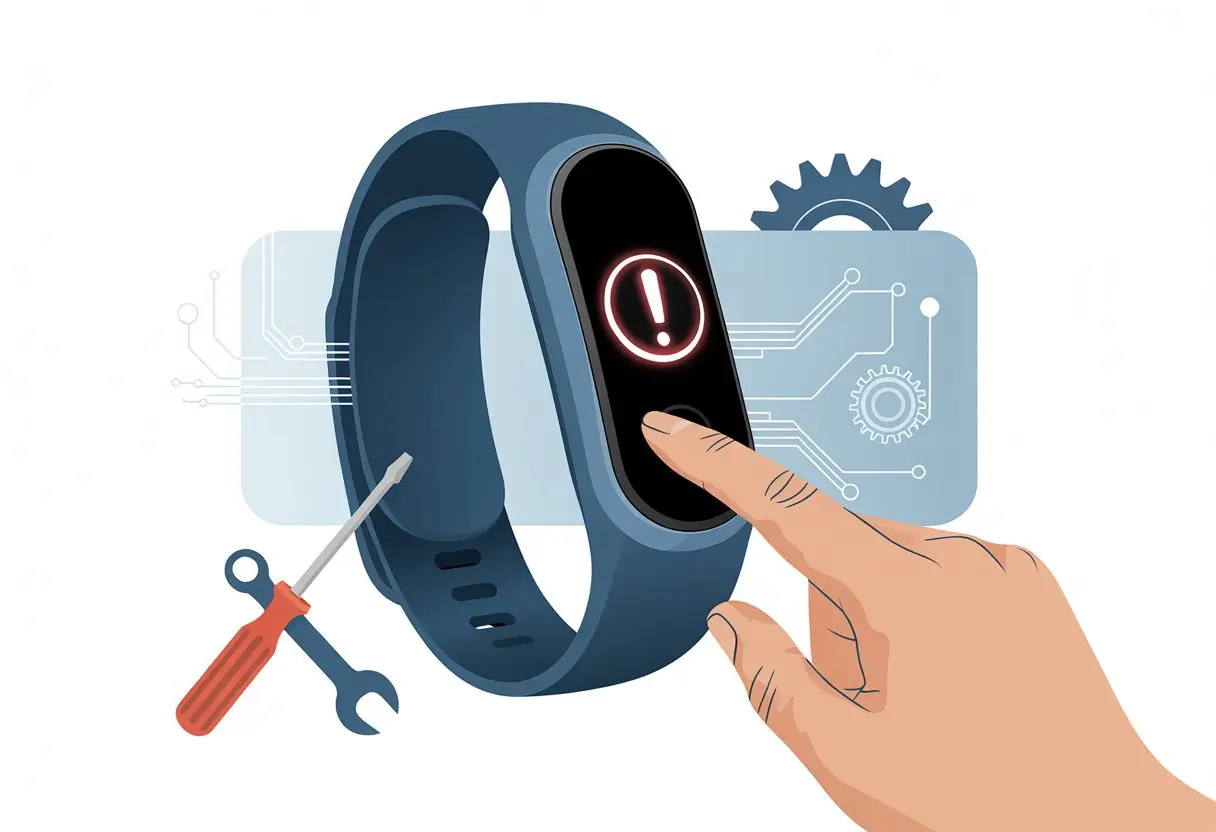
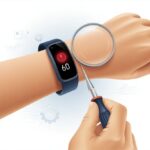
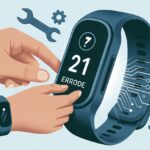
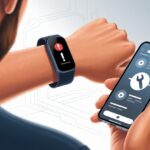
Let’s be real for a second—we’ve all had that moment. You’re ready to hit your daily goals, feeling pumped, and then your fitness tracker slaps you with “Error Code 100.” Suddenly, you’re not jogging—you’re frantically searching Google for answers. Error Code 100 usually means your tracker can’t sync or connect to the app, but honestly, you can fix it without having to become a tech wizard.
Before you chuck your tracker across the room or spiral into a melodrama, remember you’re definitely not the only one dealing with this. Loads of us have wrestled with Error Code 100, and, the good news? You can fix it with a few easy steps.
If you want your device counting your steps instead of causing you stress, finding the right fix is usually pretty quick.
What Is Fitness Tracker Error Code 100?
When Error Code 100 pops up on your fitness tracker, something’s gone off the rails. This issue loves to show up right when you’re feeling smug about your living room laps.
Some devices seem to throw this code more than others, but the reasons aren’t always as mysterious as they look. If you know what’s behind Error Code 100, you can usually sort it out and get back to racking up those steps.
Common Devices That Show Error Code 100
Let’s admit it—most of us have a tracker or smartwatch that loves to flash error codes just as we’re about to “smash” a workout. Error Code 100 pops up a lot on popular brands like Fitbit, Garmin, and a few others that promised to make life easier.
Even the cheaper, basic trackers aren’t immune to this drama. If your tracker connects to apps with Bluetooth or syncs to your phone, you’re probably in the club.
Sometimes, even treadmill consoles and gym equipment get in on the action, especially when syncing data or starting up. If you’re curious about similar error codes on gym gear, check out these troubleshooting tips.
Why Error Codes Appear on Fitness Trackers
Why do our trusty step-counters suddenly freak out and show Error Code 100? Most of the time, it means your device is struggling to talk to an app, the cloud, or another gadget during setup or a sync.
Here’s what usually causes it:
Connection Issues: Bluetooth or Wi-Fi problems can send your device into meltdown.
App Sync Failures: Data just isn’t making it from your tracker to your phone.
Firmware Glitches: The tracker’s software might just need a break or a quick reset.
This error often shows up if the tracker can’t talk to the companion app or loses its server connection mid-sync. When that happens, try restarting your device or reinstalling the app. For more details, check out this explanation of Error Code 100.
Quick Fixes for Error Code 100 on Fitness Trackers
When your fitness tracker flashes Error Code 100, it’s tempting to just give up. But hang on—let’s run through some fixes that actually work.
These solutions are straightforward, and you’ll be back to counting steps (and maybe laughing at yourself) in no time.
Take your tracker off and hold the power or reset button for about 8-10 seconds, or until something changes on the screen. Fitbit and Garmin sometimes have their own restart sequences, so, yeah, maybe peek at the manual (even if you swore you never would).
If your tracker has a removable battery, go ahead and pull it out for a minute, then pop it back in. After restarting, check if the error’s gone.
If it’s still there, don’t stress—a restart usually does the trick, and it’s about as easy as troubleshooting gets.
Update Your Fitness Tracker Software
Sometimes Error Code 100 is just your tracker’s way of saying it needs a software update. Devices need updates to squash bugs and play nice with your phone.
Open up the tracker’s app and look for any “update available” messages or red dots. Most brands make it pretty simple—tap “update,” watch the little wheel spin, and try not to get impatient.
If you can’t find the update option, the manufacturer’s website or support page should point you in the right direction.
Once you update, the tracker should restart itself. If Error Code 100 sticks around, at least you’ve ruled out one thing.
Check Bluetooth and Connection Settings
Error Code 100 sometimes means your tracker and phone aren’t speaking to each other. If restarting and updating didn’t help, Bluetooth might be the culprit.
Make sure Bluetooth is turned on—sometimes we forget after switching on airplane mode or trying to save battery. Open your Bluetooth settings and check if your tracker shows up.
If it’s listed but not connected, try tapping to reconnect. If it’s being stubborn, un-pair and re-pair it. It feels like starting over, but it often clears up connection issues.
You can also toggle Bluetooth off and on again. If your tracker uses WiFi or other fancy features, double-check those settings too.
If you’re still stuck, check the app permissions. Some fitness apps need location or storage access, so make sure those are enabled.
If nothing works, look for device-specific connection steps or check a troubleshooting guide. Sometimes, a little extra help goes a long way.
Solving Notification and Syncing Problems
When your fitness tracker stops sending notifications or won’t sync, it’s usually a sign something deeper is off. Error code 100 loves to pop up when your software settings and real life just aren’t in sync.
How Notification Issues Cause Error Code 100
Let’s be honest—we want our fitness tracker to buzz about steps, not errors. Notification issues often sit at the heart of Error Code 100.
If you’re not getting alerts, your tracker might not be communicating with your phone properly. Sometimes the app forgets to ask for notification permission, or we accidentally deny it.
Bluetooth hiccups, app bugs, or outdated software can make syncing unreliable. Double-check Bluetooth is on and the tracker is connected.
Restart both devices—it’s simple but surprisingly effective. Make sure the fitness app has notification and background permissions.
Do Not Disturb mode is sneaky—one minute you want peace, the next your tracker thinks it should stay silent forever. Error code 100 often shows up when DND blocks notifications from reaching your app or tracker.
Check the Do Not Disturb settings on both your phone and tracker. If DND is on, fitness notifications usually don’t get through.
Try whitelisting your fitness app or turning off DND when you’re expecting notifications. Also, check if you have scheduled DND hours that overlap with your workout times. Sometimes, you set it and forget it—your tracker won’t be impressed.
Troubleshooting Persistent Syncing Issues
Syncing problems love to stick around, like that laundry pile you keep ignoring. Power cycling your tracker and phone can sometimes clear things up.
Make sure your device software and app are up to date. Updates fix more than just bugs.
Bluetooth range isn’t endless, and too many wireless gadgets or metal objects can mess things up. Keep your devices close.
If you’re still struggling, try removing and re-adding your tracker in the app.
Getting Error Code 100 on your fitness tracker isn’t exactly a win. Sometimes, the real problem is a sneaky battery issue, a charging fail, or something else under the hood.
Is Battery Life the Real Culprit?
It’s tempting to blame software, but battery life can be the real villain here. If your tracker’s battery drains fast, freezes at 100%, or won’t hold a charge, things get weird.
A stuck battery reading can make the device act possessed. People have noticed that battery calibration issues can keep the screen stuck at full or drain it in record time (high battery drain guide). This confuses the tracker and sometimes triggers error messages.
Watch for sudden battery drops or unreliable battery life. If your tracker shuts off randomly, that’s a red flag.
Try recharging after a full drain and update your software—it can solve more than just your mood swings.
Charging Tips to Dodge Device Meltdowns
Charging a fitness tracker shouldn’t feel like bomb defusal. Always use the charger that comes with your device—off-brand cables are a gamble, and honestly, who wants to risk it?
If your tracker won’t power on after charging (or just freezes up), try holding the power button down for up to 30 seconds. You might be surprised—this trick actually works more often than you’d think (device frozen help).
Here’s another tip: let your tracker hit 100%, then leave it plugged in for another hour. This helps recalibrate the battery gauge and keeps those fake-full readings at bay.
Don’t charge your tracker in a hot spot. Save the sunbathing for yourself, not your device.
Check for Hardware Malfunctions
Sometimes, the problem isn’t software—the tracker itself just isn’t right. If it gets hot, makes weird noises, or flat-out refuses to charge with a good cable, something’s up.
A dead or swollen battery is a major red flag. Visible damage to the charging port or contacts can also stop it from charging and trigger Error Code 100.
If you’ve ruled out charging issues and battery problems but that error won’t budge, it might be time for repairs. Resetting the device can help, but if it’s stubborn, maybe let a technician take a look.
Don’t feel bad about calling for help. Sometimes, it’s just smarter to let the experts handle it instead of turning your tracker into a science project.
When Error Code 100 Appears on Treadmills (Yes, Really)
Error code 100 popping up on your treadmill can feel like losing a boss fight. Why does it happen, and how do you get your machine back on your side?
Understanding Treadmill Error Messages
Seeing code 100 on the treadmill screen? Most of us react with confusion, then start mashing buttons in hopes of a miracle.
Treadmills flash these codes to tell us something’s wrong. “100” usually means a system, communication, or sensor glitch. These machines seem smarter than they look, and sometimes their warnings are a little dramatic.
The worst part? These codes rarely come with an explanation. Instead, you get a blinking number and a silent cry for help.
Your best bet is to stop using the treadmill, unplug it for a minute, and plug it back in. That old-school trick works more often than you’d expect. Still stuck? Here’s more info: general treadmill error code info.
Brand-Specific Troubleshooting Steps
Every treadmill brand handles error code 100 a little differently. Some want you to reset the control board, while others need you to check connections like speed or incline sensors.
If you’re feeling brave, check the user manual for any “Code 100” advice before you go poking around. With brands like LifeSpan or StarTrac, code 100 might mean a sensor lost contact or the software needs a quick refresh.
You might need to reinstall some software, tighten a loose wire, or update the firmware. If your treadmill keeps flashing that error, don’t hesitate to call support (the number’s in the manual—they’ve heard it all before). For more details, this guide helps: treadmill troubleshooting and error codes.
When All Else Fails: Contacting Customer Support Like a Pro
If error code 100 just won’t quit on your fitness tracker, it’s time to reach out for help. Brace yourself—you might need a little patience (and maybe a sense of humor).
Documenting the Problem (So They Believe You)
Let’s be honest—support teams love evidence. Write down every error message, snap a screenshot, or record a quick video of your tracker acting up.
It helps to:
List the steps you’ve already tried (so you don’t have to reboot for the fifth time)
Note your device model, app version, and phone type
Take photos or screen recordings of error code 100
Having all this ready makes you sound like you know what you’re doing. Support agents appreciate it, and you’ll probably get help faster. Need more pointers? Fitbit offers tips for reaching out to support without losing your mind.
Warranty and Repair Considerations
Before you toss the tracker across the room, maybe check if it’s still under warranty. Most fitness trackers come with a warranty—sometimes a year, sometimes longer.
If your tracker’s covered, you can skip all that troubleshooting drama and just ask for a repair or replacement.
It helps to gather your purchase receipt, the box, and any warranty info. Some brands want the serial number, or at least some proof you’re not sending back a rock with a screen taped on.
If your tracker’s out of warranty, support might still offer a repair for a fee, or maybe they’ll tempt you with an upgrade deal.
Hi, my name is Garrett Jones, and I am a tech enthusiast. I enjoy researching the new tech that has been released, and have a vast knowledge of the best tech to purchase.
From a young age, I have always had a big interest in technology, and this blog is an extension of that interest. Through this blog, I hope to provide others with all of the information they need regarding tech options to consider, and things such as compatibility. Some of the different items I will be discussing include headphones, smartwatches, and how to fix common issues.