Trying to keep up with our eating windows and fasting schedules? Honestly, it’s tough to remember the last time we raided the fridge. That’s where fitness trackers step in to help us out.
Most folks see these gadgets as step-counters, but now they come with fasting timers, hydration nudges, and sleep tracking—perfect for those of us determined to out-fast our coworkers.
There are so many fitness trackers out there, but not all of them help with fasting. Some just focus on steps and workouts, while others actually care about our fasting routines and overall wellness.
We’ve found that picking one with accurate time tracking, clear displays, and useful health apps really matters. Battery life’s a big deal too—because nothing kills motivation like a dead tracker right after a fast (or, worse, in the middle of a snack).
With so many choices, it helps to know which features fit our fasting needs. We spent hours digging into popular fitness trackers and testing their fasting features to see which ones actually make intermittent fasting easier (and, if we’re lucky, even a bit more fun).
Best Fitness Trackers for Intermittent Fasting
Skipping breakfast sounds easier than it is, but the right fitness tracker can make us feel like fasting superheroes. Let’s check out the top gadgets that help us track progress without tracking our blood sugar crashes.
If you’re juggling fasting times and step counts, the Fitbit Inspire 3 feels like a tiny coach on your wrist who’s a bit too invested in your bedtime.
Pros
Tracks heart rate, sleep, and stress—so we know why we’re grumpy on an empty stomach
Battery can last up to 10 days, so charging isn’t a daily chore
Lightweight and comfy wristband—we forget it’s there (until it buzzes)
Cons
Need your phone nearby for GPS—so solo runs are less solo
Full features require a Premium trial, and that runs out quickly
Screen’s a bit small for bigger fingers
We strapped on the Inspire 3 and immediately noticed how comfy it felt. No wrist pinch, even after a long nap (which, yes, the Fitbit judged us for).
Tracking fasting windows was easy, and seeing stress and sleep patterns helped explain those weird hunger dreams.
We had to keep our phones close for GPS, so even fridge runs during eating windows got tracked—maybe more than we wanted.
The “move” reminders are hilarious when we’re already pacing, thinking about dinner. Navigating menus took a bit to get used to, but once we did, checking daily data became a weirdly fun habit.
Our favorite part? Seeing how well (or not) we slept between snack attacks. The Premium trial is a nice touch, but if we get attached, there’s yet another subscription in our future.
If you want a fitness tracker for fasting that keeps you accountable without driving you nuts, the Fitbit Inspire 3 is an easy pick.
Pros
Slim and comfy—no robot vibes at lunch
Excellent sleep and heart tracking for fasting recovery
Battery lasts almost as long as our cravings
Cons
Tiny screen, so squinting comes with the territory
App sometimes nags more than our moms
Lacks built-in GPS, so the phone still comes along
The Fitbit Inspire 3 quietly keeps us on track without making us look like we’re prepping for a marathon. Slipping it on is easy, even on groggy mornings, and it’s so light we forget it’s there—until it buzzes to remind us about eating (or not eating).
We love the heart rate and sleep tracking. Fasting just feels easier when we’re not zombies.
The gentle nudge to move interrupts our couch time sometimes, but honestly, we need the push.
Battery life is impressive—it can outlast our willpower on day three of a fast. The downside? The screen is tiny, so our thumbs sometimes miss swipes. No GPS means we still need our phone for “fasted cardio” bragging rights online.
If you want a simple, reliable tracker that makes fasting and tracking a team effort, this one keeps us in line (and maybe out of the snack drawer).
Looking for a no-nonsense tracker that keeps up with fasting and fitness goals? The Fitbit Inspire 2 is a solid pick—plus, it’s slim enough to match any questionable outfit.
Tracks heart rate, sleep, and activity, so we can pretend we know what we’re doing
Comes with a year of free Premium for “personalized insights” (and clever reminders to move more)
Cons
No built-in fasting timer—we rely on the app for reminders
Small screen means lots of squinting
Now needs a Google account—so, another password to forget
When we put this on, it felt extra light—almost like Fitbit wanted us to forget about it (until it buzzed to remind us we haven’t moved in an hour).
Setup was a breeze, and our step goals suddenly looked less sad. With 24/7 heart rate tracking, we saw exactly how our heart reacted to that last-minute grocery dash before breaking our fast.
The sleep insights are surprisingly detailed. We finally figured out why we felt groggy during our noon “breakfast.”
Checking activity and calories was just a swipe away, so we could sneak a peek during meetings. The swim-proof build survived our “testing” in the shower—strictly for science, of course.
We wish there was a built-in fasting timer, but using the app’s reminders worked. Inspire 2 also kept us in the loop with calls and texts, though the small screen isn’t made for reading novels.
If you need extra motivation (and a laugh), the badges and challenges are a sneaky way to keep you moving, even when you’d rather nap than fast.
Need a fitness tracker for intermittent fasting that won’t empty your wallet? The Amzhero Health Tracker covers most essentials—with a few quirks.
Pros
Tracks heart rate, blood oxygen, and sleep all day
Battery life outlasts our snack cravings
Stays strong against water—even when it takes a dive in the sink
Cons
Setup feels like a puzzle with missing pieces
Waking up the screen by pushing buttons gets old
Notification controls could use a serious upgrade
We strapped on the Amzhero Health Tracker and got excited to try all the health monitoring features. Heart rate, blood oxygen, and sleep tracking help us figure out if we’re tired, hungry, or just turning into a raisin during those fasting windows.
It keeps up with daily activity tracking and doesn’t nag us about calories every five minutes. The step counter kept us moving on those guilt-fueled late-night fasting walks.
Waterproofing meant we didn’t panic when splashing water everywhere while rinsing veggies. Getting it set up tested our patience though, and we wondered how many more buttons we could push before something magical happened.
Once paired, notifications, reminders, and health stats showed up clearly on the decent-sized display. This tracker won’t outsmart our cravings, but it’s a reliable buddy for intermittent fasting adventures.
Trying to remember when to eat, move, and not nap through our eating window? This tracker’s got our backs (and wrists).
Pros
Full-color screen actually makes checking stats fun
Battery outlasts our self-control before lunch
Handles just about every reminder we could use
Cons
Touchscreen gets jumpy if our fingers are sweaty
Limited design colors—rose pink isn’t for everyone
Tons of features mean setup takes a little patience
After putting on the Wontrum Health Tracker Watch, we realized our fasting goals just got a digital coach. The reminders tell us when to move, sip water, and most importantly, when it’s finally time to eat—no more staring at the clock, pretending not to be hungry.
The sleep tracker called us out for our lack of REM sleep (rude, but hey, it’s useful). We love the bright screen. Scrolling through the dials made us feel like a secret agent—or at least someone who knows what time it is.
The app offers loads of customization, so we changed the watch face daily just for fun. It tracks more workouts than we’ll ever try, but maybe this is the year we become yoga-cycling-boxing superstars.
Setting up all the extras took a bit of patience, but once we got going, the watch became a trusty sidekick. It’s waterproof, so kitchen mishaps, sweat, or rainstorms didn’t make us take it off.
We don’t always remember to charge our stuff, but the Wontrum forgave us with impressive battery life. For anyone balancing fasting, hydration, and staying active, this tracker gives a lot of helpful nudges—and honestly, it’s prettier than most of our old phones.
If you just want a no-fuss tracker to keep you honest during fasting windows and maybe help with that midnight snack guilt, the Inspire HR kind of nails it.
Pros
Tracks calories and heart rate all day—so your snack mistakes never slip by
Lightweight and comfy enough that you might forget you’re wearing it
Battery lasts almost a workweek (but sadly, it won’t do your job for you)
Cons
Screen is tiny, like it’s hiding something
Thinks wild hand movements count as exercise (sorry, stapler)
Doesn’t double as a smartwatch, so we’re not living out our James Bond dreams
There’s something satisfying about glancing at the Inspire HR and instantly seeing if those stomach grumbles match your step count.
It keeps up with calories burned during fasting, so you know exactly how much you’ve “earned” that first bite.
Wearing it all day, even while sleeping, is barely noticeable.
It’s slimmer than you’d expect and only gets in the way if you’re squinting at it in bright sunlight, risking some new wrinkles.
The heart rate monitor comes in handy around mealtime, letting you see just how “hangry” you’re getting as the fasting clock winds down.
The battery is honestly one of the best parts.
You can leave the charger at home and not worry for days.
Just don’t expect it to answer texts or pay for your coffee; it’s focused on health tracking, not making you look like a tech genius.
If you’re aiming to stay on track with intermittent fasting, it fits the bill—literally and figuratively.
If you want a fitness tracker that lasts all week, feels like a light bracelet, and helps you keep tabs on fasting goals without screaming “tech nerd,” the Garmin vívosmart 5 deserves a look.
Pros
Battery just keeps going—no nightly charging stress
Tracks body energy, stress, and sleep for a full fasting snapshot
Slim size makes it easy to forget you’re wearing it (until it vibrates)
Cons
Bigger display feels clunky if you liked the old, tiny models
Heart rate and stress features can be a bit too honest sometimes
Syncing with the app sometimes tests your patience
Honestly, the slim, lightweight band surprised us in a good way.
After a few hours, we barely noticed it was still on.
That’s a win if you hate bulky gadgets or want something small enough for sleep tracking (which, by the way, is actually pretty detailed).
Tracking Body Battery and stress levels made us realize how dramatic we get when hungry.
When you check mid-fasting and see an energy dip alert, at least you get a heads up before snapping at someone over lunch.
Notifications come through clearly, even if your phone is in another room.
Syncing to Garmin Connect took a little longer than we wanted, but once it’s set up, you get a surprisingly thorough view of your progress.
If you don’t mind a slightly larger screen and appreciate gentle reminders to breathe, vívosmart 5 is a solid buddy for fasting and fitness.
Just don’t blame it when it catches your stress spike on an empty stomach—hey, we’ve all been there.
If you want a fitness tracker that seriously covers your health without emptying your wallet, this one checks all the boxes (and maybe your pulse too).
Pros
The display is bright, colorful, and surprisingly fancy for something affordable.
Heart rate, blood oxygen, and sleep data all show up in one easy app—even the laziest of us can’t miss it.
You can swap watch faces to match your mood (or just confuse people who keep asking about your steps).
Cons
Setting it up the first time feels like solving a tiny tech puzzle while hangry.
You have to download the right app (or risk connecting to someone’s Bluetooth speaker instead).
The touchscreen needs a gentle tap—too heavy, and you just get smudges.
Right away, the screen impresses with its crispness—even if you’re squinting at it before sunrise.
You don’t have to squint, and it somehow makes fingerprints look classy.
Changing watch faces means you’ll never get bored—plus, it’s fun confusing coworkers who keep checking if your tracker is new.
Tracking intermittent fasting habits feels easier when your tracker quietly logs steps, heart rate, and sleep.
That “sedentary reminder” is like a friend who wants you off the couch, but less judgy.
Setup takes a few more steps than we’d hoped, but the payoff is worth it.
Once paired, notifications come through quickly, so you don’t risk missing a crucial message while pondering your next meal window.
If you’re balancing fasting and general life chaos, the BSLIZHEN C60 Fitness Tracker deserves a real look—if nothing else, it’ll keep you one step (or tap) ahead.
If you want to keep your fasting intervals in check without draining your wallet, this tracker is worth a look.
Pros
Tracks heart rate and sleep around the clock, so you always have data—even if you’re sleepwalking to the fridge.
Easy to swap watch faces, making your tracker as dynamic as your midnight cravings.
Battery life is strong; you can almost forget the charger on short trips.
Cons
App design isn’t great, so you might have to hunt for fasting data.
Notifications can be persistent, buzzing more than your mom in the family group chat.
The screen isn’t fancy, so outdoor viewing can be iffy.
When we put on the TIMU, we wondered if something this affordable would actually help with intermittent fasting.
Turns out, the constant heart rate and sleep tracking gave us some handy insight—especially when our energy dipped mid-fast (and yes, it still counted steps when we wandered to check the pantry).
Switching up the watch faces was more fun than expected.
We could match our mood or our willpower.
The watch is lightweight, so it never got in the way.
We liked not having to charge it every other day; fasting is already enough of a challenge.
Notifications came fast and often, so we didn’t miss reminders for the next meal—or the next walk when hunger pangs hit.
The only downside was squinting at the screen outdoors and poking around the app to find what we needed.
Still, for the money, TIMU Fitness Tracker definitely puts in a good day’s (and night’s) work.
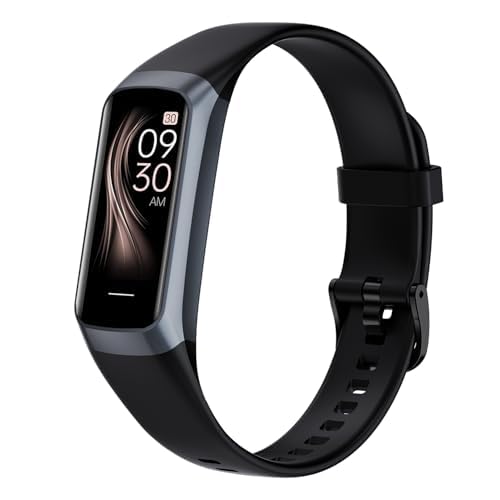
If you want a fitness tracker for intermittent fasting that does what you need and still looks good, the Aukire Smart Fitness Tracker is a solid pick.
Pros
Heart rate and blood oxygen monitoring all day, every day
Customizable watch faces (even embarrassing selfies, if you’re brave)
Battery can last all week—no frantic charger hunts
Cons
Screen might be too small for those with giant thumbs
Limited workout data in the app—don’t expect Olympic-level insights
Only two app themes match the “I just woke up and don’t want to be seen” vibe
This tracker covers the essentials: it records heart rate all day, measures blood oxygen, and reminds you to drink water (as if you needed another reminder).
The touch screen is bright and easy to use, even when you’re avoiding looking at how few steps you took after your “power walk” to the fridge.
Setup is quick—you’ll have it out of the box, app downloaded, Bluetooth connected, and tracking steps before you finish your first cup of coffee.
The screen is easy to read, and it’s lightweight enough to not look silly with casual, gym, or even pajama outfits.
The battery life surprised us—it just keeps going, so you don’t have to plan your life around charging cables.
While the app isn’t exactly a life coach, it does help you keep tabs on progress, sleep, and those sneaky calories.
If you want a smart tracker that handles the basics without fuss, Aukire gives you plenty of value for the price.
Buying Guide
When we’re on the hunt for the best fitness tracker for intermittent fasting, a few things really stand out. Nobody wants to end up with a glorified wristwatch—it has to actually help, not just look cool.
Battery life? Huge deal. Nothing kills motivation faster than a dead tracker halfway through your day. The longer it lasts, the less we have to worry about charging—honestly, who needs another thing to remember?
We also care about accurate sleep tracking. If you’re fasting, tracking sleep can reveal whether your eating windows leave you groggy or feeling sharp. Waking up like a zombie? Yeah, no thanks.
Check for fasting timer features too. Some trackers come with built-in reminders or apps that nudge us about fasting windows. It’s almost like strapping a tiny coach to your wrist—pretty handy if you ask me.
Here’s a quick table to compare the stuff that actually matters:
Feature
Why It Matters
Battery Life
Less hassle, fewer charges
Sleep Tracking
See how fasting affects our sleep
Fasting Reminders
Stay on schedule, avoid late snacking
Water Resistance
Survives showers and sweaty workouts
App Compatibility
Syncs fasting info effortlessly
A comfortable fit is honestly essential. If it feels like a medieval torture device, we just won’t wear it. Try before you buy if you can, or at least double-check the return policy—no one wants wrist blisters.
App compatibility is another thing we shouldn’t ignore. We want the tracker to work smoothly with our phones or favorite apps. The easier it is to sync our data, the more likely we’ll actually keep up with these healthy habits.
Hi, my name is Garrett Jones, and I am a tech enthusiast. I enjoy researching the new tech that has been released, and have a vast knowledge of the best tech to purchase.
From a young age, I have always had a big interest in technology, and this blog is an extension of that interest. Through this blog, I hope to provide others with all of the information they need regarding tech options to consider, and things such as compatibility. Some of the different items I will be discussing include headphones, smartwatches, and how to fix common issues.