Ever wish your smartwatch could handle your stress instead of just counting steps and buzzing during meetings? Good news—these little wrist gadgets actually come with stress tracking features that can tell you when you’re on the edge of needing a way-too-long lunch break.
You can use a smartwatch to check your stress levels and get reminders to relax, all without leaving your desk or losing your cool.
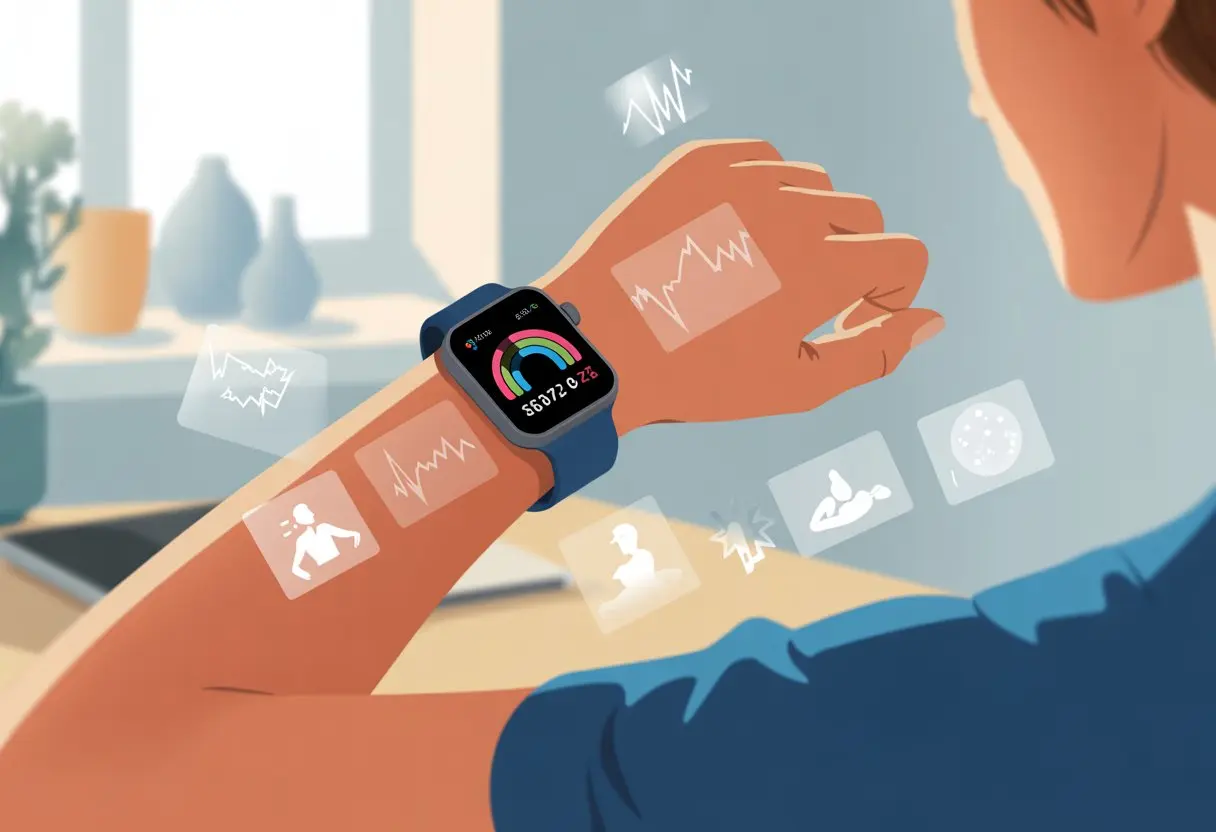
By measuring things like heart rate and heart rate variability, your smartwatch acts like a tiny, judgment-free therapist on your wrist. It’s almost like having a friend who taps you gently and says, “Maybe it’s time to take a deep breath,”—but without the awkward eye contact.
If you’re ready to turn your gadget into a stress detective, stick around. You’ll learn how to use these features, what the numbers mean, and why your watch might know you need a break before you do.
What Is Stress Tracking on a Smartwatch?
Who knew a little device on your wrist could tell you you’re about to lose it before you even realize? Smartwatches and other wearables give us a peek into our stress levels using science—no magic required.
It all comes down to heart patterns, data, and the occasional polite nudge when you’ve had one too many cups of coffee.
How Smartwatches Track Stress
Your smartwatch isn’t just counting steps and nagging you to stand up. It uses sensors to track things like heart rate and heart rate variability (HRV).
When you get stressed, your heart rhythm changes in subtle ways—kind of like when your favorite TV show spoils itself in the trailer.
Most smartwatches use tiny lights under the watch, called photoplethysmography sensors. These measure blood flow every second and send this info to a chip that crunches the numbers.
Some devices even let you know when your stress levels are high and suggest you take a deep breath or walk around. Who knew your wrist buddy could be so caring?
Your smartwatch keeps an eye on those mini heart rate changes to spot stress early—even if you’re still pretending you’re totally fine.
Common Metrics Used in Stress Tracking
When your smartwatch tracks stress, it focuses on a few main numbers. The biggest one is heart rate variability (HRV)—basically, how much your heartbeat changes from one beat to the next.
A high HRV usually means you’re relaxed. A low HRV means something’s probably making you tense, like traffic or those endless group chats.
Smartwatches also record resting heart rate and sometimes blood oxygen levels or skin temperature. Some wearables combine these into a simple stress score, often shown as a number or a colorful chart.
You don’t need to be a scientist—just glance at the screen and pretend you totally understand the graphs.
Stress gets tracked in real time, so you can check in during the day instead of waiting until it’s too late and you’re hiding in the bathroom at work.
If you want details, Garmin explains how their tech puts these numbers together.
Differences Between Smartwatch and Fitness Tracker Stress Tracking
Now, let’s talk about smartwatches versus fitness trackers. Both track stress, but smartwatches usually bring more features (and more chances for you to ignore their advice).
Some smartwatches have extra sensors or can give you specific coaching or breathing exercises, while fitness trackers keep things basic.
Smartwatches often show detailed graphs, let you set alerts, and sometimes offer tools like mindfulness reminders. Fitness trackers stick to the basics and usually leave out the coaching features.
Think of smartwatches as that helpful friend who won’t leave you alone until you chill out, while a fitness tracker is more like the friend who just nods and hopes for the best.
If you’re deciding between the two, check if you want just the numbers or the full “digital wellness coach” experience. According to Garmin, their smartwatches and trackers use similar stress algorithms, but smartwatches often pull in more data and features for a fuller picture.
So if you want the royal treatment, the smartwatch is probably your best bet.
Setting Up Stress Tracking on Your Smartwatch
Before you can become a stress-monitoring expert, you need the right smartwatch, you have to turn on stress tracking, and you’ll need to share your data with the right apps.
Let’s roll up our sleeves and get this sorted, step by step.
Choosing the Right Device
First, you need a smartwatch that actually speaks “stress.” Not all watches can read your anxiety—otherwise, even your old calculator watch would be in the game.
If you like tech, the Fitbit Sense and various Garmin smartwatches are great options. These wearables come loaded with stress tracking and health features that let you check your stats without doing any math.
Some smartwatches measure stress using heart rate variability. If you want helpful notifications—like “Take a breath!” or “Maybe don’t read the news right now”—these devices fit the bill.
They even offer cool watch faces that show stress at a glance, so you can’t be surprised by your tension.
Choosing the best device means looking for accuracy, decent battery life, and support for notifications. Bonus points if your watch matches your style.
Enabling Stress Detection Features
Once you’ve picked your trusty sidekick, you need to flip the right switches and actually enable stress detection. This isn’t as complicated as assembling furniture, but you’ll still need to poke around some menus.
On a Garmin smartwatch, for example, you can visit the Garmin Connect app and do this:
- Open the app and tap “More.”
- Select “Health Stats.”
- Tap “Stress” to turn on tracking.
Other devices, like the Samsung Galaxy Watch, let you open Samsung Health, swipe, and tap “Stress tracker” to start measuring.
Make sure notifications are allowed, so your watch tells you when you need to chill out.
Some watches also let you pick watch faces that show stress, so you can keep an eye on your levels without extra taps.
Configuring Health Data Permissions
Finally, you have to convince your devices to share health data between your watch and phone. This usually means accepting some terms you’ll probably skim.
Check the privacy settings on your wearable and the companion app. Most platforms, like Garmin or Fitbit, want permission to read your heart rate, activity, and more to measure stress accurately.
You’ll find these settings under “Health Permissions” or “App Permissions.” It’s worth checking what’s being shared.
Your stress info might be safe from your parents, but the watch still needs data access to work properly.
Clear permissions mean you’ll get synced notifications and fuller health reports, which could help you make better choices—or at least give you something to overanalyze with your friends. For more, check the basics of Garmin stress tracking setup.
Understanding the Science: How Smartwatches Measure Stress
Stressed out? Your smartwatch has some clever tricks to sense your stress—even if you’re only freaking out over a slow Wi-Fi connection.
These gadgets use heart data, skin sensors, and sometimes your breathing to figure out what’s going on.
Heart Rate and Heart Rate Variability (HRV) Explained
Let’s start with heart rate. Your smartwatch loves to keep tabs on this number, giving you a scorecard for your ticker.
But it’s not just about beats per minute. The real action is with heart rate variability, or HRV.
HRV measures the time between each beat, not just the beats themselves. If your heart is bouncing happily between beats at different intervals, that’s usually a good sign—you’re relaxed.
If it chugs along like a tired drummer, that’s often a red flag for stress.
Your watch uses light sensors called photoplethysmographs. Basically, it shines a light on your skin and watches for blood pulsing by.
Based on this, smartwatches estimate your heart rate and HRV.
When your HRV drops, your stress levels might be going up. That’s when it’s time to try some deep breaths or maybe watch a cat video.
Electrodermal Activity and Its Role
Let’s talk about sweat—yep, really. Electrodermal activity (EDA) tracks how sweaty your skin gets.
More sweat usually means your fight-or-flight system is on high alert.
If your smartwatch has EDA sensors, it sends a gentle current through your skin (don’t worry, you won’t feel it). When your stress spikes, your skin gets a bit sweatier, and the electrical signals change.
The watch picks up on these changes and gives you a nudge to calm down. It’s like having a tiny, polite spa therapist on your wrist.
Most models mix EDA data with heart data for a more complete stress guess. If your device chimes in during family dinners, it’s probably catching on to the holiday chaos.
Breathing and Blood Pressure Monitoring
Now, don’t forget the classic duo: breathing and blood pressure.
Some smartwatches keep an eye on how often you inhale and exhale. Breathing too shallow or too quick? That might be a clue you’re stressed—or just running for the bus.
A few models also estimate blood pressure. They use sensors to check changes in your arteries.
High blood pressure can mean your body is feeling stress, even if your brain is pretending everything’s fine.
When smartwatches connect breathing rates and blood pressure with your heart stats, they get better at spotting stress.
They can even suggest breathing exercises to help slow things down. Sometimes, all you need is that gentle buzz from your wrist to remind you to breathe.
Using Your Smartwatch for Daily Stress Tracking
Your smartwatch does more than make you look techy—it helps you spot stress before it starts running the show.
It sends reminders, tracks your stress patterns, and keeps you honest about your habits. That makes it a lot easier to take breaks and breathe (before you forget how).
Interpreting Stress Levels and Alerts
When our smartwatch buzzes with a stress alert, it’s not a reason to panic—it’s just a little nudge to pause. Most smartwatches check our heart rate and heart rate variability to measure stress, then hand us a simple score or chart so we don’t have to guess how frazzled we feel.
On models like Garmin and Samsung, we get a graph or a number showing how stressed we’ve been all day. If our score is high, our bodies are definitely feeling the pressure.
Some watches even nudge us with a gentle alert (thankfully not a blaring alarm) when it’s time for a breather. Garmin’s devices, for example, suggest a quick breathing exercise right from the wrist if stress gets high—it’s more like a polite poke from a digital buddy than a lecture from a parent.
Want to dig deeper? Garmin explains more about their stress tracking technology.
Setting Goals and Reminders for Stress Management
Setting goals helps us keep stress from sneaking up like a cat in the night. Our smartwatch can schedule daily relaxation breaks or send reminders for habits like taking a walk, drinking water, or just standing up after too much chair time.
Most smartwatches let us customize alarms and notifications for stress management. We can set a “move alert” to remind us that sitting still for hours isn’t exactly heroic.
If we’re feeling ambitious, we can set a target for the number of breathing sessions or relaxation minutes we want each day.
Here’s a quick checklist to get rolling:
- Set daily goals for relaxation minutes or breathing sessions
- Turn on move alerts and alarms to build healthy habits
- Adjust reminders so they match our schedules (nobody wants a 3 a.m. nudge)
- Review stress data each day—pretend we’re health detectives if that helps
Samsung Health’s stress tracker helps measure and manage stress levels with reminders and scheduled activities. If we’re curious, read more about measuring stress with Samsung Health.
Getting More Zen: Stress Management Tools on Your Smartwatch
Our smartwatch isn’t just counting steps; it can help us chill out, too. With guided breathing and mindfulness apps, we have new ways to handle stress—even if we’re drowning in meeting reminders.
Guided Breathing Exercises
Let’s be honest, most of us forget to breathe deeply. Luckily, our smartwatch steps in—like a tiny, sometimes bossy life coach on our wrist.
Most smartwatches offer guided breathing exercises. These walk us through slow inhales and exhales, often with helpful visuals or a gentle buzz.
Here’s how it usually goes:
- Step 1: The watch tells us when to breathe in.
- Step 2: It nudges us to pause—definitely not the time for rapid-fire breathing.
- Step 3: We exhale as the watch counts down.
The trick is actually following along, not getting distracted by group chats or snack cravings. In just a few minutes, our heart rate can slow and stress drops a bit.
If our watch has stress tracking, we can check if those breathing exercises made a dent.
Using Mindfulness Apps
Mindfulness apps on our smartwatch aim to turn us into calm pros—well, that’s the dream. Many watches come loaded with built-in apps or let us grab options like Calm, Headspace, or Breathe.
These apps usually offer:
- Short meditation sessions that fit into a coffee break
- Body scan exercises to ground us when things get hectic
- Reminders to take a mindful moment, which is perfect when we’re one email away from losing it
Some mindfulness apps keep track of how often we practice and sync this data with our health stats. That way, we can see if our stress management moves are paying off.
Next time our watch suggests a “mindful moment,” maybe we’ll thank it instead of rolling our eyes.
Integrating Stress Tracking With Health and Fitness Activities
If we’re already wearing a smartwatch, we might as well squeeze out more than just a step count. Stress tracking can actually tie into our fitness routines and high-energy days—without making us feel like robots.
Combining Stress Tracking With Fitness Tracking
It’s not just about heart rate or calories anymore. When we add stress tracking to our health monitoring, we get a clearer picture of how our bodies feel.
Stress doesn’t just spike during work or exams; it climbs on tough workout days, too.
Many smartwatches show us graphs or charts of our Body Battery or daily stress score, right next to steps, sleep, and exercise. We start to notice trends—like those weird midday stress jumps (thanks, surprise Zoom calls).
Here’s how we can use both features for smarter training:
- Check our stress score before a workout to decide if today’s for a hard run or just a stroll.
- Pair stress alerts with sleep tracking to spot patterns messing with our rest.
- Use reminders for quick breathing exercises when stress tries to hijack our productivity.
These features work together for a more complete approach to health. It’s like having a tiny life coach on our wrist—just one that never yells.
Monitoring Stress During Workouts and Marathons
When we’re sweating it out during a tough gym session or running a marathon, our smartwatches don’t just track pace—they let us peek at real-time stress levels.
Sometimes we notice our hearts working overtime from excitement, or maybe nerves sneak up on us.
For marathons and other endurance events, keeping an eye on stress helps us adjust pace and avoid burning out.
If stress spikes, it’s probably time to slow down, grab some water, or finally try that breathing trick we keep meaning to use.
During workouts, stress tracking acts as a little safety net.
High stress might mean we’re pushing too hard, running on empty, or just not recovering enough.
Our watch might nudge us to take breaks or cool down, which honestly helps us finish stronger—and maybe even a bit happier.
Mixing stress and health tracking isn’t just about numbers.
It’s really about tuning in, dodging total exhaustion, and squeezing in a mindful moment, even in the middle of a race.

From a young age, I have always had a big interest in technology, and this blog is an extension of that interest. Through this blog, I hope to provide others with all of the information they need regarding tech options to consider, and things such as compatibility. Some of the different items I will be discussing include headphones, smartwatches, and how to fix common issues.
- The Best Rugged And Waterproof Smartwatches - October 21, 2026
- 10 Best Military Smartwatch – Find The Best Tactical Military Watches in 2023 - October 20, 2026
- Are Wired Headphones Safer Than Bluetooth? A Friendly Guide - October 20, 2026
Related Posts: