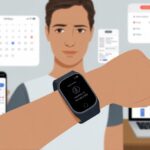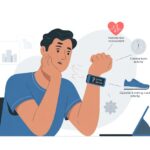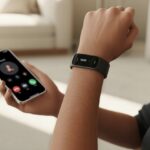
We’ve all been there—waking up groggy, glancing at our fitness tracker, and seeing that apparently we slept like a hibernating bear. Meanwhile, we remember tossing, turning, and maybe even plotting to launch that watch across the room.
Our fitness tracker can show inaccurate sleep data because it can’t always tell if we’re just lying still awake or actually sleeping.
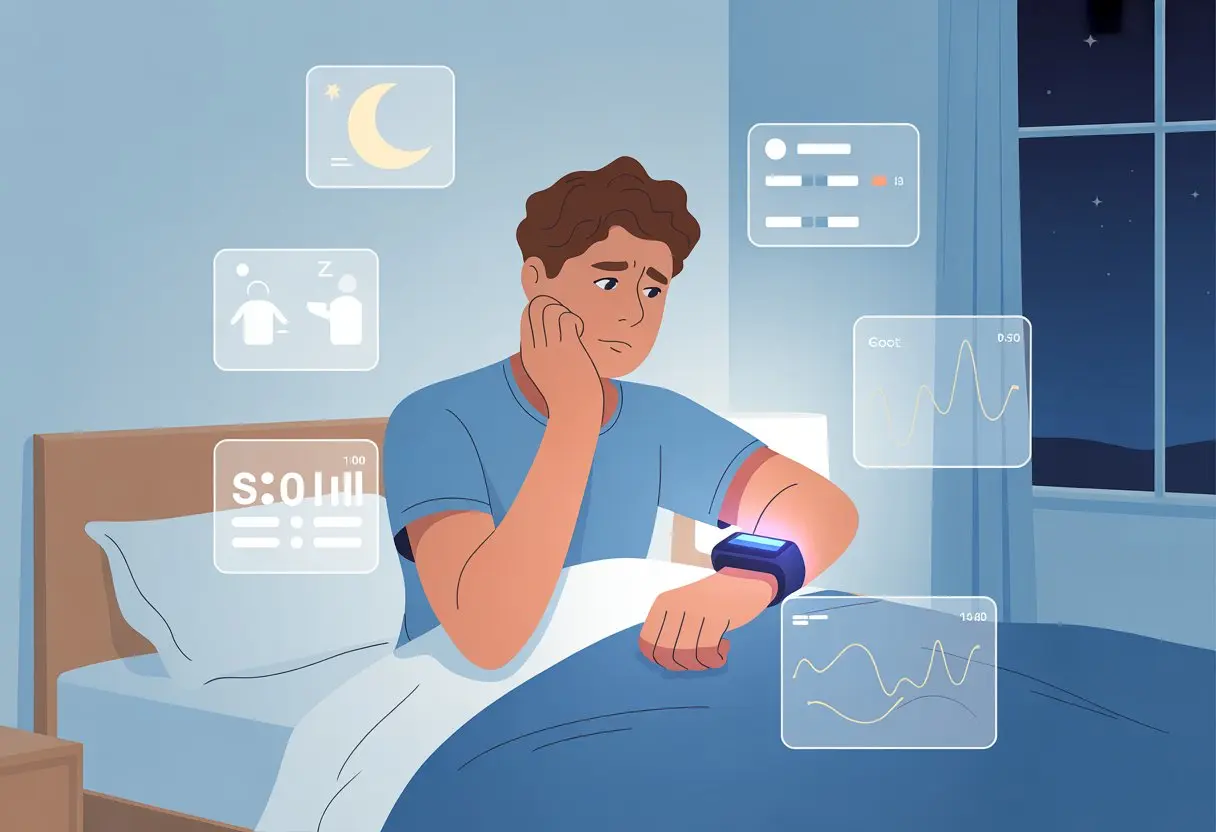
Some trackers have settings labeled “sensitive” or “normal,” and honestly, that one little toggle can totally change our digital snooze report. Sometimes, our watch thinks we’re in deep sleep just because we haven’t moved in a while, when really, we’re stuck in a late-night Netflix spiral.
If we take short naps or lie down a lot during the day, our tracker might ignore these moments because it needs a certain amount of time to count something as a real sleep session.
Should we trust the numbers or our tired eyes in the morning? Let’s poke around at why those sleep stats get so mixed up and what we can actually do about it—because if our tracker insists we’re sleeping through our alarm, we should at least know why.
How Fitness Trackers Monitor Sleep
Fitness trackers use built-in sensors to collect health data while we sleep. They track things like our heart rate, movement, and when we go to bed or wake up.
Understanding Sleep Tracking Technology
When we wear a sleep tracker, we’re basically strapping a tiny sleep detective to our wrist. Most fitness trackers use a blend of sensors to guess when we’re asleep or awake.
The main ones? The accelerometer and the heart rate monitor. Some fancier wearables add a few more tricks.
Accelerometers act like little motion detectors. If we’re moving a lot, they think we’re awake. If we’re lying still, they assume we’re sleeping.
Meanwhile, the heart rate sensor keeps an eye on our pulse. Sleep trackers mash all this info together and use algorithms—really just some clever math—to break our night into different sleep stages.
But, let’s be real, fitness trackers can’t actually read our minds. They make educated guesses based on the patterns they see, which is why our sleep data sometimes feels off.
Some devices depend more on motion. Others try to get clever with heart rate changes. Either way, they’re doing their best detective work—no magnifying glass required.
The Role of Heart Rate and Accelerometers
Our fitness tracker tries to channel Sherlock Holmes, using our heart rate and movement as clues. The accelerometer tracks how much we toss and turn.
If it senses almost no movement, it assumes we’re deep in dreamland. Heart rate matters too.
When our body slows down during certain sleep stages, the tracker uses those shifts to decide if we’re in light, deep, or REM sleep. The tracker’s algorithm ties these clues together—movement from the accelerometer and changes in heart rate—to create our nightly sleep report.
Different brands might rely more on one sensor than the other. Some trackers focus on the accelerometer, others lean on heart rate.
This guessing game can lead to differences in our sleep data, but honestly, all fitness trackers work pretty much the same way: lots of sensor snooping and a dash of algorithmic magic.
Common Causes of Inaccurate Sleep Data
Sometimes our fitness trackers claim we’ve had the best night’s sleep ever—even when we know we were awake stressing about laundry. Our sleep data can end up less reliable than our morning alarms.
Let’s look at the main reasons why our fitness tracker numbers might be missing the mark.
Limitations of Algorithms
Sleep tracking algorithms aren’t magical—though we’d all love one that could erase the evidence of late-night snacking. These algorithms mostly rely on heart rate, movement, and patterns.
Here’s the tricky part: we all have weird sleep habits, and algorithms can mistake tossing and turning for dance moves.
It’s common to see errors in how our tracker reports different sleep stages. Sometimes, our device thinks we’ve spent hours in deep sleep when we’ve really been binge-watching videos in bed.
Devices often guess at our awake times, confusing short wake-ups with actual sleep. Our bodies don’t always send the clear signals that algorithms expect.
This means some fitness trackers get confused and overestimate how restful our nights really are. Wouldn’t it be nice if they gave us bonus points for effort?
Device Placement and Fit
If our tracker is flopping around on our wrist, the sleep data is going to be off. Device placement is one of the least glamorous parts of sleep tracking, but it matters.
We need the tracker snug, yet comfortable—not so tight that it leaves a mark for days.
A tracker that’s too loose might lose contact with our skin and won’t measure our heart rate or movement well. If we put it on upside-down (yes, it happens), the sensors get confused.
According to Fitbit, sleeping in a position that blocks the sensor or loosening the device can lead to poor readings. For best results, we should place our tracker above the wrist bone and make sure it’s flat against our skin.
It’s not glamorous advice, but our health data will thank us.
User Behavior and Habits
How many of us climb into bed and just scroll on our phones for an hour? Our trackers see us lying still and assume we’re sleeping, when really, we’re perfecting our procrastination skills.
Anything that disrupts a normal sleep schedule—like falling asleep to TV, getting up for snacks, or accidentally wearing the device during a midday nap—throws off the data.
If we forget to take the tracker off after waking, or leave settings like “sleep focus” on too long, our devices might log awake time as sleep. Apple Watch users, for example, might notice wildly inaccurate logs if they leave sleep modes running after getting up.
Consistent behavior, like going to bed and waking up at the same time, helps most devices track sleep stages and health data more reliably.
How Sleep Disorders Impact Tracking Accuracy
Sleep trackers like to pretend they’re sleep doctors, but sometimes they really miss the mark—especially when our sleep is all over the place. Sleep disorders can turn these helpful gadgets into confused bystanders.
Insomnia and Your Fitness Tracker
If we have insomnia, our sleep patterns can be a rollercoaster. We might spend hours staring at the ceiling or tossing and turning, but our fitness trackers often think we’re snoozing.
Most trackers rely on how much we move, not on actual brainwaves. If we’re lying still, our device might assume we’re deep in dreamland when really we’re just wide awake.
A sleep study, or polysomnogram, can measure brain activity, eye movement, and breathing during sleep. Our trackers mostly use movement and heart rate.
This can lead to inaccurate results, especially if we’re motionless but awake for long stretches. So, insomnia can really trick our gadgets into logging hours of “restful” sleep that never actually happened.
Other Common Sleep Problems
Sleep isn’t always simple, and other sleep problems can really mess with our tracker’s readings.
-
Sleep apnea: We might stop breathing for short periods, which doesn’t always involve much movement. Our tracker might miss these events or mistake them for normal sleep stages.
-
Restless legs syndrome: With lots of movement, our trackers might think we’re tossing and turning the whole night, even if we do get some rest.
-
Irregular sleep patterns: Changing bedtime routines, waking up often, or napping at odd hours makes it hard for devices to get a clear picture of our real sleep.
Even the most advanced commercial devices can struggle with accuracy for those of us with sleep disorders, only getting it right part of the time as shown in recent research on sleep trackers.
External Factors Influencing Sleep Data Reliability
Sometimes our fitness trackers just need someone else to blame. When we see strange sleep results, it’s often because our bodies and surroundings like to throw curveballs.
Let’s break down what outside mischief might be tricking our sleep data.
Medication and Medical Conditions
If we take pills for allergies, high blood pressure, or anything else, our tracker can get confused. Some medicines, like beta blockers or antidepressants, can mess with our sleep patterns.
We might toss, turn, or sleep like a log—making it tough for wearables to figure out what’s actually happening.
Medical conditions love to keep things interesting, too. Sleep apnea or restless legs syndrome can break up our sleep, but trackers might miss these interruptions.
Heart conditions can affect how trackers measure rest, especially if they rely on our pulse at night. Our health data might look downright weird if we’re dealing with an illness.
Environmental Influences
Our bedroom can be the ultimate saboteur for accurate sleep tracking. Too much light, a room that’s warm enough to roast marshmallows, or neighbors who think midnight is karaoke hour can all throw off our sleep—and confuse our wearables.
Environmental factors, like temperature changes or noisy surroundings, can disrupt how much deep and light sleep our tracker records.
Pets that jump on the bed and partners who snore bring even more chaos. Even moving to a new home with different ambient sounds or street noise can change our tracker’s sleep readings.
If we forget to set the device properly, or leave it on the nightstand with our phone, get ready for some real nonsense in our morning stats.
Troubleshooting Inaccurate Sleep Data
Everyone wants to wake up to glorious sleep stats, but sometimes our fitness trackers get things hilariously wrong. Let’s look at what we can try before firing off a frustrated email to customer support.
Quick Troubleshooting Steps
First, let’s check if our fitness tracker is sitting snug on our wrist—not loose like an old sock, or tight like a blood pressure cuff. Wearing the device too loosely can mess up the sensors and give us data that’s more fiction than fact.
Is our device’s software updated? You’d be surprised how many bugs crawl out between updates. If we see inaccurate sleep stages or hours, running the latest update can actually solve sneaky problems.
We should double-check sleep settings in the companion app, too. Some trackers have modes like “Sensitive” or “Normal” for sleep detection.
Switching between these can make a night-and-day difference in our sleep logs, as some users have found on Fitbit’s community posts.
If nothing works, there’s always the classic—restart both our phone and tracker. And yes, our parents were right: sometimes turning it off and on again is magic.
Checklist:
- Strap position
- Latest updates
- App sleep mode
- Device restart
When to Contact Customer Support
So, we’ve tried everything. Our data says we’ve been sleeping two days straight, or worse, not at all.
If our tracker keeps logging totally wrong data, even though we’re wearing it right and the software’s up to date, it’s probably time to ask for help.
Customer support is there for a reason. Let’s pull together our recent sleep data, make a quick list of what we’ve already tried, and reach out to the brand’s support team.
Some companies, like Samsung, even have detailed guides for fixing sleep tracking issues right on their website.
If it’s a known bug or hardware problem, support will let us know if we need a replacement or repair. Sometimes, it’s just a dud device—and no, not the kind you can scramble.
In rare cases, forums like the Apple Community or brand-specific pages have answers from other users who fought the same sleep gremlins.
Comparing Consumer Wearables to Sleep Studies
We ask a lot from our fitness trackers: counting steps, buzzing our wrists for reminders, and tracking our sleep. But when we compare them to real sleep studies, things get interesting fast.
Some key differences make our tracker data seem a bit questionable, especially when it comes to sleep stages.
Differences Between Trackers and Polysomnography
A sleep study (also called polysomnography) uses sensors stuck to our heads, faces, and limbs. We end up lying in a strange bed while machines watch our brainwaves and eye twitches.
It’s not exactly a cozy night, but the data is super detailed.
Fitness trackers and wearables depend on sensors like accelerometers and heart rate monitors. Their algorithms guess our sleep stages based on movement and pulse changes, not brain activity.
So, if we’re lying very still, our tracker might decide we’re asleep—even if we’re just planning breakfast.
Research shows that commercial sleep trackers do a decent job at detecting when we’re asleep. But they’re not great at figuring out when we’re awake or nailing the difference between light and deep sleep.
Some trackers overestimate or underestimate certain sleep stages, and our sleep graphs can end up looking like modern art (source).
Limitations of Fitness Trackers in Clinical Settings
In a clinical sleep study, technicians watch us and catch every toss and turn. The machines record electrical signals from our brains, eyes, and muscles.
This gives us a detailed picture of our sleep patterns and can even spot sneaky problems like sleep apnea.
Our wearables can’t measure brain activity, so they have to rely on movement and heart rate. They might miss short awakenings or think a Netflix binge is a nap.
Accuracy drops, especially if we have issues like insomnia or restless legs.
Most consumer devices hit about 86-89% accuracy at detecting sleep, but they’re less reliable for spotting wakefulness or measuring true sleep efficiency (source). That’s not awful, but let’s not trust our smartwatches more than a team of sleep techs wielding sticky sensors and clipboards.
The Future of Sleep Tracking Technology
We love our fitness trackers, but sometimes our sleep data looks like it was made up by a tired squirrel.
Let’s take a look at how wearables are trying to get less confused—and why insurance companies suddenly care about how much we drool on our pillows.
Upcoming Developments in Wearables
Wearables keep getting smarter every year. New trackers now come with more sensors, picking up movement, heart rate, skin temperature, and even blood oxygen levels.
It feels a bit like spy gear—if spies were obsessed with naps.
Companies are also working on better algorithms. These new systems aim to tell the difference between us reading quietly at 2 a.m. and actually sleeping, which is a step up from older models that think we disappear if we sit still too long.
Recent research shows modern devices are starting to match research-grade equipment for sleep tracking. They still mess up details like sleep stages or wake-ups, though.
There’s talk about future trackers using machine learning to learn our unique sleep patterns. Maybe one day, our watches will finally stop accusing us of being awake just because we reached for a glass of water at midnight.
Insurance Companies and Your Health Data
Okay, here’s the twist—insurance companies are definitely paying attention. These days, a lot of health insurers dangle discounts or little perks if we hook up our trackers to their apps.
They grab all sorts of health data, from sleep patterns to step counts and heart rates. It sounds awesome when we score a reward for finally getting eight hours of sleep. But it’s less cool when we stay up late binge-watching and wonder if that’ll come back to bite us.
Here’s what could be ahead:
| Pros | Cons |
|---|---|
| Lower premiums | Privacy worries |
| Rewards for good habits | Unexpected rate increases |
| Health and sleep tips | Data could be misused |
We really need to check the fine print before sharing our sleep stats. Otherwise, we might have to explain why our tracker thinks we’re hibernating every Saturday afternoon.

From a young age, I have always had a big interest in technology, and this blog is an extension of that interest. Through this blog, I hope to provide others with all of the information they need regarding tech options to consider, and things such as compatibility. Some of the different items I will be discussing include headphones, smartwatches, and how to fix common issues.
- How to Improve WHOOP Recovery Scores Without Giving Up Pizza or Netflix - April 7, 2026
- Why is my fitness tracker not unlocking my computer? Tech tantrums and wearable woes explained - April 7, 2026
- Best Fitness Trackers for Stress Relief: Because Your Anxiety Deserves a Step Counter Too - April 6, 2026
Related Posts: