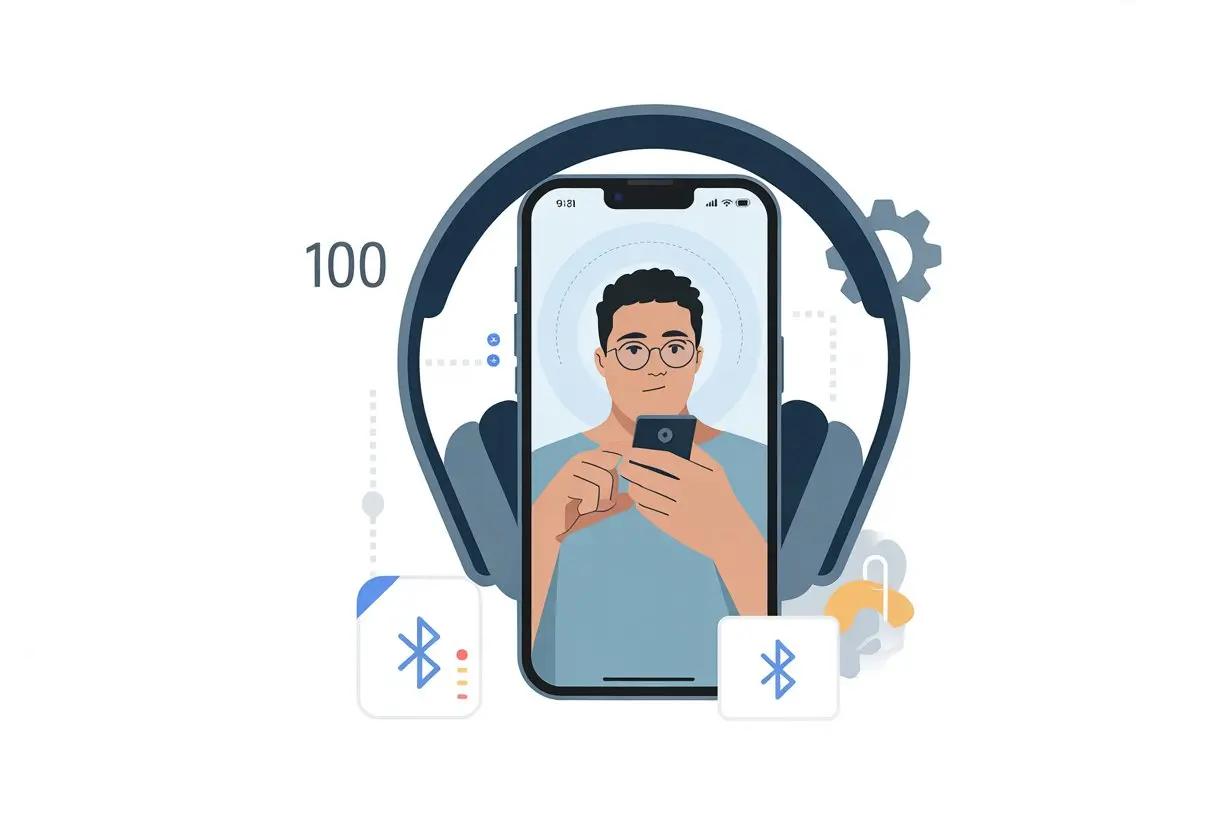
We’ve all been there—getting ready for a cozy music session or an important call, when our trusty Bluetooth headphones suddenly flash the dreaded “error code 100” at us. It’s as if the headphones are hiding something, but honestly, we’re cracking the code right now. Error code 100 usually means something’s gone wrong with the connection or pairing between your headphones and device.
Today’s goal? Keep it simple, maybe even laugh at the ridiculousness, and walk through some easy steps to get our headphones working again. We’re not about to let a random error keep us from our playlists or that show we swore we wouldn’t binge.
Let’s kick error code 100 to the curb, get our Bluetooth headphones in line, and hopefully avoid elevator music for good. Fixing this is easier than you think. No need for a PhD in tech or to start chanting to the Bluetooth gods.
Understanding Bluetooth Headphones Error Code 100
If you’ve ever settled in with your favorite music, only to get interrupted by Error Code 100, you know how annoying it can be. Let’s face it—tech can be confusing, but we’re getting our Bluetooth groove back.
What Is Error Code 100?
Error Code 100 is basically your Bluetooth headphones saying, “Nope, not connecting right now!” It’s like the Bluetooth version of a dropped call—except instead of silence, you get a cryptic error. This usually pops up when your headphones try to pair with a device but hit a snag.
Usually, this error means your headphones and device just aren’t communicating right. It doesn’t spell out the problem, just tells you they’re not getting along. Sometimes it’s a quick fix. Other times, Error Code 100 needs more effort—maybe running a Bluetooth troubleshooter or resetting something, like in this reset guide.
Common Causes of Bluetooth Connection Problems
Bluetooth headphones are fantastic when they work, but so many little things can cause connection headaches. Here are the usual suspects:
Outdated Bluetooth drivers: Sometimes our computer’s Bluetooth software just can’t keep up.
Too many connected devices: Bluetooth gets cranky if you try to pair too many things.
Low battery power: Dead headphones don’t connect well.
Physical obstacles: Walls, metal, even your own body can get in the way.
Pairing mistakes: Wrong device, or your headphones are still clinging to something else—it’s a mess.
Each of these has a fix. Running a Bluetooth troubleshooter or just checking the battery are good places to start.
Identifying Affected Bluetooth Devices
Not every Bluetooth device gets hit with Error Code 100, but headphones seem to be the main drama queens. Big brands, budget earbuds, even some wireless speakers have all thrown this code when they’re being difficult.
If you only see the error with one pair of headphones, chances are the problem lives there. Some laptops or phones with ancient Bluetooth versions act up more, especially if their software is out of date.
Try connecting your headphones to something else. If Error Code 100 shows up again, your headphones might need a firmware update or some TLC. If they work fine, maybe your device is the troublemaker.
Immediate Troubleshooting Steps for Error Code 100
Dealing with Error Code 100 is a pain, but don’t freak out. There are a few quick things you can try, and thankfully, none of them require wizard robes or a magic wand.
Restarting Bluetooth Headphones and Device
Let’s start with the classic: just turn it off and on again. Both the headphones and your device might need a proper restart.
Power off your headphones completely—don’t just let them nap. Hold the power button down for a few seconds so you know they’re really off.
Now, reboot your phone, tablet, or computer. A restart clears out any weird Bluetooth bugs that might be lurking. Once both are back on, try pairing them again.
If this works, you’ll feel like a tech genius. If not, don’t worry—there’s more to try.
Turning Bluetooth On and Off
Don’t ignore the basic Bluetooth toggle. Sometimes, all Bluetooth needs is a quick break.
Go into your device’s settings, find the Bluetooth option, and switch it off. Wait at least 10 seconds (counting “one Mississippi” is optional).
Turn it back on and see if things improve. This can refresh the connection, especially if the last pairing attempt ended in disaster. It’s a common fix in guides like this one from Microsoft.
Re-entering Pairing Mode
If your headphones still won’t play nice, it’s time to put them back into pairing mode. Usually, this means holding down the power or Bluetooth button until the LED starts blinking—sometimes blue and red, sometimes it’s a tiny disco.
Open up the Bluetooth settings on your device and make sure it’s looking for new devices. Put your headphones in pairing mode and look for their name to pop up.
If Error Code 100 shows up again, check that your headphones aren’t already connected to something else. Removing them from your device’s Bluetooth list and re-adding can also help. This gives you a fresh start.
Checking and Updating Bluetooth Drivers
Before you start cursing your headphones, check if your Bluetooth drivers are up to date. Sometimes, hitting a few buttons and letting Windows do its thing is all it takes. If your drivers are ancient or missing, nothing else will work.
Accessing Device Manager on Windows 10 and Windows 11
Start your driver investigation by opening Device Manager. On Windows 10 or 11, hit Windows key + X and pick Device Manager from the menu.
You can also just search for “Device Manager” in the Start menu and click it—no magic required. Once you’re in, look for “Bluetooth” in the list. You might need to click the arrow to expand it, like opening a bag of chips you’ve been eyeing.
You’ll see all Bluetooth devices connected to your computer, including those stubborn headphones.
How to Update Bluetooth Drivers
Now, let’s make sure your Bluetooth driver isn’t stuck in the past. In Device Manager, right-click your Bluetooth adapter or device. It might say “Intel Wireless Bluetooth” or just “Bluetooth Adapter.”
Choose Update driver. Windows will offer to Search automatically for updated driver software—thank goodness for that. If Windows finds something, let it install. If not, you might need to grab the latest driver from your device maker’s website. You’ll find more details and screenshots in the Microsoft Support Bluetooth guide.
Scanning for Hardware Changes
If updating doesn’t help, maybe Device Manager just needs a nudge.
Click the “Action” tab at the top, then select Scan for hardware changes. This makes Windows look for any new or recently fixed devices—think of it as a double-check. Sometimes, this gets Windows to finally notice your Bluetooth hardware and start it up.
If your device appears after the scan, awesome! If not, at least you know you tried.
Resolving Bluetooth Adapter and Services Issues
Fixing Bluetooth headphones can feel like detective work, but the usual suspects are the adapter, background services, or Windows settings. Staying calm (and maybe laughing at Windows’ quirks) definitely helps.
Ensuring the Bluetooth Adapter Is Enabled
First, make sure your Bluetooth adapter isn’t slacking off. If your computer doesn’t have built-in Bluetooth, you’ll need a USB one. To check if it’s enabled, open Device Manager (just search for it on your taskbar).
Under Bluetooth, your adapter shouldn’t be grayed out or have a little error icon.
If something looks off:
Right-click the Bluetooth adapter.
Click Enable if that’s an option.
If it says Disable, your adapter’s already working.
Sometimes, a reboot brings the adapter back to life. If it’s missing, a driver update or reinstall might do the trick. For more details, Microsoft has a troubleshooting guide for Bluetooth adapter issues.
Restarting Bluetooth Support Service
When stubborn Bluetooth errors just won’t quit, it’s time to poke at the Bluetooth Support Service. If this service decides to nap, our headphones simply won’t connect or show up.
To wake it up, hit Windows + R, type services.msc, and press Enter. In the Services window, scroll to Bluetooth Support Service, right-click, and hit Restart.
If it’s not running at all, just click Start instead. For extra peace of mind, double-click it and set the Startup Type to Automatic.
That way, the service gets up and running every time we boot. Sometimes, messing with services makes us feel like our own IT person, but honestly, it’s worth it.
Now, let’s talk about the infamous Action Center—the place for Bluetooth toggles and random notifications. If the Bluetooth icon looks washed out or disappears, Bluetooth is either off or hiding.
To turn it on, click the Action Center button (bottom right, looks like a speech bubble). Find the Bluetooth tile—if it’s blue, Bluetooth is on; if it’s gray, give it a click.
We should also make sure Airplane Mode is off, unless we’re roleplaying as a pilot. These toggles sometimes control more than just Bluetooth, so flipping Bluetooth on here can trigger everything we need—no reboot, no rituals.
There’s more than one way to squash Bluetooth error code 100. Some fixes live right in Windows, and others need a bit more digging (and patience).
Using the Bluetooth Troubleshooter
Let’s start with the classic Bluetooth Troubleshooter. It’s basically Windows’ built-in detective, minus the trench coat.
Head to Settings > Update & Security > Troubleshoot > Additional troubleshooters > Bluetooth and click “Run the troubleshooter.”
Let it do its thing. Windows will scan for problems, maybe even fix stuff automatically. Sometimes it actually helps.
If it doesn’t solve the problem, it’ll at least give us a clue about what’s wrong. The troubleshooter checks for common issues like broken drivers or Bluetooth being off.
If the troubleshooter leaves us stranded, try running Windows Update. Sometimes all our computer needs is a little nudge—or a massive update.
Go to Settings > Update & Security > Windows Update. Click “Check for updates” and install whatever pops up (except maybe that random language pack).
Updates often sneak in important Bluetooth fixes. They patch weird bugs, help our computer talk to our headphones, or just stop it from forgetting they exist.
If Windows can’t help, it’s time to check with whoever made our headphones or computer. Device makers sometimes post their own troubleshooting steps or updated Bluetooth drivers on their websites.
Look for:
Firmware updates for our Bluetooth headphones (yep, headphones get firmware too).
Bluetooth driver updates just for our laptop or USB dongle.
Any step-by-step guides about error 100.
Manufacturers sometimes stash magical solutions in their support pages. For some headsets, a firmware update is the only thing that makes them play nice.
It’s worth poking around the FAQ or support sections for anything related to Bluetooth errors. Always check for model-specific troubleshooting or updates, which are often listed under solutions for Bluetooth connection issues.
Avoiding Signal Interference and Connectivity Goofs
Bluetooth error code 100 can turn a jam session into awkward silence. Keeping our signals clear and device settings in check can really make a difference.
Reducing Bluetooth Signals Interference
Interference is the uninvited guest at the Bluetooth party. We’ve all had headphones start crackling because someone’s microwaving leftovers or there’s a pile of wireless gadgets nearby.
To keep Bluetooth signals steady, keep headphones and devices close together—think “across the table,” not “across the house.” Walls, metal, and even water bottles can mess things up.
Try to keep devices away from Wi-Fi routers or other Bluetooth gadgets. That can help cut down on those annoying audio dropouts.
Updating our headphones’ firmware can help too, since updates often fix bugs that cause interference. If the sound still cuts out, try switching off other wireless devices nearby.
A quick reboot of both devices sometimes clears things up. For more ideas, check out these tips to eliminate Bluetooth interference.
Disabling Airplane Mode
Airplane mode is fine for pretending we’re off the grid, but it’s terrible for Bluetooth headphones. Most devices turn off Bluetooth automatically when airplane mode is on—no warning, just silence.
Double-check that airplane mode isn’t on when troubleshooting Bluetooth. Sometimes toggling it off (and back on, if we’re desperate) gives Bluetooth the green light again.
Some devices let Bluetooth stay on in airplane mode, but we can’t count on it. If music won’t play through the headphones, it’s worth a peek at the settings to make sure airplane mode is off.
Confirming Bluetooth Icon Presence
The little Bluetooth icon is like a wave from our device—it means wireless fun is ready to go. If we can’t see the Bluetooth icon in the status bar or system tray, something’s off.
Start by making sure Bluetooth is actually turned on in the settings. Still no icon? There might be a switch or slider we missed.
If the icon refuses to show up, try restarting the computer or phone, or updating the Bluetooth driver. It’s also smart to check if the headphones are in pairing mode—sometimes the icon only appears when something’s searching.
Without that icon, we might as well be playing air guitar. For more on classic Bluetooth goofs, check these headphone troubleshooting tips.
Preventative Measures to Dodge Error Code 100 in the Future
Nothing’s worse than an error code popping up when we just want to listen to music or take a call. By keeping our Bluetooth headphones up to date and our settings sharp, we can make error code 100 a rare visitor.
Keeping Bluetooth Headphones Firmware Updated
Let’s be real—when was the last time any of us checked for a firmware update on our headphones? Probably never. But those updates often fix bugs that cause errors like code 100.
If our headphones came with an app, let’s use it. Most of these apps have an “Update” button buried somewhere in the settings.
Developers push out fixes to improve stability and compatibility. If we skip updates, we’re basically begging for trouble.
Maybe set a reminder to check for updates every few months. As annoying as it sounds, staying up to date is the fastest way to dodge those weird connectivity issues.
Even if the headphones worked great out of the box, updates really do matter..
Regularly Checking Bluetooth Settings
Bluetooth settings are a bit like socks—they always seem to wander off or get mixed up when we’re not paying attention.
It’s smart to check your device’s Bluetooth settings, especially after a software update or when you’ve added a few too many gadgets.
Go ahead and turn off pairing modes you’re not using. Clear out old devices from the paired list; nobody wants to see a neighbor’s smart fridge show up and mess with things.
When you keep that list neat, your headphones connect with way less hassle.
Make it a habit to check the volume and connection status. Sometimes muted headphones or a dying battery trick us into thinking something’s broken.
Some operating systems let you tweak the volume right from the menu bar, which is honestly pretty handy. As explained here, managing sound settings in the menu can help you avoid those loud surprises.
Let’s give our Bluetooth settings a little attention now and then. That way, we can steer clear of the dreaded code 100 headaches.
Hi, my name is Garrett Jones, and I am a tech enthusiast. I enjoy researching the new tech that has been released, and have a vast knowledge of the best tech to purchase.
From a young age, I have always had a big interest in technology, and this blog is an extension of that interest. Through this blog, I hope to provide others with all of the information they need regarding tech options to consider, and things such as compatibility. Some of the different items I will be discussing include headphones, smartwatches, and how to fix common issues.