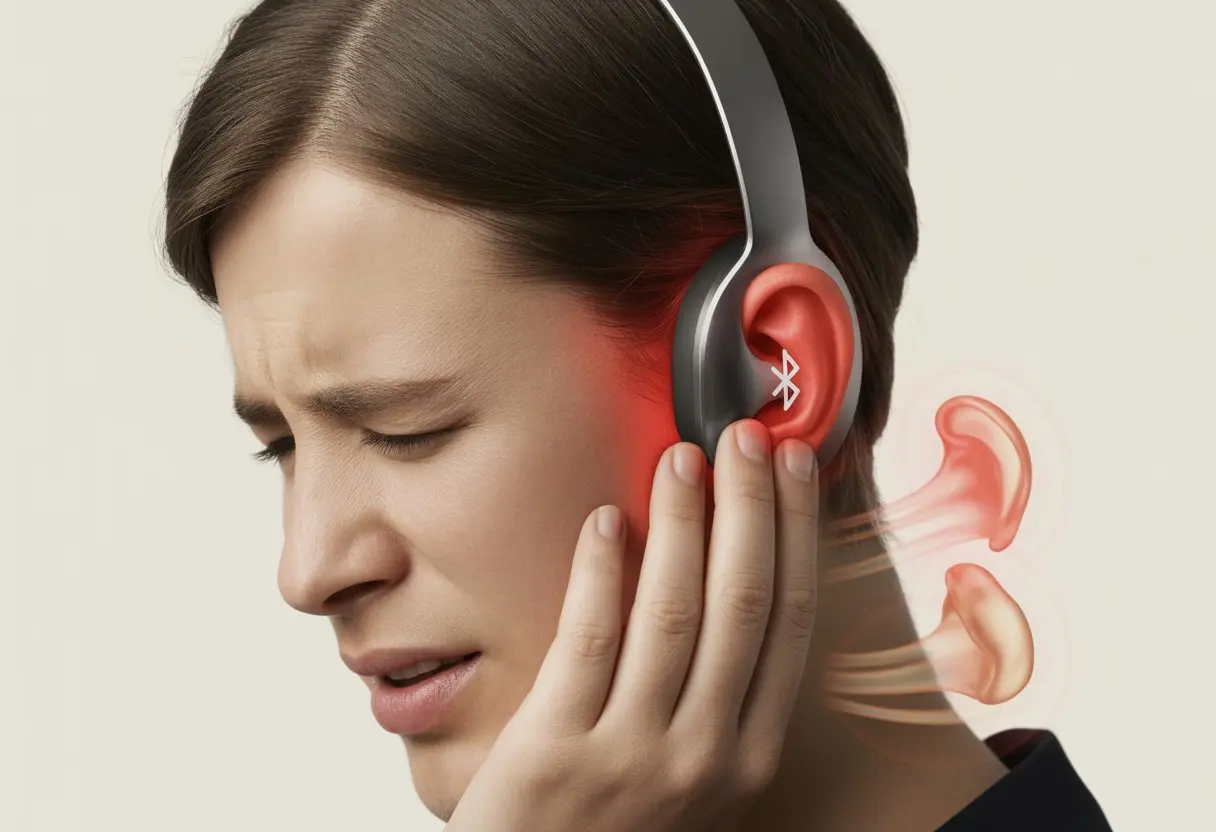
Alright, let’s be real—nothing kills the vibe faster than sore ears from Bluetooth headphones. Maybe you just wanted to enjoy your favorite playlist, a podcast, or that never-ending video call, and suddenly, your ears feel like they’ve been through a wrestling match. Bluetooth headphones hurt our ears because they fit poorly, press too hard, or we just wear them too long—honestly, it happens to more of us than you’d think.
Sometimes, headphones squeeze too tight or the earbuds just aren’t the right size. What should be a comfy escape turns into a weird ear torture.
Other times, we get lost in the music and forget our ears aren’t made of steel. Even ears need a break, right?
Ever wondered why your favorite headphones leave your ears feeling like you just hugged a cactus? You’re not alone. Let’s dig into the real reasons for that annoying ear pain and what, if anything, we can do about it.
Understanding Why Bluetooth Headphones Cause Ear Pain
Honestly, that weird ache from headphones or earbuds can ruin a whole playlist. Usually, it’s our ear shape, the way headphones fit, or how they press against different parts of our ears.
Anatomy of the Ear vs. Headphone Design
Our ears? No two are the same. Some people just have ears that seem custom-built for headphones, and the rest of us… well, not so much.
The ear canal, tragus, and all those little parts don’t always get along with hard plastic or foam. Headphones, especially in-ear models, can jam against sensitive spots. That can leave us sore or even a bit irritated.
Sometimes, headphones vibrate near the eardrum or shove earwax around, and that’s when we get that stinging pain. Add glasses into the mix, and the battle between arms and pads is never-ending.
Bluetooth headphones promise wireless freedom, but sometimes they just trade wires for ear agony. Want to know more about ear canal irritation? Here’s why earbuds can cause pain.
Pressure Points and Ear Shape
Let’s be honest—our ears weren’t designed for headphones. Different shapes mean the pressure isn’t always spread out, and sometimes it’s all in the wrong place.
Over-ear headphones clamp down with a force that can leave red marks, especially if you’ve got a big head, wear earrings, or have glasses. That “clamping force” can lead to listener fatigue, where your ears just get tired of everything.
It’s worth checking if your headphones adjust, and trying out different ear tip sizes if you use in-ears. Softer padding or memory foam helps some people a lot.
But, hey, sometimes there’s just no winning—ask anyone who’s survived a music festival with sore ears.
How Headphones and Earbuds Differ
Headphones and earbuds both hurt, but they do it in their own ways. Earbuds go right into the ear canal, and if they don’t fit, they dig in and push earwax deeper, sometimes irritating the skin.
Over-ear headphones look plush, but they can press down or make your ears sweat. Those big ear cups sit on the outside, and if they’re too tight or heavy, you’ll feel it.
Earbuds cause up-close irritation, while headphones bring the pressure. If you’re curious about why earbuds hurt your ears, you’re not alone. Sometimes, you just want to toss them aside and blast the speakers instead.
Common Causes of Discomfort
Wearing headphones shouldn’t feel like an endurance challenge. But our ears end up sore, itchy, or just plain tired for a few simple reasons.
Fit and Clamping Force
Headphones aren’t one-size-fits-all, no matter what the box says. If the ear cups squeeze too tight or earbuds dig in, you’re pretty much guaranteed discomfort.
Over-ear headphones sometimes clamp down like a piranha. When the pads press on your ears or cartilage, you’ll feel it fast.
If the pain’s inside your ears, the earbuds probably don’t fit—maybe they’re too big, too small, or just not made for human ears. Badly fitting earbuds put pressure on the ear canal and can even cause stinging pain.
Try out different ear tip sizes and look for adjustable headbands or softer cushions. We want comfort, not a battle.
Material Allergies
Sometimes, it’s not the fit—it’s the materials. If you get itching, redness, or a rash, your skin might hate the plastics, silicone, or fake leather in your headphones.
Earbuds with silicone or foam tips can irritate sensitive skin. Over-ear headphones with synthetic covers can trap sweat or trigger reactions.
If your ears get grumpy, try switching to headphones with fabric covers, real leather, or medical-grade silicone tips.
Sound Pressure Levels
It’s not always about what’s touching your ears. Sometimes, it’s what’s blasting into them.
Cranking up the music or listening for too long can make your eardrums tired, or give you listener fatigue. Your ears might ache, ring, or just feel worn out.
Both headphones and earbuds can hurt if you turn them up too high. Over-ear headphones trap sound and heat, making things worse.
Keep the volume safe and take breaks every hour or so. Your ears will thank you, and maybe you’ll stop shouting when you take them off. For more on this, check out these headphone discomfort tips.
Medical Factors Behind Ear Pain
Sometimes, our ears just can’t catch a break. If Bluetooth headphones make you wince, the problem might actually start inside your ears.
Certain medical factors, especially those tied to hearing loss and the delicate cochlea, play a role.
Hearing Loss Risks
Nobody wants their favorite song to be the reason they can’t hear anymore. Listening to loud music for hours can slowly damage the tiny hair cells in our ears.
Those little cells do all the work, but too much noise is like sending them to a never-ending rock concert. Eventually, some just give up.
Extended headphone use can cause “listener fatigue.” If you notice muffled sounds, ringing, or find yourself saying “What?” way too often, you might be seeing the early signs of hearing loss.
Keep the volume safe and take breaks. Otherwise, you might miss out on future gossip or—worse—your favorite tunes. Want the details on how loud noise can cause hearing loss? Here’s a guide on headphone ear pain.
Cochlea and Hair Cell Sensitivity
The cochlea’s that spiral-shaped part inside your ear that turns sounds into signals for your brain. It’s lined with delicate hair cells—think of them as backup dancers keeping the beat.
These little guys bruise easily. Direct, constant pressure from tight headphones can make your cochlea and hair cells cranky.
If you press too hard or blast the volume, hair cells can get damaged or die. Unlike the hair on your head, these don’t grow back.
Even a short session with high volume or tight ear tips can leave you with a dull ache or ringing. Protect your cochlea by picking headphones that fit well and taking breaks.
No one wants to admit they lost hearing because they couldn’t stop listening to that one embarrassing song on repeat. The sensitivity of hair cells and the cochlea is a big reason to go easy on your ears.
Comparing Over-Ear Headphones and Earbuds
Let’s just admit it—our ears want comfort, but not every headphone delivers. Earbuds and over-ear headphones each have their own way of making us happy or miserable.
Pros and Cons for Comfort
Over-ear headphones can feel like plush earmuffs with a soundtrack. Those big cushions sit around your ears, not on them, so the inside bits get a break.
But after a while, those pads heat up your ears, and if the headband’s too tight, you’ll feel the squeeze. Not exactly relaxing.
Earbuds are tiny and easy to carry, but they go straight into the ear canal. If the tips don’t fit, you get poked or squished, and sometimes it feels like a gremlin’s twisting your ear.
Switching tip sizes helps, but it’s not always magic. Earbuds often cause discomfort if the default size just doesn’t work for you.
Over-Ear Headphones
Earbuds
Cushioning
Thick and soft
Minimal
Pressure Points
On head/ear rim
Inside ear canal
Portability
Bulky
Very portable
Which is Safer for Your Ears?
We all love blasting tunes, but safety comes first—unless we want our ears to wave little white flags.
Earbuds shoot sound straight into our ear canal. Even at what seems like a reasonable volume, it’s easy to go overboard and risk hearing loss.
If we like turning up the music to “concert level” at home, earbuds become riskier fast. Loud volumes with earbuds are much more likely to cause damage.
Over-ear headphones aren’t perfect either, but they keep the sound outside the ear. Usually, we don’t need to crank the volume as much to block out noise, so our ears get a little less punishment.
Still, if we blast the volume, we’re not off the hook—any headphone can hurt our hearing if we overdo it. For safety, we’d still give the gold star to over-ear headphones, as long as we keep the volume reasonable.
The Role of Sound Quality in Ear Pain
Listening to music is usually fun, but sometimes, that sweet sound ends with a headache—or even worse, sore ears.
There are a few reasons for this, and some come straight from our favorite audio gear.
Volume and Frequency Effects
If we crank our headphones up to eleven, our ears eventually push back. High volume is a classic culprit behind pain and discomfort.
It’s not only about loudness. Sharp, high-pitched sounds and deep, booming bass can also stress our eardrums.
Too much pressure from sound waves over time leads to symptoms like ringing or muffled hearing. That’s no fun.
Here’s the thing: not all headphone pain comes from loud music. Poor audio quality or distortion makes us want to raise the volume just to catch the details, which only adds to the problem.
According to Miracle Ear, loud noises and improper use both contribute to ear pain. Maybe it’s time to let our inner DJ take a break.
The Case of the AKG Q701
Let’s talk about the AKG Q701. These headphones are famous for their sharp sound quality and big, open design.
But if we wear them too long, ouch. Even fancy headphones with clear sound can become uncomfortable.
The Q701s deliver huge, crisp sound, but they also have a tight fit that presses against our ears. That leads to soreness during long listening sessions.
Because they reveal so much detail, we might notice harsh audio or imperfections in our music that we didn’t hear before. That can push us to mess with volumes or settings even more.
So while we might want to sound like a pro audio engineer, sometimes keeping it simple—and taking breaks—keeps our ears from rebelling.
Tips for Preventing Ear Discomfort
Nobody wants to end up rubbing their ears like a cartoon character after a marathon listening session.
A few small changes can save our ears from pain, pressure, and that awkward soreness that makes us look grumpy at parties.
Small tweaks in what we buy, how we listen, and how headphones fit can make a big difference.
Choosing the Right Headphones
Let’s be honest—one size never fits all when it comes to headphones.
Some types, like earbuds, poke us in all the wrong places. Over-ear models sometimes clamp down like a crab on our heads.
To avoid this pain, we need to pick headphones that match the size and shape of our ears.
If we go with over-ear headphones, softer ear pads and adjustable headbands are our friends.
For in-ear styles, it’s best to use models that come with several ear tip sizes. Softer silicone or memory foam tips also help keep soreness at bay.
A comfort check before we buy is worth the odd stares in the store.
If possible, we should test headphones or read reviews about comfort from people with similar ear shapes. Trust me, our ears will thank us later.
Taking Listening Breaks
Even the comfiest headphones can become ear torture devices after a few hours.
Our poor ears need a break from pressure, humidity, and sound.
Experts suggest taking headphones off every 30-60 minutes for at least five minutes. That gives our ears time to recover their dignity—and their comfort.
During breaks, stretching our jaws or massaging our ears can help boost blood flow and shake off stiffness.
If we’re listening for long periods, scheduling these little breaks keeps discomfort and even temporary hearing changes at bay.
It’s much less embarrassing than fidgeting or flipping one cup off our ear every ten minutes.
Long story short: don’t become one with the headphones.
Let’s set reminders to take them off every now and then, even if our favorite song is on repeat.
Adjusting Fit and Volume
If our headphones squeeze our heads like they’re afraid we’ll escape, we need to adjust them.
Over-ear and on-ear headphones usually have a way to stretch or loosen the band. For in-ears, swapping to a bigger or smaller ear tip can make all the difference.
Too-tight tips cause soreness and too-loose tips make us crank the volume.
Volume matters, too. Listening at high volumes not only bothers our ears but can lead to soreness or even ringing.
Keeping the sound at a safe level cuts both discomfort and long-term hearing damage.
If we’re always messing with our headphones because they never feel right, a fit adjustment session may be in order.
For a quick fix, here’s a handy checklist:
Loosen that headband!
Find the right ear tip size.
Keep the volume at a safe, comfortable level.
Look for extra padding if the cups pinch.
No need for heroics—just a few small tweaks and we can save our ears from mutiny.
When to Seek Professional Help
Even though a little ear discomfort can be normal, sometimes the pain is trying to tell us something important—like, “Hey, maybe put me on the charger and give your head a break!”
Let’s go over the signs that mean we need to slow down and listen to our ears (instead of just using them for music), and what to actually do when turning down the volume just isn’t cutting it.
Signs Your Ears Need a Break
If our Bluetooth headphones leave ears aching, ringing, or feeling full—even after we take them off—our bodies are giving us a big, awkward hint.
Common warning signs include:
Persistent pain: If we still feel soreness or a stinging sensation after a couple hours, our ears are saying nope.
Ringing (tinnitus): That high-pitched chorus isn’t just part of our playlist.
Muffled hearing: Sounds seem dull, as if we have cotton in our ears.
Visible redness or swelling: If our ears look as red as a cartoon tomato, it’s not a fashion statement.
If we notice any loss of hearing or if ear pain keeps coming back, it’s time to stop testing if our heads can double as headphone stands.
Ignoring regular discomfort can increase the risk of hearing loss.
Consulting an Audiologist
If the pain sticks around or our hearing feels off for more than 24 hours, let’s just pause the next episode of our podcast and call an audiologist. Honestly, it’s better to get it checked than keep wondering.
These friendly professionals can do a lot for us:
They check for infections, earwax buildup, or whatever else might be causing pain.
They use some pretty fancy equipment (no Bluetooth, thankfully) to test our hearing.
They share tips about getting the right fit and listening safely—no lectures, just real advice.
If we notice things like loud ringing, sudden hearing loss, or dizziness, it makes sense to seek medical help right away. Audiologists can help us figure out if our symptoms are just from blasting our favorite playlist, or if there’s something more serious going on.
No need to guess—let them unravel the mystery inside our ears!
Hi, my name is Garrett Jones, and I am a tech enthusiast. I enjoy researching the new tech that has been released, and have a vast knowledge of the best tech to purchase.
From a young age, I have always had a big interest in technology, and this blog is an extension of that interest. Through this blog, I hope to provide others with all of the information they need regarding tech options to consider, and things such as compatibility. Some of the different items I will be discussing include headphones, smartwatches, and how to fix common issues.