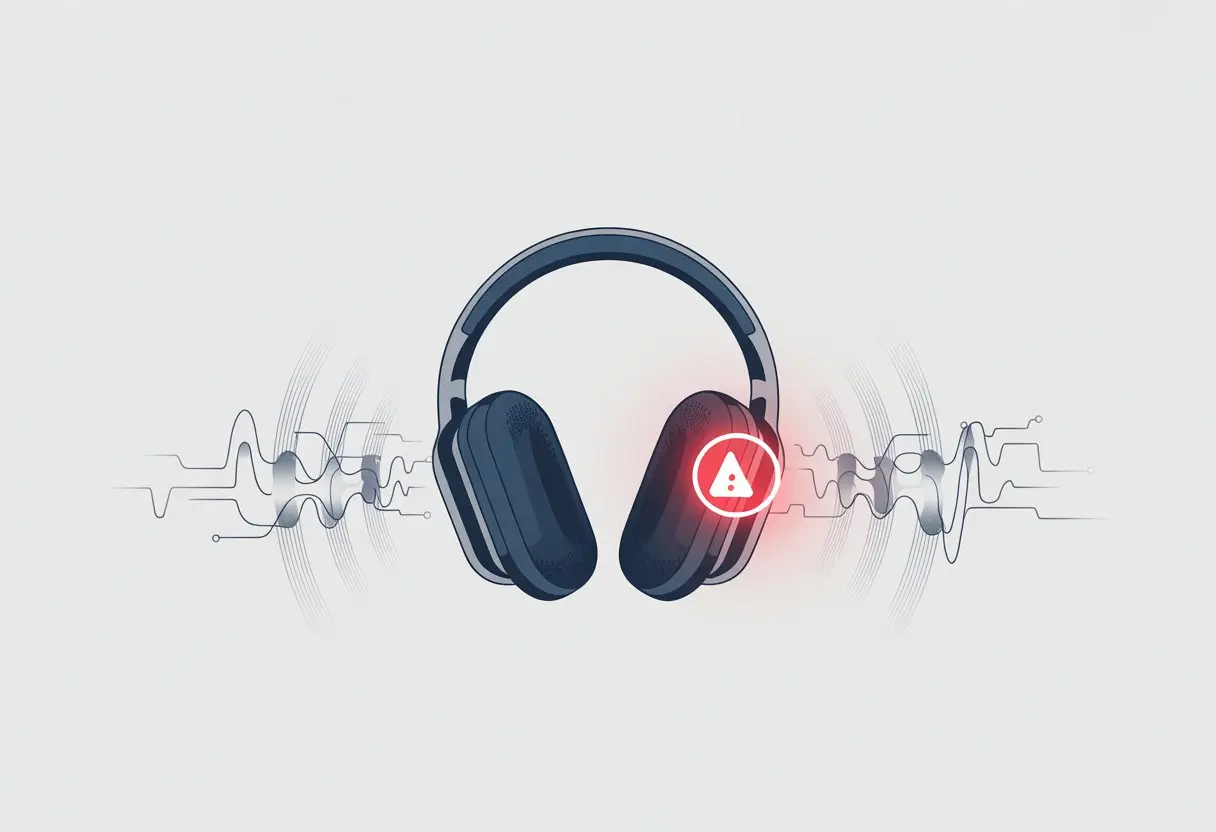
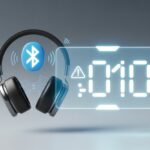
Let’s be real—Bluetooth headphones should make everything smoother, not give us fresh reasons to mutter at our screens. Few things test our patience like that dreaded “error code 003” showing up right when we’re about to vibe out or hop on a call.
Error code 003 on Bluetooth headphones usually means your headphones can’t connect to your device, often thanks to a driver problem or a cranky Bluetooth adapter.
We’ve all been there: one minute we’re nodding along, then suddenly, silence. Before we start cursing the universe, let’s actually figure out what this sneaky error code 003 is about so we can get back to our favorite playlists.
We’ll break it down, maybe laugh a bit, and hopefully kick those error messages out of our lives.
What Does Bluetooth Headphones Error Code 003 Mean?
If your Bluetooth headphones suddenly flash “Error Code 003,” you’ve officially entered the land of annoying tech problems. This doesn’t mean your headphones are possessed, but it does mean something’s off between your device and your headphones.
Quick Overview of Bluetooth Headphones Errors
Bluetooth headphones can run into all kinds of issues, from the classic “dead silence” to the less-loved “Error Code 003.” Usually, these problems mean there’s a hiccup somewhere between your headphones and the gadget you’re trying to pair with.
Error Code 003 usually pops up when your headphones try to connect but fail. Cue the eye roll and the dramatic sigh. Most of the time, these errors come from driver issues, old software, or settings that just won’t cooperate.
A lot of us have seen “Driver Error” or connection timeouts. It’s like your headphones are saying, “Nope, I’m done. Try turning everything off and on again.” When Error Code 003 shows up, you’ll want to check your Bluetooth settings—and maybe your patience, too. For more help, check out this guide on Bluetooth errors.
Common Causes of Error Code 003
Let’s be honest—Bluetooth problems can be as unpredictable as a cat at 3 a.m. Error Code 003 usually happens because your Bluetooth driver is acting up. It might be outdated, corrupt, or just moody.
Sometimes, your headphones need a firmware update, which they never exactly ask for nicely. Your device’s Bluetooth can also be disabled or just plain stubborn. Interference from other wireless stuff can mess things up, too.
Occasionally, your headphones and device just refuse to get along. Un-pairing and re-pairing them (like sitcom characters after an argument) can help.
Most of the time, it comes down to drivers, software updates, or settings that need a little nudge. Running the Bluetooth troubleshooter or rolling back your Bluetooth driver often works. Here’s a step-by-step guide to fixing Bluetooth driver errors if you want to dive deeper.
If nothing else works, just restart your devices and cross your fingers.
Diagnosing Error Code 003 on Bluetooth Headphones
When error code 003 shows up on your Bluetooth headphones, your device is usually struggling to connect or update. Before you toss your headphones across the room, let’s walk through what to check—from wireless connections to those mysterious settings on your laptop.
Checking Bluetooth Connection Problems
Bluetooth headphones can be finicky. If they’re unhappy with the connection, they’ll flash error code 003 and refuse to cooperate.
Sometimes, the biggest culprit is a weak signal. Make sure your headphones are close to your device—they’re not fans of long-distance.
Try turning Bluetooth off and on again. Restart both your phone and your headphones. If that doesn’t help, you might have too many devices fighting for attention. Disconnect extra paired Bluetooth devices to cut down the chaos.
Here’s a quick checklist:
Turn Bluetooth off, then on again
Restart both headphones and your audio source
Move your headphones closer to your device
Disconnect any extra Bluetooth devices
If the error sticks around, maybe your headphones aren’t playing nice with your current Wi-Fi or network. This can be a real headache during software updates, sometimes causing those stubborn error 003 messages.
Identifying Bluetooth Devices Involved
When you’ve got a bunch of Bluetooth gadgets nearby, confusion happens. Sometimes your headphones connect to the wrong device, or worse, your neighbor’s smart fridge.
Open the Bluetooth settings on your phone, tablet, or computer and look for your headphones in the list. Make sure they show up under the right name.
If they’re missing or show up as “Unknown Device,” unpair and pair them again.
Some devices let you forget a connection, which gives you a clean slate. It’s a bit like hitting reset on a friendship after an awkward party moment.
Using Device Manager on Your Computer
On Windows, Device Manager can help you spot what’s making your headphones throw error code 003. Press Win+X and pick “Device Manager.” Find Bluetooth in the list.
Your headphones should show up as their brand and model. If they’re under “Unknown” or have a yellow warning sign, something’s wrong—maybe the driver is missing, old, or corrupted.
Here’s what you can try:
Right-click the device and select Update driver
If that doesn’t fix it, uninstall and restart your computer (Windows will try to reinstall the driver)
Check for Windows updates, since they sometimes include new drivers
If Device Manager still shows your headphones as “unknown,” you’ll find more fixes in this guide.
Sometimes, computers just need a little push to recognize your favorite Bluetooth gadgets!
How to Fix Error Code 003 on Bluetooth Headphones
Fixing Error Code 003 isn’t a secret mission—it’s mostly about basic troubleshooting. If you want your music back, you’ll need to restart, reset, and show your Bluetooth drivers some love.
Restarting Devices and Switching Airplane Mode
Don’t underestimate the magic of turning things off and on again. Restart your headphones and the device you’re connecting to.
Unplug or power off the headphones, then restart your phone, tablet, or computer. Once everything’s back on, try reconnecting.
Feeling adventurous? Flip airplane mode on for about 30 seconds, then turn it off. This resets all wireless features, including Bluetooth. Sometimes, that’s all it takes to clear up error codes and get your music back.
Resetting Bluetooth Settings and Pairing Mode
If Error Code 003 still won’t leave, dive into the Bluetooth settings. Remove the headphones from your list of paired devices. Usually, you just select the device and hit “Forget” or “Remove.”
Before you rush to pair again, reset the headphones. Most models want you to hold down the power button for 10-15 seconds. The lights usually flash to say, “I’m starting over!” If you need help, check out Remove and Replace’s guide.
Old Bluetooth drivers love to cause weird errors. Open Device Manager on your Windows PC or update Bluetooth settings through your device’s menu.
If you see your headphones listed, right-click and pick “Update driver.” If that doesn’t work, uninstall and reinstall the Bluetooth adapter for a fresh start.
If you use a Bluetooth dongle, unplug it and plug it back in after a reboot. That can help too (The Windows Club).
Don’t forget about the headphone companion app. Many brands send important firmware updates through their apps, and missing one can leave you with nothing but silence. Check the app store for updates, or reinstall the app if it’s acting weird.
Ensuring a Reliable Bluetooth Connection
We’ve all had those moments: headphones blinking, our phones searching in vain, and us wondering if we even turned Bluetooth on. Knowing which Bluetooth version you’re using and picking the right adapter or accessory can make all the difference.
Understanding Bluetooth 5 and Other Versions
Bluetooth has had more updates than some apps on our phones. Bluetooth 5 offers faster speeds, longer range, and stronger connections than older versions like 4.2 or 4.0.
If your headphones and device both use Bluetooth 5, you’ll probably have fewer drops and less lag.
But sometimes, your gear doesn’t match. If you connect Bluetooth 5 headphones to an older phone, you get slower speeds and shorter range. Compatibility is backward, but you only get the slowest features.
You’ll want to check your headphones and your phone (or laptop) specs before blaming your playlist for skipping.
Here’s a quick chart:
Bluetooth Version
Max Range
Speed
Best Use
5.0 and above
~240 meters
Faster
Headphones, speakers
4.2
~60 meters
Moderate
Basic audio, keyboards
4.0
~60 meters
Basic
Older accessories
Dealing with Bluetooth Adapters and Accessories
Sometimes, your device just doesn’t have Bluetooth. That’s when adapters come to the rescue—plug them into USB ports or headphone jacks and boom, you’ve got wireless.
Not all adapters are created equal, though. If you pick a weak one, you’ll end up with connection headaches and error codes.
When shopping for a Bluetooth adapter, look for one that supports at least Bluetooth 5. You’ll get better range and fewer interruptions. Newer adapters usually play nicer with the latest accessories, too.
If your Bluetooth headphones still won’t connect, check if your adapter’s driver is up to date. An outdated or broken Bluetooth driver can ruin everything. Updating or reinstalling the driver can get you back to wireless freedom.
Advanced Troubleshooting for Persistent Issues
When error code 003 just won’t quit, it’s time to dig deeper. Some settings and audio tweaks might be the fix you’ve been missing.
Let’s roll up our sleeves and see if we can finally get that crystal-clear sound.
Inspecting Media Player and HD Audio Settings
First step: let’s tame the wild beast that is our media player. Some media players come with their own weird quirks, honestly. If our music app uses an unsupported format, our Bluetooth headphones might just throw a tantrum and hit us with that annoying error.
We should check our app’s output format and switch to something friendly—usually “Stereo” or “HD Audio,” if we have the option.
Now, onto the HD Audio settings. Windows users, you probably spot those tiny speaker icons in the corner of your screen all the time. Right-click and open “Sounds,” then pick our Bluetooth headphones under Playback.
Double check that the default format actually matches what our headphones support. Higher isn’t always better here!
It’s usually smart to disable enhancements, since those sound boosters sometimes just mess everything up. If nothing else works, try toggling these options off and on—a silly trick, but it sometimes brings stubborn audio back to life.
Now, let’s play DJ for a minute. A weird equalizer setting can mess with our headphones and cause errors or just make things sound off.
Start with a flat EQ profile to test. If things sound better, or that error code disappears, one of those boosted frequencies was probably the culprit.
When messing with the equalizer, go slow. Change one frequency at a time.
If you love bass, maybe just ease up on the lower bands a bit—your headphones might thank you. Some apps have a reset button for EQ, so don’t feel bad about using it to undo a mess.
If issues stick around, check if your app or system lets you disable the equalizer entirely. Flip it off and see if pure, unfiltered audio fixes things.
If it finally works, then you can go back and fine-tune the EQ until it sounds just right.
Here’s a quick checklist for EQ troubleshooting:
Problem
What to Try
Distorted sound
Lower bass/highs boost
Muffled audio
Reset to flat profile
Persistent error
Disable EQ completely
Preventing Future Bluetooth Headphone Errors
If we want to dodge random beeps and error codes haunting our Bluetooth headphones, we need to pay attention to our settings and keep things updated. A few good habits can save us from endless troubleshooting and those awkward moments on calls.
Proper Bluetooth Pairing and Maintenance Tips
Let’s be real: we’ve all panicked when our headphones refused to connect. To avoid these Bluetooth headaches, always make sure Bluetooth is turned on—on both the headphones and the device we’re pairing with.
Sometimes, the fix is as easy as toggling Bluetooth off and on, or just restarting our gadgets.
When pairing, check that our headphones are actually in pairing mode. If the light’s not flashing, they’re just ignoring us.
Don’t crowd the airwaves—disable Bluetooth on old devices we’re not using, since signal confusion can mess things up.
It’s smart to “forget” or remove old Bluetooth headphones from device lists and start fresh, especially if they start acting up. A quick peek in Device Manager now and then doesn’t hurt, especially for updating drivers or trying out troubleshooting tools.
We all know updates are kind of the broccoli of tech—never exciting, but necessary. Keeping our Bluetooth headphones’ firmware up to date can actually make a big difference.
Manufacturers push out updates to fix bugs and connection glitches, and skipping them just leaves us with more error codes than anyone wants.
To check for firmware updates, visit your headphone maker’s website or use their app if they have one. Plugging in the headphones and letting them update is a lot less painful than fighting with pairing failures.
Don’t forget our computers and phones need updates too. Keeping the device’s Bluetooth drivers fresh helps avoid problems.
Windows users can dig into Bluetooth driver issues if things go off the rails. A little tech hygiene now saves a lot of headaches later.
When to Seek Professional Help for Error Code 003
Let’s be honest, sometimes our Bluetooth headphones just won’t cooperate. When Error Code 003 refuses to budge after all our DIY tricks, it’s probably time to call in the pros or maybe just switch to a brand-new pair.
Contacting Manufacturer Support
If Error Code 003 keeps popping up, reaching out to the manufacturer’s support team is probably our best move. They know all the secret fixes (and, yeah, they wrote the manual).
Most brands offer chat, email, or even phone support—just don’t expect miracles, but they usually help.
Before reaching out, it helps to reboot the headphones, update the Bluetooth firmware, and make sure our device isn’t just muted. It happens to the best of us.
Having our purchase info and warranty details ready can save time.
Support might walk us through a few more troubleshooting steps. If those don’t work, they’ll probably suggest sending the headphones in for repair or setting up a warranty replacement.
The upside? We get official help, and maybe even a working pair at the end.
Considering Replacement Options
When Error Code 003 just won’t quit, maybe it’s time to start thinking about a new pair of headphones. If your model’s ancient, the warranty’s long gone, or repairs cost as much as a fancy dinner, buying fresh ones usually feels like the smarter move.
Take a look at features—battery life, Bluetooth version, build quality. You don’t want to end up with some shiny headphones that only look cool but never leave your gym bag.
Check out some reviews, too. Make sure your new headphones actually get along with your devices. Some brands love their little “ecosystems,” and suddenly you’re stuck on the outside looking in.
Remember to recycle or toss out your old headphones the right way. If they still work, stash them as a backup—kind of like a spare tire for your playlists.
And hey, if Error Code 003 pops up on the new ones, maybe your phone’s the real troublemaker.
Hi, my name is Garrett Jones, and I am a tech enthusiast. I enjoy researching the new tech that has been released, and have a vast knowledge of the best tech to purchase.
From a young age, I have always had a big interest in technology, and this blog is an extension of that interest. Through this blog, I hope to provide others with all of the information they need regarding tech options to consider, and things such as compatibility. Some of the different items I will be discussing include headphones, smartwatches, and how to fix common issues.