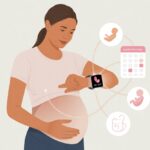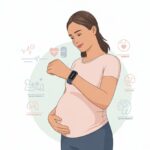
Let’s be real—our fitness trackers can count every step and even buzz when we sit too long, but once we’re expecting, they suddenly act like pregnancy isn’t even on their radar. Most fitness trackers don’t track pregnancy because the designers just didn’t include pregnancy-specific features or settings.
We end up juggling doctor visits and symptom charts, but our fancy wrist gadget barely blinks at the big news.
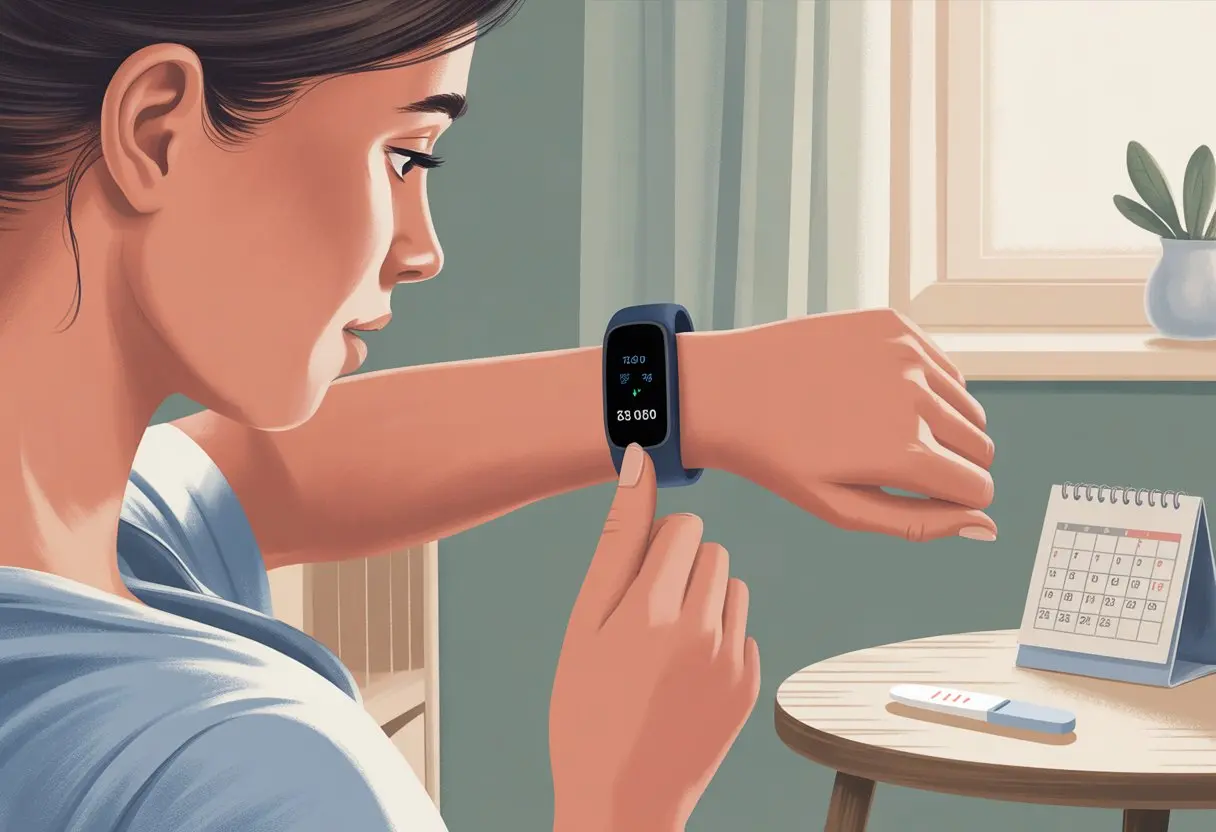
So, why do our trackers ignore pregnancy? Manufacturers seem better at tracking our sleep than keeping up with pregnancy milestones. Some apps, like Garmin Connect, do have basic pregnancy tracking, but big names like Fitbit and Apple still don’t offer much, leaving us feeling like fitness tracking still believes the stork brings the baby.
If you’re staring at your stats and wondering if pregnancy made you invisible, you’re definitely not alone. Grab a snack (or two, honestly) and let’s see why our trackers can’t keep up and what we can actually do about it.
How Fitness Trackers Approach Pregnancy
Pregnancy throws a curveball at our usual fitness tracking routine, but most fitness trackers treat it like a surprise twist, not a built-in feature. We usually find out pretty fast that tracking a baby bump isn’t as easy as counting steps.
General Pregnancy Tracking Limitations
Most fitness trackers nail step counts and heartbeats, but pregnancy leaves them stumped. Devices often ignore shifts in weight, heart rate, or sleep that come with pregnancy. Our trackers might flag extra bathroom trips at night as weird, instead of just another part of growing a baby.
Apps usually focus on periods and ovulation but barely touch pregnancy tracking. We end up taking extra steps or using workarounds, like logging pregnancy info in menstrual cycle settings or pretending pregnancy is some other workout. Even then, the data can be limited or just plain confusing.
Why Pregnancy Data Is Not Standard in Wearables
Fitness trackers use a one-size-fits-most approach, but pregnancy changes everything. To include pregnancy health data, brands would need to gather way more sensitive info and constantly tweak algorithms for every trimester.
Legal concerns and health liability scare companies off. Most stick to basic health tracking instead of risking a medical mess. Since pregnancy health varies so much, it’s tough for a tracker to give advice that fits everyone.
Differences Between Brands
Not all trackers treat pregnancy the same, and sometimes it feels like “Whose Tracker Is It Anyway?”
With the Apple Watch, we can use Cycle Tracking to log pregnancy, which at least gives us a spot for symptoms and dates. Still, it’s nowhere near full-featured pregnancy health tracking.
Fitbit lets us tweak settings through the female health tracking feature, but it’s basic. It’s like adding a pinch of salt to plain oatmeal—not quite what we’re hoping for.
Some brands don’t have pregnancy tracking at all, or hide it so well it feels like an Easter egg. There’s still a long way to go before trackers celebrate pregnancy milestones like they do 10,000 steps.
Common Reasons Your Fitness Tracker Misses Pregnancy
Sometimes our trusty fitness trackers seem completely clueless about pregnancy, even though they know our every step and late-night snack. Whether it’s missing key stats or ignoring obvious changes, there are a few big reasons this happens.
Lack of Built-In Pregnancy Features
Truth is, most fitness trackers are built for “average” users, which usually doesn’t mean “pregnant.” Brands focus on steps, heart rate, and calories, but forget about pregnancy tracking entirely. Some devices have a women’s health or menstrual tracker, but leave out pregnancy settings, which makes our trackers feel stuck in denial.
If a device doesn’t support pregnancy, it won’t adjust stats or recommendations for our new reality. We might get weird health advice or see our training status drop, since pregnancy changes like increased heart rate can throw the tracker off. Garmin recently added pregnancy support, but lots of brands still lag behind. If our tracker’s stuck in the past, it won’t recognize we’re carrying a future soccer player.
Device Settings Overlooked
Some fitness trackers actually let us log pregnancy—but only if we dig through settings like we’re on a treasure hunt. These options might hide in menstrual cycle settings, or need to be switched on like an exercise mode.
If we miss this, our tracker will just keep using regular health stats and pretend nothing changed. It won’t update cycles, predict symptoms, or track gestational age. Forgetting to turn on pregnancy tracking is pretty common. Apple Support, for example, says we have to log a pregnancy before the device starts counting properly.
User Profile and Gender Mismatches
We’ve all rushed through setup, only to realize our gender is “prefer not to say” and our age is “seven.” Wrong profile details cause a lot of missed women’s health features, especially pregnancy tracking.
If our profile isn’t set to “female” or the right age, most trackers won’t even offer cycle tracking, let alone pregnancy. Devices just keep assuming we’re tired, not growing a human. Double-checking profile settings fixes a surprising number of odd health recommendations and helps the tracker start tracking pregnancy milestones.
App Version or Software Issues
We all ignore those “update now” pop-ups, but running old software means missing out on new features. Pregnancy tracking often pops up in newer versions of health apps. If we haven’t updated our app or device firmware, it might never know about pregnancy.
Software bugs can also make features disappear or act weird, making it impossible to find health stats settings for pregnancy. Reinstalling the app or updating usually does the trick, letting us finally track pregnancy alongside steps, sleep, and cravings. For example, Garmin’s pregnancy tracking needs recent software to work.
Manual vs Automatic Pregnancy Tracking
Some fitness trackers can help us keep tabs on pregnancy, but the options and accuracy really vary. Turns out, tracking a baby bump takes more than a step counter and a good attitude.
What Manual Tracking Offers
Manual pregnancy tracking means we have to actually tell our devices what’s happening. Most of the time, we log symptoms, weight changes, or due dates by hand.
Some platforms, like the Apple Health app, let us log a pregnancy and track symptoms, so we don’t have to guess gestational age when a craving for pickles hits.
Manual input lets us:
- Add notes about mood swings (and snack attacks)
- Record appointments and milestones
We get control. We decide what gets logged, and nothing slips through the cracks just because our watch thinks we’re doing jumping jacks when we’re actually fighting nausea.
Limits of Automated Tracking Algorithms
Automated fitness tracking relies on sneaky algorithms and sensors that try to figure out what’s happening inside our bodies without asking us anything. That works for counting steps, but pregnancy is a whole different ball game.
Most fitness trackers—looking at you, Fitbit—don’t offer pregnancy-specific settings. Our devices may notice when our heart rate changes or our sleep needs shift, but they’re not smart enough (yet) to know we’re pregnant unless we spell it out for them.
Automated tracking can get confused by all the changes pregnancy causes. Swollen ankles? It just assumes we’ve skipped leg day. Nausea? That’s not even on its radar. Until wearable tech catches up, we’re better off giving it a little help.
Health Metrics That Matter During Pregnancy
Tracking our health during pregnancy feels like solving a mystery with a fitness tracker as our clueless sidekick. The device might not know exactly what’s happening, but we can still keep an eye on the big changes ourselves.
Tracking Heart Rate Changes
Pregnancy keeps our hearts working overtime. As blood volume goes up, our resting heart rate usually rises too. Most fitness trackers will notice our heart working harder, but the numbers probably won’t drop until after baby arrives.
If our tracker seems dramatic about our heart rate, don’t panic. It doesn’t mean we’re running a marathon in our sleep—it’s just our body handling extra work. Some trackers even question our fitness level, but it’s just the biology of pregnancy. Anyone with heart issues or health concerns should check with a doctor, since trackers aren’t medical devices.
Monitoring Weight Gain and Gestational Age
Our fitness trackers might know when we skip leg day, but they’re usually clueless about healthy pregnancy weight gain. Most apps ignore this unless we’re lucky enough to find one with pregnancy modes. If we want more tailored features, some devices, like Garmin Connect, now offer pregnancy tracking tools.
Doctors recommend steady weight gain based on gestational age, which just means how far along we are. Standard trackers can’t tell if we’re growing a baby or just had an extra dessert. For best results, we should log our pregnancy into a supported app or track gestational age with cycle tracking, so our health info actually makes sense (and maybe the dessert guilt fades a bit).
Nutrition and Calorie Intake: What Your Tracker Can (and Can’t) Do
When it comes to pregnancy, our fitness trackers can be about as useful as a chocolate teapot. Tracking nutrition and calorie intake gets tricky because pregnancy tosses “one-size-fits-all” tracking out the window.
Limitations on Nutrition Information During Pregnancy
Most fitness apps and trackers act like we turn into unicorns during pregnancy—rare, mysterious, and apparently needing a special diet plan. If we try logging meals or snacks, many apps don’t adjust nutrition goals for pregnancy and just stick to generic calorie recommendations.
A lot of fitness trackers can’t keep up with changing calorie and nutrition needs. For example, Ovia lets us track food and water but not actual calorie counts, making it hard to know if we’re eating enough for both us and baby. Some apps ignore pregnancy completely, treating us like we’re just having an epic snack phase and forgetting about things like folic acid or iron. This leaves us guessing—or Googling—way more than we’d like.
Calorie and Macronutrient Guidance
During pregnancy, we don’t just need more calories—we need the right kinds of calories. A handful of fitness trackers claim to offer pregnancy tracking, but most don’t really give us solid advice on how to balance carbs, protein, and fat.
Usually, they just set daily targets based on age, weight, and activity. They don’t really care that we’re literally building a tiny human.
Even the trackers that try to help don’t go very deep. Sometimes they just tell us to eat more or less, or suggest talking to our doctor. Specialized pregnancy apps like Fittur focus more on nutrients for pregnancy and breastfeeding, but honestly, that’s still pretty rare.
We can’t expect our tracker to turn into a nutritionist just because we hit the “pregnant” button. For real advice, nothing beats an old-school conversation with our healthcare provider.
Symptoms That Trackers Often Miss
Fitness trackers are awesome at counting steps and logging heart rates, but they just can’t keep up with all the wild things pregnancy throws at us.
A lot of symptoms slip through the cracks. Sometimes, it makes you wish for less math and more empathy.
Unique Pregnancy Symptoms Untracked
Pregnancy does some magical—and sometimes weird—things to our bodies. Our trackers know when we skip a workout, but they miss morning sickness, food aversions, or the sudden urge to nap at 3 PM.
Most trackers just aren’t built for the real pregnancy experience. They don’t notice those aches in places we didn’t know could ache.
Even with pregnancy tracking features, it’s usually just due dates or weight gain. They miss the parade of odd symptoms like swollen ankles, heartburn, or that so-called “pregnancy glow” (which, let’s be real, is mostly sweat and oil).
If we want to remember our superpowers, we usually have to write them down ourselves. Sometimes, dramatic storytelling to friends works just as well.
Missing out on Emotional Symptoms
Hormones go wild during pregnancy, and fitness trackers just pretend not to notice.
They’re obsessed with heart rates and steps, but ignore mood swings, anxiety, and all those emotional rollercoasters. No graph tracks “cried over a puppy commercial” or “laughed so hard the baby kicked.”
Some apps now offer basic mood tracking, but it’s not nearly enough. Emotional symptoms matter just as much as physical ones, but tech hasn’t learned to spot the difference between “sleeping” and “crying into a pillow.”
The Elusive Baby Movement
Feeling the baby kick is one of those unforgettable moments in pregnancy. Good luck finding a fitness tracker that even tries to track it.
We end up jotting down kick times in a notebook or using an app made just for that. Trackers today can’t sense those little thumps, flutters, or hiccups.
Imagine if your watch buzzed every time the baby did a backflip—now that would be something. For now, we just rely on our own memory and instincts.
It’s wild that something so important is invisible to our digital gadgets.
Pregnancy Updates and Data You’ll Have to Track Yourself
Fitness trackers are smart, but pregnancy throws them for a loop. For some things—like tracking baby size or keeping an eye on blood sugar—we still have to do it ourselves.
Weekly Pregnancy Progress Updates
When it comes to weekly milestones, we’re pretty much on our own. Fitness trackers can’t tell us if our baby is the size of a lemon this week or remind us about that second-trimester ultrasound.
We end up checking an app, calling the doctor, or just marking it on a calendar.
Here’s a simple way to keep weekly progress organized:
| Week | Baby Size | Doctor Appointments? | Major Symptoms |
|---|---|---|---|
| 10 | Strawberry | Prenatal Checkup | Nausea, fatigue |
| 16 | Avocado | Genetic screening | More energy, hunger |
| 20 | Banana | Anatomy scan | Baby kicks! |
If our tracker congratulates us for running up the stairs, we just laugh and go back to our own notes. Still no fetal movement logging—maybe one day.
Blood Glucose and Specialized Readings
Our trusty wearable can handle steps and heart rate, but blood glucose? That’s a whole different story.
If our doctor wants us to watch blood sugar, especially with gestational diabetes, we need a separate glucometer. Some smart devices let us link the readings to an app, but the wrist tracker can’t do it alone.
Don’t even get me started on iron or hormone levels. That’s still lab territory, not something our watch can handle.
Future of Pregnancy Tracking in Fitness Tech
Pregnancy tracking in fitness tech is finally getting interesting. It’s not just about logging steps with swollen ankles anymore—real upgrades are coming, and it feels like companies are finally listening.
Upcoming Features in Wearables
Fitness trackers can do almost everything these days—except maybe find our lost keys. Pregnancy tracking features are finally starting to catch up.
Brands are rolling out updates that include pregnancy-specific data like trimester progress, symptoms, and even fetal movement tracking. Soon, we might see tools for kick counts and regular maternal health reminders right on our wrists.
Some devices, like Garmin, now offer dedicated pregnancy tracking tools. We can log weight changes, symptoms, and hydration needs. There’s even talk about smart clothing with sensors for continuous monitoring. Take that, maternity leggings!
Here’s a quick peek at what’s popping up:
- Weekly baby size updates
- Symptom checklists
- Medication and vitamin reminders
- Sleep tracking that actually accounts for pregnancy
If only our trackers could stop those midnight fridge raids.
User Feedback and Innovations
Let’s be honest; we all groan when our fitness app tells us to run five miles at week thirty. Traditional activity trackers just don’t get what pregnancy feels like day-to-day, and users have definitely let developers know.
Now, developers seem to be finally listening to real user needs. People have asked for features like “skip step goal today; survived heartburn instead” or “track mood swings.” Sounds wild, right? But honestly, they’re giving it a shot.
Apps have started to focus more on wellness and set activity targets that actually make sense for expectant parents. That’s a big step forward.
We’re also seeing better ways to share data with our medical teams. A few apps let us send pregnancy info straight to our doctors, which is way better than juggling sticky notes.
Curious about how smart devices might change maternity care? Check out the rise of pregnancy wearables and apps.
Slowly, our trackers are figuring out that pregnancy isn’t just another training plan. And honestly, that feels like real progress.

From a young age, I have always had a big interest in technology, and this blog is an extension of that interest. Through this blog, I hope to provide others with all of the information they need regarding tech options to consider, and things such as compatibility. Some of the different items I will be discussing include headphones, smartwatches, and how to fix common issues.
- How to Get Text Messages on Fitbit Versa 2 Android: Simple Guide for Users - October 13, 2026
- Why Doesn’t My Fitbit Record My Sleep? Quick Troubleshooting Guide - October 13, 2026
- How to Change Face on Fitbit Versa 2: Quick and Easy Guide - October 12, 2026
Related Posts: