Let’s be real—meditating gets tough when your neighbor’s dog thinks it’s auditioning for an opera. That’s why I love Bluetooth headphones. They’re my go-to for blocking out the world’s worst background noise.
Just pair your Bluetooth headphones with your favorite calming app or playlist, slip them on, and let those peaceful sounds drown out the chaos.
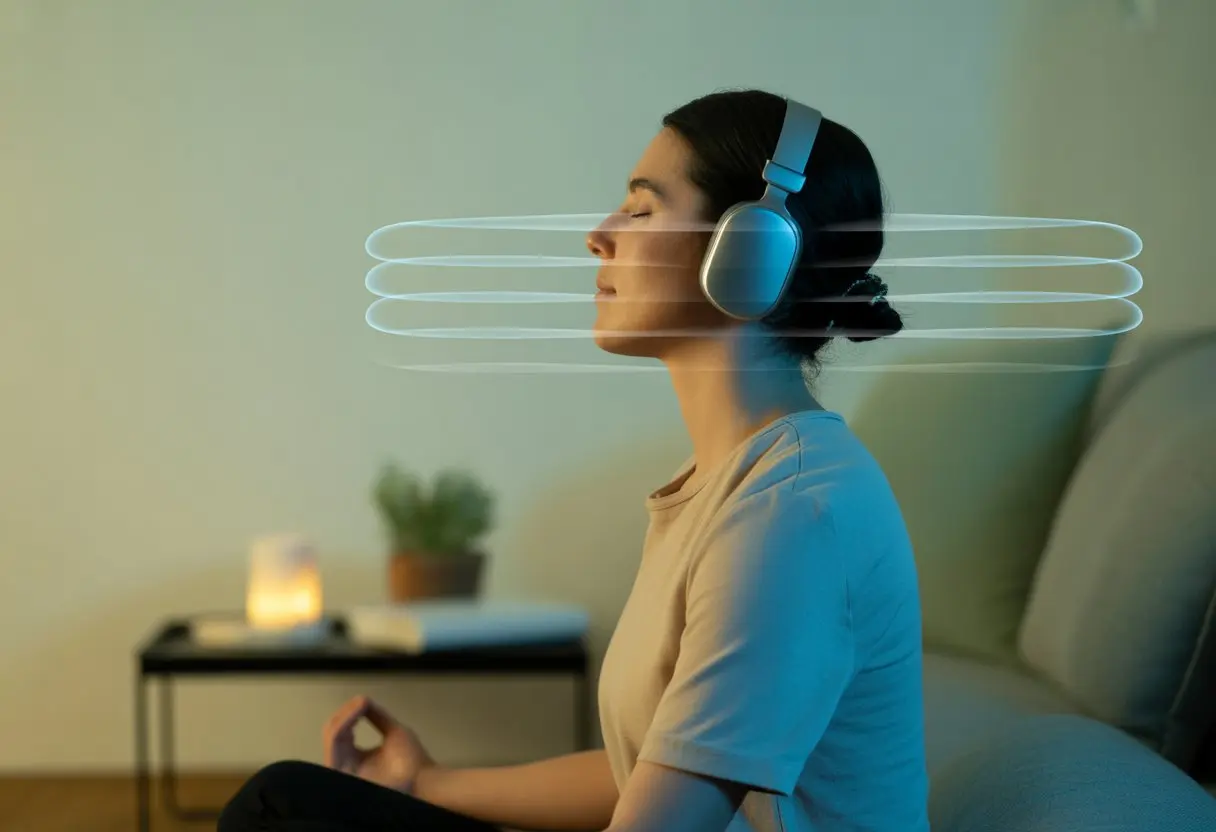
Whether you’re stuck with noisy roommates or the relentless whir of lawnmowers, good headphones make finding inner peace way easier. Using Bluetooth headphones for meditation isn’t just doable—it can actually help you relax anywhere, anytime.
Ever wondered if headphones help or hurt your zen? Or if wireless tech can actually make meditation better? I’ve been there, so let’s talk about it.
We all want meditation time without tangled cords or outside chaos. These little gadgets just might help you carve out a pocket of calm right in the middle of your busy day.
Choosing the Right Bluetooth Headphones for Meditation
Finding the best Bluetooth headphones for meditation isn’t just about grabbing the first pair you see. You’ll want to think about comfort, fit, and which style actually keeps you calm and focused—no matter how you like to meditate.
Factors to Consider: Comfort, Fit, and Style
If your headphones clamp down like a vise or slip off every time you move, your “zen” will disappear faster than Monday motivation. Look for headphones with soft ear pads, an adjustable headband, or flexible earbuds.
Lightweight designs can help you avoid headaches or sore ears. Don’t forget—everyone’s head is a bit different.
Over-ear headphones might feel cozy, but they can get hot. Earbuds are light and portable, but they fall out if you nod off mid-meditation (which, honestly, happens sometimes).
Style isn’t just about looks (though hey, who doesn’t want to feel cool on the couch?). Sleep headphones, like Philips Sleep models, work especially well for side sleepers.
The right pair should feel so comfy you forget you’re wearing them—which is exactly what you want when meditating.
Selecting Headphones for Specific Meditation Activities
Let’s face it, we meditate in some pretty creative positions: cross-legged, lying flat, or even balancing like a flamingo. The type of meditation you love should help guide your headphone choice.
Gentle, sitting meditations? Over-ear Bluetooth headphones are a solid pick. They block out noise and wrap your ears like a pillow.
Walking meditations call for true wireless earbuds. No cords to trip over when you’re deep in thought, staring at a bug instead of the sidewalk.
If you love guided meditations that send you straight to sleep, sleep headphones are a game-changer—especially for side or light sleepers. Devices like Philips Sleep headphones are thin, low-profile, and don’t budge if you toss and turn.
Comparing Earbuds, Over-Ear, and Sleep Headphones
Let’s break it down:
Type
Best For
Pros
Cons
Earbuds
Walking, travel, light meditations
Small, portable, fits most ears
Can fall out, battery life varies
Over-Ear
Sitting, noisy places
Great sound, noise isolation
Bulky, may get warm or sweaty
Sleep Headphones
Sleeping, side sleeping, deep relaxation
Flat, comfy for lying down
Less sound isolation, not for everyone
Earbuds are great for short meditations or if you want something barely there. Over-ear models, like the Sony WH-1000XM4, cover your ears and block out distractions.
If you tend to doze off, sleep headphones (like those from Philips) are soft and thin, so you won’t wake up with a weird ear imprint.
Whatever style you pick, make sure it’s comfortable and stays put. Your headphones shouldn’t budge, whether you’re perfectly still or a little fidgety.
Setting Up Bluetooth Headphones for Your Zen
Honestly, nothing ruins a meditation faster than tech headaches. With a few easy steps, you can get those Bluetooth headphones working and keep your zen intact.
Pairing Bluetooth Headphones with Your Devices
Start by connecting your headphones to your phone, tablet, or computer. Most Bluetooth headphones enter pairing mode when you press and hold the power or multifunction button for a few seconds.
Some models need you to hold the button for five seconds until the LED flashes red and blue. That means you’re in pairing mode.
For earbuds, you might need to long-press the charging case button and watch for a flashing green light if your earbuds are inside. If you’re lost, check Creative’s official guide.
Once you’re in pairing mode, open your device’s Bluetooth settings and select your headphones from the list. When they connect, you’ll probably hear a chime or see the light stop flashing.
And if you accidentally connect to your neighbor’s smart fridge…just try again. It happens.
Optimizing Battery Life and Charging Tips
Nobody wants their headphones dying halfway through meditation. To keep battery life healthy, try these tips:
Charge fully before use. Quick charges work in a pinch, but a full battery means no “low battery” beeps in the middle of your calmest moment.
Turn off when not needed. Some headphones power off automatically, but sometimes it’s on you. Hold the power button to shut them down.
Store in the case. Wireless earbuds charge and stay safe in their case.
Most devices show headphone battery levels in Bluetooth settings. If anyone asks how you stay so chill, tell them it’s because you never worry about dead headphones.
Adjusting Settings for Supreme Sound
Once you’re connected and charged, it’s time to tweak the sound. Modern Bluetooth headphones often offer adjustable EQ settings, either on the headphones or through an app.
Cut out extra bass and treble for nature sounds or guided meditations. If your headphones have active noise cancellation, flip it on—it’s like giving your ears a personal soundproof room.
Set the volume just right. You want to hear your meditation guide, not the honking outside. Too loud, and you’ll be jumpy. Too quiet, and you’ll wonder if you even pressed play. Aim for balance—kind of like a yoga pose.
Finding Your Perfect Meditation Audio
There are a ton of ways to find calm with Bluetooth headphones, but picking the right meditation audio really matters. The sounds you choose—whether it’s a gentle voice, ocean waves, or your favorite chill song—can totally change your session.
Choosing Guided Meditation, Music, or Natural Sounds
With meditation audio, options feel endless. If you’re just starting out or your mind wanders after thirty seconds, guided meditations are a lifesaver.
A soothing voice tells you when to breathe, where to focus, and reminds you to ignore that itch you suddenly notice. Guided meditations come in every style and length, so you’ll find one that fits.
If you’d rather skip the talking, calming music can smooth out a busy brain. Go for tracks without lyrics—voices can distract, unless you secretly love singing along (no shame).
Nature sounds like rain or waves are a classic. They help you mentally escape to a beach or forest, even if you’re stuck in traffic. There are plenty of music and natural sound lists for meditation, and you don’t need to be an expert to enjoy them.
Exploring Podcasts, Audiobooks, and Relaxing Videos
Some of us get restless or need a bit more variety. Podcasts offer meditative talks, mindful stories, or daily mental health tips.
You can find shows that match your mood—some focus on breathing, others on short mindfulness breaks to help you survive the day. Audiobooks aren’t just for road trips.
Some are designed for meditation, with relaxing stories or quotes that nudge your mind toward calm. With Bluetooth headphones, you don’t have to wake up anyone snoring next to you.
Relaxing videos take things up a notch. You probably won’t want to keep your eyes open during meditation, but these videos can set the mood before you close them, with visuals and soundscapes that turn your living room into a zen garden. There are tons of channels online, so you can always find something new.
Customizing Meditation Audio Playlists
Building your own meditation playlist is kind of like packing a lunch—except you’re picking moments of sanity instead of snacks. Mix guided meditations for mornings, calming music for afternoons, and nature sounds at bedtime. Save it all in one playlist on your favorite app.
Here’s a simple way to organize:
Time of Day
Audio Type
Example
Morning
Guided Meditation
Focus or gratitude tracks
Afternoon
Instrumental Music
Soft piano, ambient beats
Evening
Nature Sounds
Ocean, rain, or forest
Streaming platforms like Spotify and YouTube let you save favorites and download for offline listening. Some headphones for meditation even boost the calming details in your audio.
Curating playlists means you skip what doesn’t work and stick with what relaxes you fast—no scrolling for the “right” track when your brain needs peace.
Integrating Headphones Into Meditation Activities
Bluetooth headphones can totally change your meditation game. They block out distractions, help you focus, and let you enjoy peaceful silence, clear guided sessions, or custom timers—without any wires in your way.
Using Headphones for Unstructured Meditation
Unstructured meditation really just leaves us alone with our thoughts. Sometimes, slipping on Bluetooth headphones and hitting play on some white noise or a gentle soundscape changes everything.
We can block out the neighbor’s lawn mower, the barking dog down the street, or whatever else tries to crash our zen party. It’s a relief, honestly.
Even if we’re not listening to a guided session, it’s fine to get a little help. Headphones let us stream peaceful sounds at a comfy volume.
Some meditation earbuds hug our ears so well, we might forget we’re even wearing them. Just don’t jump up looking for your glasses and knock them off—been there.
Headphones like these block out distractions, but we shouldn’t turn them up too loud. Staying aware of our surroundings keeps us from meditating straight into a wall, which is good for both our noses and our pride.
If you’re curious, there are headphones made just for comfort and focus, like meditation earbuds.
Enhancing Focus During Guided Sessions
Guided sessions get a serious boost with wireless headphones. Nobody wants their meditation interrupted by static or that random notification ping—unless enlightenment pops up in app alerts, but I doubt it.
Bluetooth headphones help us catch every calming instruction, breathing cue, and bit of background music. We stay locked in on the session leader, not distracted by whatever’s happening outside.
If our headphones have noise-cancelling features, even better. Pairing the right headphones with our favorite app makes a difference.
Many headphones for meditation offer clear, balanced sound, so we don’t miss a single relaxing “om.” We start to notice even those tiny shifts in tone or soft chimes that guide our practice.
Timing Your Custom Meditation with Activity and Countdown Timers
We usually want meditation to fit neatly into our day. Timers are a lifesaver here.
With Bluetooth headphones, activity and countdown timers keep us from losing track of time and accidentally sitting on the floor for two hours. An activity timer lets us know when it’s time to move on or switch techniques.
Some meditation apps and headphones work with instructor software or class scheduling tools. For group meditations or solo sessions, these tools save us from drifting off schedule.
A countdown timer is simple: set the time, press start, and stop worrying about how long we’ve been sitting. When the session ends, some silent disco headphones quietly alert us—no jump scares.
Integrating these timers with our headphones gives us a smooth, distraction-free meditation every time.
Maximizing Comfort and Focus
Finding the right balance between relaxation and focus can make meditation genuinely enjoyable. A comfy set of Bluetooth headphones, a decent sitting position, and clear intentions help us get the most out of it.
Wearing Headphones Without Distracting Your Zen
Let’s be honest—nobody wants to meditate with headphones pinching their ears or sliding off halfway through. When picking headphones, look for soft, cushioned ear pads and an adjustable headband.
Over-ear headphones give our ears plenty of room and keep things cozy. If we sweat like we’re running a marathon during sitting meditation, breathable materials are a must.
Lightweight designs also help prevent that “I have a helmet on” feeling. Checking the fit before we meditate is key: if they’re too loose, sound leaks, and if they’re too tight, we might end up meditating on headaches instead of inner peace.
Noise-canceling headphones seriously block out barking dogs and laundry noises, helping us stay focused.
Here are a few must-haves for meditation headphones:
Feature
Why It Matters
Cushioned Earpads
Comfort during long sessions
Adjustable Fit
Prevents slipping or pressure
Breathable Design
Keeps ears cool
Noise-Cancelling
Blocks distracting sounds
Dealing with Light or Side Sleeper Issues
Some of us are light sleepers or side sleepers who like to meditate before bed. Bulky headphones can be a disaster if you’re lying down.
For these moments, low-profile Bluetooth earbuds or soft headband-style headphones designed for sleeping are worth a look. Earbuds with a low profile let us rest on our side without awkward angles digging into our face.
If losing an earbud in the bedsheets keeps us up, headband headphones are a cozy option. They look like a sweatband but play relaxing sounds right into our ears.
For those who need complete silence to relax and get their heart rate down, noise-canceling options still work best. If we share a bed, keeping sound close to our ears means our meditation doesn’t turn into a group activity—unless everyone’s invited.
Quick comfort checklist:
Try lying down with your headphones before your session.
Make sure nothing pokes or pinches.
Go for wireless; cords don’t belong in bed.
Setting Your Intention for Meditation Sessions
Wearing fancy headphones doesn’t do much if we haven’t decided what we want out of meditation. Before we start, we should set a clear intention.
This helps guide our thoughts, whether we’re seeking relaxation, better focus, or just a short break from chaos. A great way to do this is by pausing for a moment before pressing play on our favorite guided meditation or soundscape.
We might say to ourselves, “Right now, my intention is to let go of stress,” or “I want to slow my heart rate and focus on my breath.” Stating the goal out loud or in our mind makes it easier to stay on track.
If distractions pop up (and they always do), we can gently bring the focus back to our intention. Our headphones are just a tool; the real magic is in our mindset.
Sometimes we even keep a small notebook nearby to jot down intentions or track what works for staying centered. A little planning goes a long way.
Minimizing Distractions with Noise Reduction Features
Anyone who’s tried to meditate near a barking dog or a humming fridge knows the struggle is real. Bluetooth headphones come packed with features that help us tune out the chaos and find our happy place a little easier.
Understanding Active Noise Cancellation vs. Noise Isolation
Let’s be real, the world isn’t getting any quieter. That’s why it helps to know our headphone tricks.
There are two types of noise reduction worth checking out: active noise cancellation (ANC) and noise isolation. Active noise cancellation uses tiny microphones built into our headphones.
These pick up sounds around us, and then the headphones play “reverse” sound waves to cancel them out. It’s like using science as an invisibility cloak for noise.
ANC works best at blocking out steady sounds, like air conditioning or street traffic. It might not totally stop sharp noises, like someone dropping a pan in the kitchen.
Noise isolation, also called passive noise reduction, is simpler. Our headphones use thick padding to physically block sounds from reaching our ears.
There’s no fancy technology, just a cushiony barrier between us and the outside world. While it doesn’t zap away noise as dramatically as ANC, it can still help—especially with higher-pitched sounds.
If we want a deep, undisturbed meditation session, pairing both ANC and noise isolation can work wonders. For more details on the differences and benefits, check out this detailed breakdown.
When to Activate Noise-Cancelling Mode
So, when’s the right moment to hit that magical noise-cancelling button? If you’re trying to meditate in a noisy café or your neighbor just fired up their lawnmower, that’s definitely the cue to unleash ANC.
Some headphones let you pick how much noise gets blocked. Maybe you want a gentle filter to stay a bit aware, or you need to crank things up to max and tune out the world. Bose and Sony, for example, really nail these choices.
If you’re at home and things are already pretty quiet, you probably don’t need ANC at all. Sometimes, just the soft cushion of your headphones does the trick for blocking outside sounds.
It’s honestly pretty handy to get headphones with an “aware” or transparency mode. That way, you can let the outside world in for a second—like when someone knocks or calls your name.
Curious about which headphones offer these noise reduction modes? Take a look here: headphones for meditation.
Whether you want to drown out everything or just take the edge off, using these features at the right moment makes meditating a whole lot calmer.
Hi, my name is Garrett Jones, and I am a tech enthusiast. I enjoy researching the new tech that has been released, and have a vast knowledge of the best tech to purchase.
From a young age, I have always had a big interest in technology, and this blog is an extension of that interest. Through this blog, I hope to provide others with all of the information they need regarding tech options to consider, and things such as compatibility. Some of the different items I will be discussing include headphones, smartwatches, and how to fix common issues.