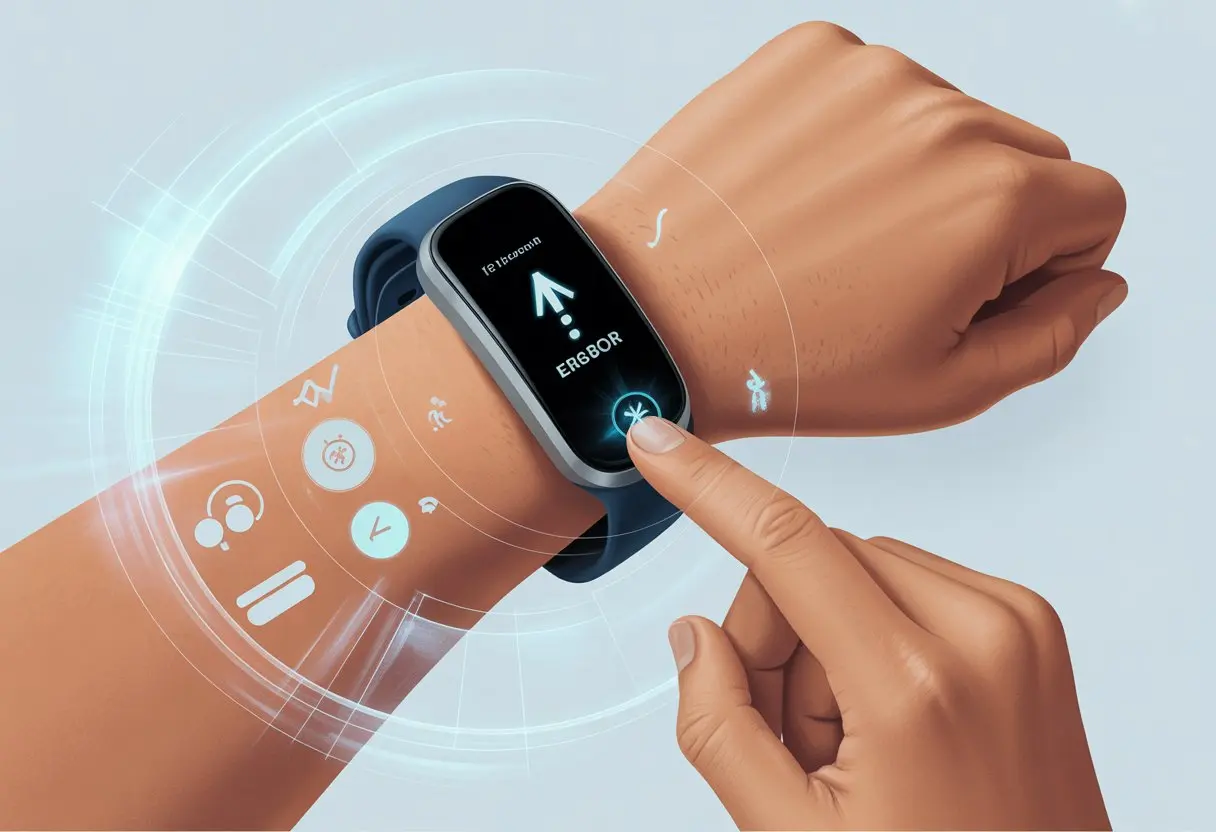
Ever had your fitness tracker flash “Error Code 20” at you just as you’re about to crush your step goal? That’s a mood killer—almost as bad as forgetting your sneakers at home.
Luckily, most Error Code 20 issues go away with a quick reset or a software update.
We’ve all stared at that blinking screen, wondering if our trusted tracker finally gave up. Before you toss it in the junk drawer with old chargers and mystery cables, let’s figure out what this error means and how we can get our trackers back in action.
Let’s walk (or jog?) through some fixes for Error Code 20 so we can get back to tracking our fitness goals—because no one else is going to do it for us.
Understanding Fitness Tracker Error Code 20
Is Error Code 20 ruining your daily step count celebration? You’re definitely not alone.
This section covers the main culprits, what happens when they hit, and why this error drives us absolutely bonkers. Maybe we’ll even laugh about it—eventually.
What Triggers Error Code 20?
Fitness trackers are supposed to handle our sweat, sprints, and snack breaks. But Error Code 20? That one pops up for a few classic reasons.
Data cable problems: Sometimes the cable connecting your tracker’s brain to its body wiggles loose or gets damaged. Devices like treadmills and gym machines love to throw Error Code 20 when this happens.
Power issues: Low battery, a sketchy charger, or plugging it in wrong can trigger this unwelcome surprise.
Software hiccups: Outdated apps, failed updates, or random glitches can make your tracker protest with Error Code 20.
On exercise equipment, like treadmills, code 20 often appears when there’s a sensor problem or the device reads power incorrectly—like too many power requests at low speed.
Common Symptoms Across Devices
Here’s what we usually see (and wish we didn’t):
Frozen screens: We tap, we swipe… nothing. It’s like arguing with a brick wall.
No step tracking: All those heroic attempts to beat yesterday’s record? Not counted.
Annoying pop-ups: Code 20 loves to display itself again and again.
Device won’t sync: The tracker and your phone just refuse to talk.
On treadmills and ellipticals, Code 20 might show up with belt errors or even a loud beep to make sure you notice. These symptoms help us narrow things down, but they also make us question our exercise choices.
Why This Error Is So Annoying
Honestly, Error Code 20 could win “Most Likely to Spoil a Workout.” It always seems to show up when we need our tracker the most.
You gear up for a new run record, and suddenly your device freezes in protest. It’s stubborn, too. Restarting or plugging it in again doesn’t always work.
Sometimes we have to call support and explain why we’re arguing with tiny electronics. Its timing? Suspicious. It loves to crash the party right before we close our step goals or start a hard set.
Plus, the vague symptoms waste our precious cardio time tinkering instead of actually moving.
Step-By-Step Fixes for Error Code 20
Error code 20 on a fitness tracker is annoying, but it doesn’t mean your running dreams are over.
With a little patience and the right steps, you can get back to counting steps instead of error messages.
Quick Troubleshooting Checklist
Let’s be honest, we all wish turning something off and on would fix everything. Sometimes, it actually does! Here’s a quick checklist before you panic:
Check if the tracker is fully charged. Low battery is a sneaky culprit.
Make sure the tracker is snug but comfy. Too loose or too tight can mess with sensors.
Restart the tracker. Hold the power button for 10 seconds, or check the manual for restart steps.
Update the software. Outdated firmware is like running with old shoes—unnecessary problems. Check the app for updates.
Check for moisture or dirt. Sweat is great for us, not so much for electronics.
If your running data from the last session looks weird or is missing, don’t freak out. Following this checklist, as suggested by fitness equipment support guides, usually sorts things out fast.
Resetting Your Fitness Tracker Without Losing Your Cool
If Error Code 20 still won’t budge, it might be time for the dreaded reset. Don’t panic yet! Most trackers let you reset settings without erasing your activity data.
Usually, you’ll find “Settings” or “System” in your tracker’s menu. Look for a “Reset” or “Restart” option. This usually won’t wipe your running records, but it’s smart to double-check the manual first.
A factory reset is the last resort. Back up your data or sync the tracker to the app before you hit yes. If the tracker keeps flashing error code 20 after a reset, you might have a hardware issue—maybe a busted sensor from that epic fall last jog.
At that point, reaching out to support or checking the manufacturer’s common error code solutions is probably your best bet.
Advanced Solutions for Persistent Error Code 20
Sometimes, error code 20 just laughs at your basic troubleshooting. Time to roll up your sleeves, channel your inner tech wizard, and get a little more serious (or silly) about fixing the problem.
Inspecting and Replacing Cables and Boards
Start by giving your cables and circuit boards a good look. Turn off the device and unplug it first—unless you like surprise sparks with your workout.
Grab a flashlight and check for frayed wires, bent pins, or scorch marks. If you find a sketchy cable, swap it for a new one made for your model.
For the brave (and warranty-forgetters), open the case and check the circuit board for obvious damage. Anything loose or wobbly? Wiggle it gently—just don’t break it, unless you want another project.
How to Perform a Factory Reset (Without Breaking Anything)
If poking wires isn’t your thing, a factory reset might scare error code 20 away. Back up your data first—no one wants to lose proof of almost hitting their step goal last Thursday.
Find the reset option in your device’s settings. The steps depend on your tracker’s brand, but usually, it’s a curious combo of button presses and hope.
Hold down the main and side buttons for about 10 seconds, and wait for the logo or a confirmation screen. After the reset, the tracker should clear out corrupted files and forget its error code tantrum.
You’ll need to set up your profiles again, but hey, it’s a chance to fudge your age and weight (again). If Error 20 sticks around, it’s probably time to call tech support—or accept that maybe your device just wants a break.
Avoiding Future Error Code 20 Disasters
We all want our trackers to work smoothly, not throw strange errors when our step count finally looks impressive.
Simple care and smart updates can save us a lot of headaches. Regular maintenance and making sure our tech isn’t stuck in the past are secret weapons here.
Top Maintenance Tips for Fitness Trackers
Let’s be real: sometimes we treat our trackers like they’re indestructible. But if we want to dodge another Error Code 20, it’s time to show some love.
Keep it clean: Sweat, dust, and crumbs from that third protein bar can block sensors. Wipe down the tracker and charging contacts each week.
Check the battery: Charge it often and don’t let it drain completely. The device will thank you.
Secure the fit: Too loose or too tight can trigger errors or mess up readings.
Avoid water damage: Even if it says “water-resistant,” don’t wear it in the shower or pool for too long.
Restart regularly: Turning it off and on every few days can stop tiny issues from piling up.
If something still seems off, reaching out for fit tech support early is way less painful than smashing the device out of frustration.
Keeping Firmware and Apps Updated
We might dream of simpler days, but our trackers sure don’t. They hate outdated software almost as much as we hate early morning workouts.
Enable automatic updates: Most trackers and their apps offer this—use it so you don’t forget.
Check for updates monthly: Even with auto-updates, things can slip through. Open the app, tap settings, and look for “update firmware.”
Read the release notes: Sometimes new versions squash bugs like Error 20 or add features we might actually use.
Keep the phone app fresh: The tracker’s app is its lifeline. An old app talking to a new tracker can cause weird problems.
Backup your data: Firmware updates can sometimes erase stuff, so syncing first saves tears.
If a weird error sticks around even after updating, check out the company’s troubleshooting guide. And it never hurts to have customer support’s number ready—just in case.
When to Summon Support (or an Exorcist)
https://www.youtube.com/watch?v=lhA1Q8Csldw
Sometimes, no matter how many buttons we press, how often we turn things off and on, or how hard we pretend we’re tech geniuses, fitness trackers just refuse to play nice.
Error code 20 can turn from a tiny nuisance into a full-blown test of patience before you even know it.
How to Contact Manufacturer Support Without Losing Your Mind
Let’s be honest—calling support can feel like getting sucked into a time warp. If you want to dodge endless hold music, start by tracking down the manufacturer’s support info.
You’ll usually find it in the manual, on their website, or buried in their app under Help or Support.
Before you reach out, grab your device’s model number, purchase date, and proof of purchase. It saves everyone time and spares you from repeating yourself a dozen times.
Most support sites offer live chat or email forms. I usually try those first—typing feels way less painful than talking to a robot voice that sounds way too chipper.
Check if there’s a common error guide on their help page. It might just save you a call.
If things get really bad, some companies let you request a callback. That way, you don’t have to glue your phone to your ear while you wait.
What to Say When Reporting Error Code 20
Once you finally get someone on the line, it’s all about being clear. Start with, “I’m getting error code 20.”
Then, describe what happened right before the error popped up. Which steps did you take? Which buttons did you press? What did the screen look like?
Here’s a quick checklist to make the call smoother:
Device brand and model
Problem description (“Error code 20 appeared after syncing the device”)
What you’ve already tried (like restarting or checking connections)
Whether it keeps happening or was a one-time thing
Serial numbers or firmware versions, if they ask
Keep it short and specific. Support agents handle tons of “my thingy broke” calls every day, so giving them the details about error code 20 helps everyone move faster.
Sometimes they’ll walk you through a fix. Other times, they’ll set up a repair or just say, “Yeah, you need a new one.”
Special Considerations for RVs, Traffic, and Running Workouts
If you’re tracking workouts on the move, things can get messy fast. RV life, traffic jams, and running routines all bring their own weird challenges for error code 20 and keeping your tracker happy.
Using Fitness Trackers in RVs—Yes, It’s a Thing
Who says you can’t get a digital high-five for squeezing in a workout in your rolling home? Fitness trackers actually work in RVs, but all that vibration, metal everywhere, and random Wi-Fi signals can scramble your data faster than you scramble eggs.
If you’re parked and trying to do crunches between the dining table and the driver’s seat, expect your tracker to misread those shaky steps or wild arm swings as some kind of questionable cardio session.
Picking a spot outside usually helps. Still, most trackers do okay indoors, but I always double-check before bragging about my step count at the next campground.
Here’s a quick look at where RVs can mess things up:
Rv Issue
Why It Matters
Metal Walls
Interfere with GPS/Bluetooth
Constant Vibe
Messes with step counting
Limited Space
Odd workout moves = tracker bugs
Mixing gadgets with RV life definitely keeps you guessing—sometimes literally on your toes.
How Traffic and Location Can Cause Tracking Glitches
Traffic gives us plenty of time to question our life choices, but it’s terrible for fitness trackers. If you’re stuck in stop-and-go traffic, the tracker might count every brake tap as a brisk walk.
Busy city streets mess with GPS, too. Tall buildings, tunnels, or bouncing through giant potholes can make your tracker lose signal or jump locations.
One minute you’re jogging along a path, the next your tracker claims you’ve teleported two blocks over—if only, right?
If you use a tracker while driving an RV or riding as a passenger, try switching to “driving mode” (if it’s there) so every bump doesn’t count as a marathon. For running, I stick to open areas away from traffic to avoid GPS headaches and keep my data clean.
Nothing kicks off a run quite like seeing “error code 20” blinking at you right before you hit the road. For runners, this code usually shows up when the tracker can’t find GPS, loses its connection, or just gets thrown off by some wild arm swings—hey, we’re not judging your style.
If you’re running through dense neighborhoods or under power lines, your GPS signal might struggle. Hanging out near a big, shiny RV? All that metal can really mess with the device, making it wonder if you’re running laps or just hiding from chores again.
Here’s what usually helps:
Stand still outside before you start so your tracker can grab a GPS lock.
Make sure your device firmware stays updated.
If error code 20 pops up mid-run, just pause for a bit in an open area.
Running by highways or zigzagging through RV parks isn’t exactly a recipe for perfect tracking, but honestly, those little hiccups add a bit of personality to both us and our trackers. Want ideas for staying active in tight spaces—even if you’re dodging the kitchen table? Give these RV-friendly routines a look.
Hi, my name is Garrett Jones, and I am a tech enthusiast. I enjoy researching the new tech that has been released, and have a vast knowledge of the best tech to purchase.
From a young age, I have always had a big interest in technology, and this blog is an extension of that interest. Through this blog, I hope to provide others with all of the information they need regarding tech options to consider, and things such as compatibility. Some of the different items I will be discussing include headphones, smartwatches, and how to fix common issues.