Let’s be real—keeping up with a vegan diet sometimes feels like a full-time gig. We enjoy meal planning and squinting at ingredient labels, but wouldn’t it be nice if our wrists picked up some slack? Using a smartwatch for a vegan diet lets us track our nutrition, scan food labels, and set daily goals. That takes the stress out of healthy plant-based living (and honestly, makes it way more fun).
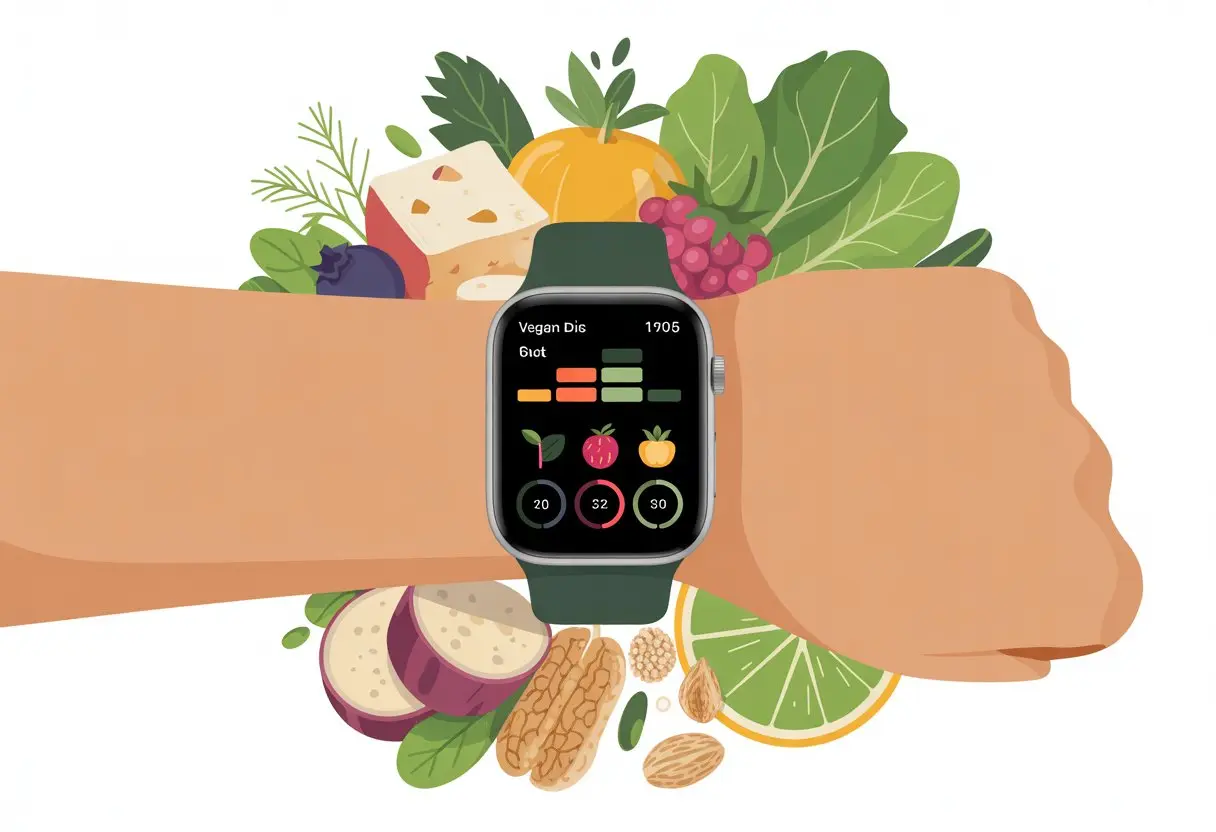
Smartwatches remind us to take our vitamins, help us build grocery lists, and log plant-based meals—even when we’re too busy admiring tofu sizzling in the pan.
If you’re worried about leather watchbands, don’t stress—vegan-friendly smartwatches exist.
We spend less time stressing over nutrition and more time enjoying our food. No spreadsheets required!
So buckle up (with a cruelty-free band, obviously). Let’s make our vegan journey smarter and a whole lot more enjoyable.
Setting Up Your Smartwatch for a Plant-Based Lifestyle
Time to get our digital ducks in a row. Our smartwatch can help us remember what we ate, hit our nutrition targets, and avoid logging cheese fries as salad.
Let’s take our vegan journey from “Wait, was that dairy?” to “Check out my fiber intake!”
Pairing Your Device with Nutrition Apps
First things first, let’s connect our smartwatch to our favorite diet apps. Android users can pair with apps like MyNetDiary or Noom.
If your watch runs Wear OS 3, you might not even need the Wear OS app. That’s a small win.
iPhone folks, most diet apps have companion versions, but not every feature works on iOS watches. Open your phone, install your app of choice, and follow the steps to connect it to your watch.
Here’s a quick checklist:
- Install your diet app (MyNetDiary, Noom, etc.)
- Open it and look for ‘Connect to Device’ or ‘Settings’
- Pair the smartwatch with Bluetooth
- Approve permissions so your watch can see steps, calories, and other stats
Pretty soon, reminders to log that quinoa bowl will buzz right on your wrist.
Customizing Vegan Diet Goals
Once we’re connected, it’s time to make sure our app knows we’re all about plants. In MyNetDiary or Noom, we set our food preferences and select “vegan.” No more scrambled egg suggestions at breakfast.
Customizing nutrition goals matters. Here’s what we focus on:
| Nutrition Target | Why It Matters for Vegans |
|---|---|
| Protein | Beans and tofu, not steaks |
| Iron | Lentils, not liver |
| B12 | Look for fortified foods |
| Calcium | Leafy greens and plant milk |
Many apps let us track micronutrients, too. If our app lags behind, we can add foods manually or set custom daily targets.
The more specific our goals, the easier it is for our smartwatch to buzz if we forget our B12.
Syncing with Your Phone for Food Logging Tips
Let’s be honest—our memories aren’t perfect for food logging. Syncing our smartwatch and phone lets us add food from either device and see updates instantly.
Apps like MyNetDiary even have barcode scanners. We scan packages at the store or in the kitchen, and our watch or phone logs the nutrition info—no more guessing if that oat milk is fortified.
We get reminders, stats, and sometimes a gentle nudge if we’re slacking on iron. If we forget to log a meal, the app might even check in—just in case the tofu didn’t sit right.
Pairing and syncing makes vegan tracking smoother, giving us more time for our next meatless masterpiece.
Tracking Essential Nutrients on a Vegan Diet
When we rely on plants for energy, we need to make sure we’re not missing out on key nutrients. Smartwatches help us stay organized and keep our nutritional goals within reach.
No tofu bean left behind.
Monitoring Protein and Carbohydrate Intake
Honestly, the “vegans don’t get enough protein” jokes are tired. With a smartwatch and the right app, we can see if our meals pack enough protein or if we’re just eating air-fried air.
Most smartwatches sync with apps that break down our daily macronutrients.
Protein comes from beans, lentils, tofu, tempeh, and peas. Our gadgets track grams for us, so we don’t have to do math before breakfast.
Carbs aren’t the enemy—our brains love them! Tracking carbs on our watch helps us avoid the afternoon slump and check if we’re getting enough fiber.
We can set daily targets and check colorful graphs (because who doesn’t want a rainbow of nutrients?) to see if we’re on track.
It’s like being our own nutrition coach, but with more personality.
Keeping Tabs on Vitamins and Minerals
Vegan diets sometimes miss a few nutrients, and our ancestors probably didn’t have a smartwatch for vitamin B12. Lucky for us, we do!
Apps synced to our watch help us log foods rich in iron, calcium, and those tricky vitamins—like B12 and D.
Here’s what we keep an eye on:
- Iron: Lentils, spinach, and pumpkin seeds are our go-tos. Non-heme iron (from plants) absorbs better with vitamin C, so lemon water isn’t just for Instagram.
- Vitamin B12: Fortified cereal and nutritional yeast are solid choices. We track B12 to avoid zombie mode.
- Other vitamins & minerals: Potassium, zinc, and magnesium deserve a glance, too.
Some smartwatches nudge us if we’re missing the mark. We get reminders to grab a snack and keep our inner superhero powered up.
Using a Food Database Effectively
We don’t need to memorize every lentil’s nutrition label. Smartwatch apps sync with food databases like Cronometer so we can log meals faster than we can chop a carrot.
Scanning, searching, or adding custom foods makes meal tracking less of a chore and more of a game.
Most food databases break down our meals by nutrients, calories, vitamins, and minerals. We spot what’s missing, add more fiber, or double-check for sneaky added sugars in our oat milk.
With everything in one place, we get clear charts, friendly breakdowns, and plenty of info for bragging rights.
Tracking nutrients finally feels easier (and way less boring) than hunting through nutrition facts on our own.
Smart Notifications and Reminders for Vegan Living
Our smartwatches help us organize our vegan diets. Whether we need to eat the right foods, drink more water, or remember vitamins, smart notifications give us a gentle nudge at just the right moment.
Meal Planning and Prep Reminders
Nobody likes the 6 p.m. fridge panic, staring at a sad carrot and wilted spinach. Our smartwatch lets us set reminders for meal planning, grocery runs, and even veggie chopping.
A quick notification can remind us to prep chickpeas or soak cashews for that dreamy cashew cheese. Most smartwatches sync with to-do list apps, so our weekly meal plan is always close by.
We schedule alerts for lunch prep, keep tabs on snacks, and check off steps as we go. Suddenly, meal planning feels more like a team sport—just with less sweat.
Drink Water Like a Plant (But Not Too Much)
Plants need water, and so do we—sadly, tofu doesn’t hydrate us through osmosis. Our smartwatch can set regular hydration reminders, so we don’t turn into wilted kale.
Some watches track water intake, letting us log sips and get notified if we’re drying out. Too much water, though, and we’ll spend the day in the bathroom—so we customize those reminders.
Staying hydrated helps with digestion and energy. Timed sips keep us refreshed for our next plant-based adventure.
Never Forget Your B12 Supplement Again
Vitamin B12 is the classic vegan struggle, but our smartwatch has our back. We set daily or weekly supplement reminders right from our wrist.
Recurring notifications pop up at the exact moment we’re likely to forget—after brushing our teeth or before heading out the door. We can track dose history, so if someone asks, “Did you take your B12?” we actually know.
Every prompt helps us dodge B12 deficiency. Our smartwatch is the best supplement nag ever—and it’s always on time.
Leveraging Health Tracking Features for Weight and Wellness
Let’s admit it—we all want proof that skipping vegan cheese on nachos is worth it. With smartwatches, we see real numbers on our health, not just vague feelings.
These clever gadgets help us chase wellness goals and spot anything odd with our bodies (without eating fish, naturally).
Tracking Weight Loss Progress
Every time we hop on the scale, our smartwatch quietly cheers us on or nudges us to maybe skip that third bowl of hummus. Built-in apps let us log weight, track fat percentages, and see progress over weeks or months.
No more scribbling on cereal boxes—we get graphs. A sleek smartwatch keeps our weight loss goals visible and syncs with vegan diet apps.
Some digital health tools even help us lose more weight by keeping us on track with routines. We check our stats, set reminders, and sometimes even share progress for a little social motivation.
If you love a good chart, these features make healthy living surprisingly satisfying—almost like dessert, just better for your heart.
Monitoring Heart Health Metrics
We can check our heart rate anytime, thanks to the sensor hiding under that stylish wristband. For anyone curious about heart disease, this feels like a game changer.
Our smartwatch tracks heartbeats per minute, shows us the average, and warns us if things get a bit wild. Suddenly, we can know what our heart’s up to without much effort.
Key Heart Metrics to Watch:
| Metric | What It Tells Us |
|---|---|
| Resting Heart Rate | How relaxed our heart is |
| Heart Rate Variability | Stress and recovery balance |
| Peak Heart Rate | How hard our heart works during exercise |
No more awkward chest straps or finger pinches just to see if our heart’s happy. We can peek at our stats anytime, or even share them with the doctor—though maybe not while standing in the vegan ice cream aisle.
Managing Blood Pressure with Your Watch
Some smartwatches let us monitor blood pressure, which is honestly a huge win if we care about heart disease or just want to avoid feeling faint while chasing after the dog that stole our tofu. By checking regularly, we can spot trends, get alerts for unusual readings, and quickly share results with our doctor.
Steps to Monitor Blood Pressure:
- Sit still (honestly, it’s a perfect excuse for a break).
- Activate the measurement on the watch.
- Review and save results in the health app.
Wearable devices make health monitoring feel a lot more proactive, giving us more control over blood pressure and helping us notice how stress, salty foods, or exercise affect our numbers. With these tools, we don’t need to poke ourselves or go searching for a cuff.
Staying on Top of Diabetes and Stress
Smartwatches now track more than just steps—they monitor blood sugar trends with connected apps and help us spot signs of stress by looking at patterns in heart rate and activity. It’s honestly helpful, since stress can bump up blood sugar or trigger the urge to demolish a box of vegan cookies.
Reminders nudge us to move, meditate, or just breathe when life feels like a tofu scramble. Some devices let us log blood sugar levels so we can keep diabetes management sharp.
We can check weekly charts, see progress, and even get advice without setting foot in a clinic. With routine checks and those quirky reminders, we stay on track—and maybe laugh at ourselves when our stress spikes after spotting a spider in the bathroom.
Working with Dietitians Using Your Smartwatch Data
Smartwatch data helps registered dietitians understand our real habits and adjust vegan meal plans. When we share info like step counts and sleep, we get food advice that actually fits our lives.
Sharing Health Stats with Registered Dietitians
We’ve all been there: we tell our dietitian we think we walk a lot, then our smartwatch quietly tells the truth. Sharing accurate stats like heart rate, exercise, and even sleep quality lets dietitians see our real routines.
With smartwatch apps, we can export charts or health summaries. Some even let us email weekly logs or show our dietitian the stats right on our wrists.
Registered dietitians use this info to spot patterns (like too many snacks at night) and adjust our plant-based meals to fit our actual days. Smartwatches also collect stress levels, hydration reminders, or eating times, making appointments less about wild guesses and more about real data.
If we skip tracking, let’s be honest: the wrist never lies—unlike our memories.
Setting Achievable Plant-Based Targets Together
Our smartwatch isn’t just some flashy accessory—it’s basically a tiny coach on our wrist, rooting for us every time we eat another piece of broccoli.
When we share our step goals, exercise minutes, or even food logs, we get to work directly with dietitians to set vegan targets that actually make sense for us.
Having our activity and sleep stats right there makes setting plant-based nutrition goals feel way less overwhelming.
Let’s say we’re dragging through the day with low energy. The dietitian might spot that we’re only clocking five hours of sleep and suggest we eat more foods with iron or B12.
Or, if they see all those stairs we’re climbing, maybe they’ll nudge us to toss more lentils into our meals for a protein boost.
We can set daily or weekly goals—fiber, protein, or just how often we cook from scratch.
Honestly, keeping things realistic means we’re less likely to “reward” a salad with an entire vegan cake… unless, of course, we’re tracking those rewards too.

From a young age, I have always had a big interest in technology, and this blog is an extension of that interest. Through this blog, I hope to provide others with all of the information they need regarding tech options to consider, and things such as compatibility. Some of the different items I will be discussing include headphones, smartwatches, and how to fix common issues.
- How to Improve WHOOP Recovery Scores Without Giving Up Pizza or Netflix - April 7, 2026
- Why is my fitness tracker not unlocking my computer? Tech tantrums and wearable woes explained - April 7, 2026
- Best Fitness Trackers for Stress Relief: Because Your Anxiety Deserves a Step Counter Too - April 6, 2026
Related Posts: